
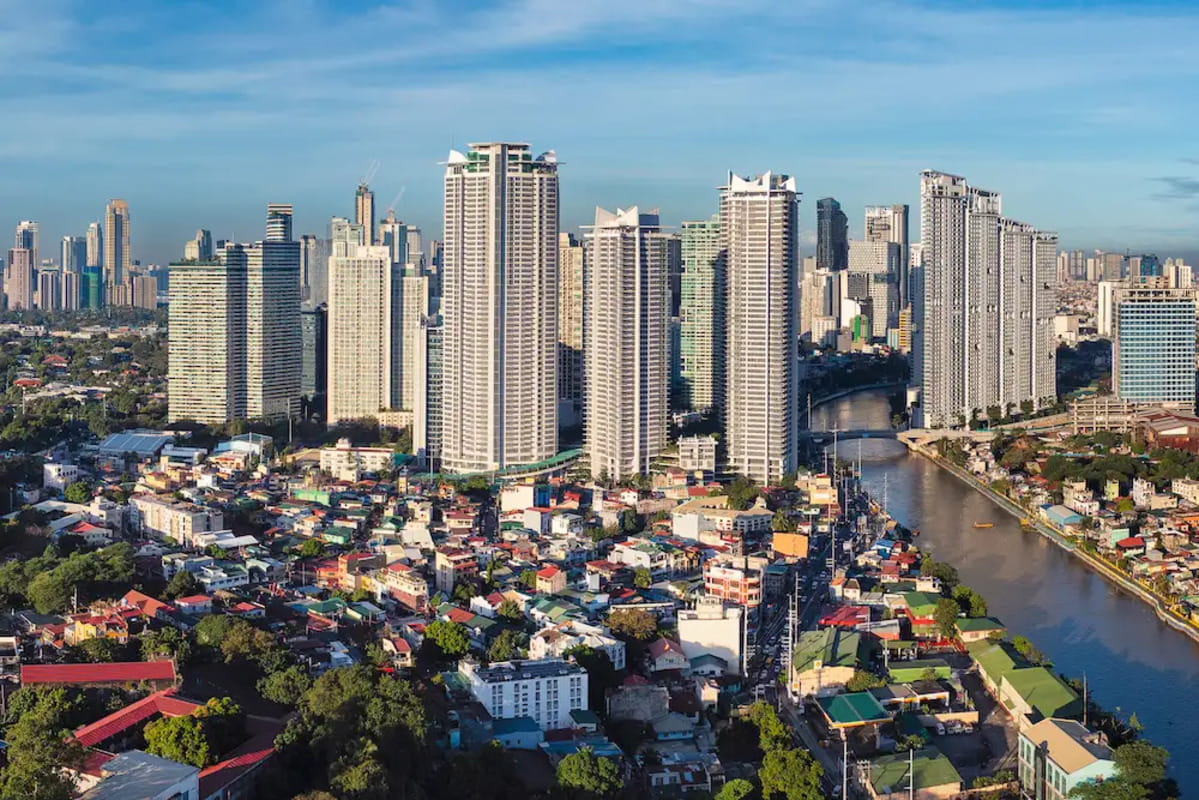
Amid chaotic streets and gleaming skyscrapers along Manila Bay lies a city concealing profound historical layers where Spanish fortifications stand beside colonial churches while the rhythm of modern metropolitan life intertwines with traditional Filipino hospitality. Once celebrated as the Pearl of the Orient this vibrant capital has endured colonial conquests devastating wars and natural calamities yet consistently risen from ashes through the indomitable spirit of its resilient inhabitants. Today we invite you to discover incredible facts about the Philippine capital where every corner narrates a story of cultural convergence from ancient Malay settlements through Spanish colonization to American influences. You might not have known how remarkably rich and complex this Asian metropolis truly is where the sacred seamlessly coexists with the secular and past generations whisper their stories alongside tomorrow’s promises.
- Manila was officially founded by Spanish conquistador Miguel López de Legazpi in 1571 though a Malay settlement called Maynilà had existed on this strategic location since the tenth century. The city’s name derives from the Tagalog word nilà referring to indigo dye extracted from plants that once grew abundantly along the Pasig River banks. Spanish colonizers selected this site for their Asian headquarters due to its exceptional position on Manila Bay providing direct access to vital maritime trade routes connecting Asia with the Americas and Europe.
- Intramuros the ancient walled city represents Manila’s historic core surrounded by massive stone fortifications seven meters high constructed by Spanish engineers during the sixteenth century. These remarkably preserved walls stand as the only complete Spanish colonial fortifications remaining in Asia having withstood centuries of earthquakes typhoons and military assaults. Within Intramuros visitors explore significant landmarks including Manila Cathedral Fort Santiago and numerous baroque churches that collectively form a UNESCO World Heritage tentative listing.
- Fort Santiago built in 1571 served as the primary military stronghold of Spanish authority and later became the prison where national hero José Rizal spent his final days before execution in 1896. Today the fort operates as a poignant museum where visitors view Rizal’s actual prison cell and read reproductions of his farewell poem Mi Último Adiós written secretly before his death. The fort’s grounds also contain memorials honoring thousands of Filipino and foreign civilians who perished during Japanese occupation in World War II.
- Manila ranks among the world’s most densely populated urban centers with central districts exceeding four thousand residents per square kilometer creating an extraordinary tapestry of human activity. Most inhabitants reside in barangays administrative neighborhoods often characterized by tightly packed communities where families live in modest dwellings constructed from corrugated metal and salvaged materials. Despite challenging living conditions Manileños maintain remarkable warmth generosity and an infectious joie de vivre finding celebration and community even amid urban complexity.
- The Pasig River flowing through Manila’s heart once served as the city’s vital commercial artery but deteriorated into one of Earth’s most polluted waterways by the late twentieth century due to industrial discharge and inadequate waste management. In 1999 the Philippine government launched an ambitious rehabilitation program that has gradually restored aquatic life and recreational potential to significant river sections. Today portions of the Pasig once again support fishing activities while riverboat tours offer tourists scenic perspectives of Manila’s evolving waterfront districts.
- Ninoy Aquino International Airport Manila’s primary aviation gateway handles over forty million passengers annually ranking among Southeast Asia’s busiest transportation hubs. The airport bears the name of Senator Benigno Ninoy Aquino Jr whose assassination on the tarmac in 1983 upon returning from exile ignited nationwide protests that ultimately toppled Ferdinand Marcos’s twenty-year dictatorship. This tragic event transformed Aquino into a martyr symbolizing democratic resistance and peaceful revolution throughout the Philippines.
- Manila suffered catastrophic destruction during World War II when the month-long Battle of Manila in 1945 reduced much of the city to rubble through intense artillery bombardment and street fighting. More than one hundred thousand civilians lost their lives during this devastating urban conflict while Intramuros sustained eighty percent structural damage erasing irreplaceable Spanish and American architectural heritage. Postwar reconstruction created a modern cityscape though many historians consider the loss of prewar Manila an incalculable cultural tragedy for Philippine identity.
- The University of Santo Tomás established in 1611 by Spanish Dominican friars holds distinction as Asia’s oldest existing university and the world’s third oldest continuously operating degree-granting institution after Oxford and Cambridge. During World War II the university campus became an internment site for over four thousand American and British civilians who remained imprisoned until American forces liberated Manila in 1945. Today UST maintains its historic campus in Sampaloc district while operating as a comprehensive university with more than thirty thousand students.
- Manila serves as the Philippines’ spiritual center where over ninety percent of residents practice Christianity predominantly Roman Catholicism creating a vibrant religious landscape. Each January millions of barefoot devotees participate in the Black Nazarene procession traversing city streets to touch a revered dark-skinned statue of Jesus believed to possess miraculous healing powers since its arrival from Mexico in 1606. This extraordinary event represents one of planet Earth’s largest annual religious gatherings drawing participants who demonstrate profound faith through physical endurance.
- The National Museum of the Philippines in Manila houses extraordinary collections spanning the archipelago’s rich history from prehistoric times through colonial periods to contemporary society. Among its priceless treasures is a spectacular gold death mask discovered in Palawan province revealing sophisticated metallurgical skills of ancient Filipino artisans long before European contact. The museum also preserves personal effects of national hero José Rizal including handwritten manuscripts that inspired Philippine independence movements.
- Manila occupies one of Earth’s most seismically active zones situated near the convergence of multiple tectonic plates including the Philippine Sea Plate which generates frequent earthquakes. The city also lies directly within the Pacific typhoon belt experiencing five to ten major tropical cyclones annually that bring torrential rains and destructive winds. Despite these persistent natural threats Manila has developed increasingly sophisticated early warning systems and disaster response protocols that have significantly reduced casualty rates during recent extreme weather events.
- Manila features the world’s most congested traffic intersection at the intersection of EDSA and Taft Avenue where over two hundred thousand vehicles navigate daily creating legendary gridlock conditions. Average vehicular speeds in Manila’s central business districts frequently drop below ten kilometers per hour even during non-peak hours transforming commutes into extended journeys. Government authorities are actively expanding rapid transit options including new metro lines and bus rapid transit corridors to alleviate this chronic transportation challenge.
- Manila stands as the Philippines’ culinary capital where Malay Chinese Spanish and American gastronomic traditions have blended over centuries creating uniquely Filipino flavors. Essential dishes to experience include adobo chicken braised in vinegar and soy sauce lechon whole roasted pig with crackling skin and pandesal soft sweet bread rolls enjoyed throughout the day. Street markets offer adventurous eaters balut fertilized duck embryo considered a protein-rich delicacy and cultural touchstone among locals.
- Rizal Park named for the national hero spans fifty-eight hectares making it the country’s largest urban green space and Manila’s civic heart. The park contains the National Planetarium Southeast Asia’s oldest astronomical facility along with an impressive bronze and granite monument honoring José Rizal’s legacy. Each evening thousands of residents gather here for leisurely strolls socializing dancing and community activities transforming the park into a vibrant living room for the city’s diverse population.
- Manila hosts the world’s oldest Chinatown Binondo established in 1594 when Spanish authorities designated this district for Catholic Chinese immigrants seeking refuge from persecution. Today Binondo remains the cultural and commercial center of Manila’s substantial Chinese-Filipino community featuring ornate temples authentic Cantonese restaurants and bustling markets selling traditional goods. During Chinese New Year the district erupts in spectacular celebrations with dragon dances fireworks displays and ceremonial rituals honoring ancestral traditions.
- The Cultural Center of the Philippines complex along Manila Bay showcases the nation’s performing arts heritage through multiple world-class venues including the iconic Tanghalang Pambansa theater. Designed by National Artist Leandro Locsin and completed in 1969 the main theater’s distinctive architecture resembles a floating Filipino salakot hat with its sweeping roof lines and reflective pools. This cultural institution hosts international productions alongside Filipino artistic expressions maintaining Manila’s position as Southeast Asia’s creative hub.
- Manila faces severe flooding challenges due to its low elevation proximity to Manila Bay intense monsoon rains and extensive urban development that has reduced natural water absorption capacity. During rainy season significant portions of the city regularly experience floodwaters reaching one meter deep on major thoroughfares disrupting transportation and daily life. Ongoing infrastructure projects including pumping stations elevated roadways and restored mangrove areas aim to mitigate these recurring flood events while climate change adaptation remains a critical urban planning priority.
These fascinating facts about Manila only partially reveal the profound depth and dynamic character of this extraordinary Asian capital where centuries of history resonate within contemporary urban rhythms. Every visitor to Manila carries away not merely photographs of landmarks but a deeper appreciation for human resilience and cultural continuity thriving amid complexity and change. Incredible facts about this remarkable city remind us that true urban vitality emerges not from architectural perfection alone but from the enduring spirit of communities that transform challenges into opportunities while honoring their heritage with pride and grace.


