
In the scorching expanse of the Horn of Africa lies a tiny nation whose strategic position makes it a genuine gateway to international maritime routes. Djibouti with its extreme climate unique natural wonders and complex ethnic mosaic remains one of Africa’s least known countries despite its global significance. Today we invite you to discover incredible facts about a land where salt lakes plunge below sea level and volcanic landscapes resemble the surface of other planets. You might not have known how extraordinary this corner of Earth truly is where even basic necessities like access to drinking water present genuine challenges for residents.
- Djibouti ranks among Africa’s smallest nations by area covering only twenty three thousand two hundred square kilometers making it smaller than many European regions. Despite its miniature size the country occupies an exceptionally strategic position at the junction of Africa and the Arabian Peninsula near the Bab el-Mandeb Strait. This narrow waterway serves as one of the world’s most critical maritime passages through which a substantial portion of global oil trade and commercial shipping must pass.
- Lake Assal situated in the country’s central region represents Africa’s lowest point resting one hundred fifty five meters below sea level. This remarkable lake also claims the third position globally for salinity after the Dead Sea and Lake Van with salt concentrations exceeding thirty five percent in its waters. Local inhabitants have harvested salt from the lake’s shores for centuries using it as a vital income source and trading commodity with neighboring regions across the Horn of Africa.
- The nation gained independence from France on June twentieth 1977 becoming one of the last African colonies to achieve sovereignty. Hassan Gouled Aptidon became Djibouti’s first president and maintained power until 1999 establishing an authoritarian political system that centralized control. Today the country formally operates as a multiparty democracy yet political power has remained concentrated within a single family for more than four decades creating ongoing governance challenges.
- Djibouti hosts the world’s highest concentration of foreign military bases per capita with installations operated by the United States France China Japan and Italy all situated within its compact territory. The American Camp Lemonnier facility stands as the largest permanent U.S. military base in Africa serving as a hub for counterterrorism operations throughout the region. China established its first overseas military base precisely in Djibouti in 2017 underscoring the nation’s strategic importance for controlling vital maritime shipping lanes.
- Djibouti’s climate ranks among the hottest and most arid on Earth with average annual temperatures exceeding thirty degrees Celsius throughout most of the country. The majority of Djibouti’s territory receives less than one hundred millimeters of rainfall annually qualifying it as one of the planet’s most parched landscapes. Even during the brief rainy season lasting merely several weeks precipitation often evaporates before reaching the ground due to the relentless intensity of the desert heat.
- Lake Abbe is renowned for its extraordinary limestone formations rising up to fifty meters high that create an otherworldly landscape reminiscent of Mars and gained international fame through appearances in the Planet of the Apes film series. Located on the border with Ethiopia this lake draws sustenance from geothermal hot springs and volcanic activity generating remarkable thermal fields around its perimeter. Local Afar people harvest mineral deposits from the lake to produce salt which they then transport via camel caravans to markets throughout Ethiopia maintaining ancient trade traditions.
- Djibouti’s population numbers approximately one million people and consists primarily of two major ethnic groups the Issa who comprise about sixty percent of inhabitants and the Afar who constitute roughly thirty five percent. These communities maintain distinct languages cultural practices and historical grievances that generate persistent political tension within the nation’s governance structures. The Issa maintain cultural connections with Somali traditions while the Afar share linguistic and ethnic ties with populations in Ethiopia and Eritrea.
- French and Arabic serve as Djibouti’s official languages yet most citizens communicate daily in either Somali or Afar languages which dominate street conversations and local commerce. French maintains prominence in government administration education and business sectors reflecting the country’s colonial heritage under French rule. Arabic functions primarily within religious contexts as the vast majority of Djiboutians practice Sunni Islam which shapes social customs and daily life rhythms.
- Djibouti’s economy depends almost entirely on port services transit operations and servicing foreign military bases creating significant vulnerability to global economic fluctuations. The nation possesses minimal natural resources beyond salt deposits and potential geothermal energy sources severely limiting opportunities for economic diversification. Despite its strategic location poverty remains widespread with youth unemployment reaching seventy percent presenting serious social challenges for future generations.
- Djibouti forms part of the Great African Rift System explaining the presence of numerous volcanoes hot springs and persistent seismic activity across its territory. The nation’s highest elevation is Mount Moussa Ali situated on the border with Eritrea rising two thousand meters above sea level offering rare cooler temperatures. The active Ardoukoba volcano in northern Djibouti last erupted in the nineteenth century yet remains under constant monitoring by volcanologists due to ongoing geothermal activity in the region.
- The country faces severe freshwater scarcity challenges as most rivers run dry seasonally and groundwater sources typically exhibit high mineral content rendering them undrinkable without treatment. Most potable water must be imported from Ethiopia or produced through expensive seawater desalination processes making clean water a costly commodity for ordinary citizens. This water shortage dramatically constrains agricultural development which contributes less than five percent to the nation’s gross domestic product.
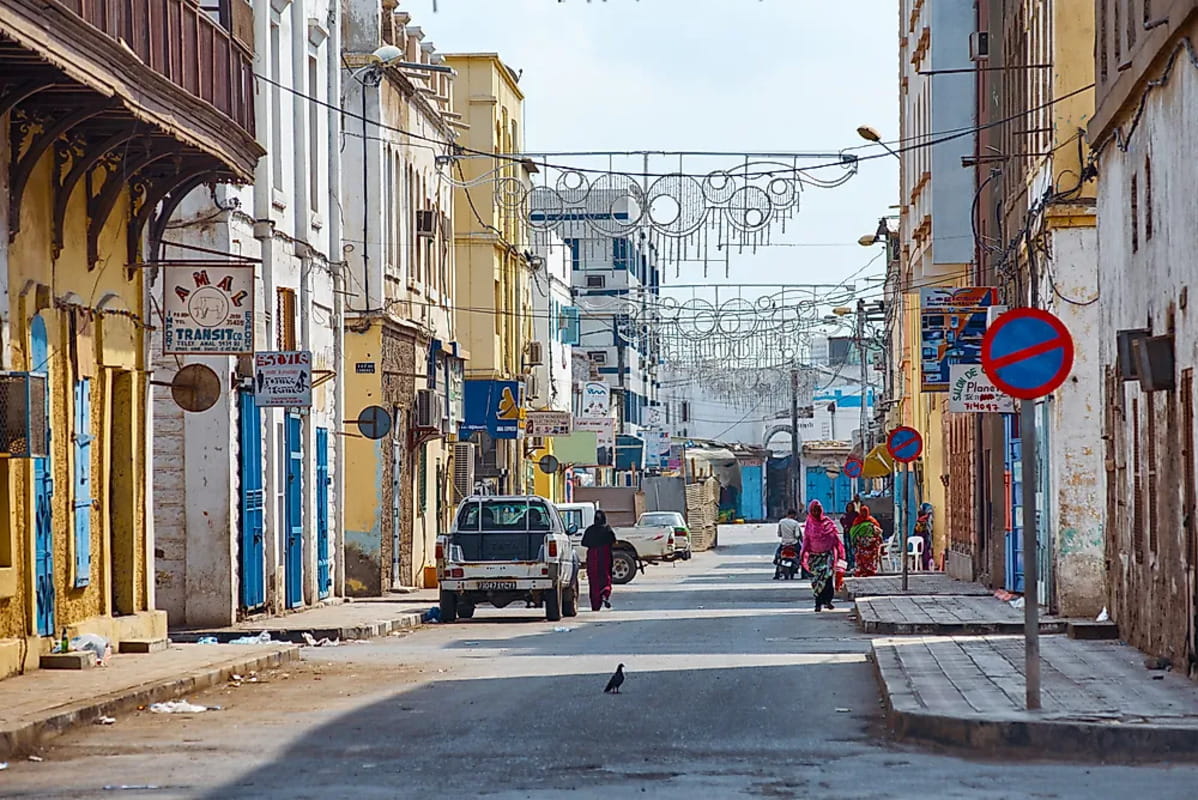
- The capital city Djibouti houses more than sixty percent of the entire national population making it one of Africa’s most urbanized countries despite its small overall size. Positioned along the Gulf of Tadjoura the city functions as a crucial seaport for landlocked neighbors particularly Ethiopia which depends heavily on Djibouti’s port facilities for international trade. The capital’s architecture blends French colonial buildings modern skyscrapers and vibrant traditional African markets creating a distinctive urban tapestry.
- Djibouti maintains membership in numerous international organizations including the United Nations African Union Arab League and Organisation of Islamic Cooperation reflecting its geopolitical significance beyond its modest size. The nation also participates in the Horn of Africa Initiative focused on resolving regional conflicts and enhancing cooperation against terrorism and piracy threats. Despite its diminutive territory Djibouti frequently serves as a mediator in disputes between neighboring countries leveraging its neutral position and diplomatic relationships.
- Djibouti’s flora and fauna remain limited due to extreme climatic conditions yet include several unique species adapted to survive in harsh desert environments. Wildlife sightings may include African wild dogs hyenas dorcas gazelles and rare red colobus monkeys inhabiting small mountain forest patches in elevated regions. The waters surrounding Djibouti serve as important migration corridors for whales dolphins and sea turtles particularly within the sheltered Gulf of Tadjoura which provides critical marine habitat.
- The nation actively develops infrastructure to support its role as a regional transit hub including port modernization construction of a railway line to Ethiopia and expansion of airport facilities. China has invested billions of dollars in Djiboutian infrastructure projects under its Belt and Road Initiative raising concerns among Western nations about expanding Chinese influence in this strategic location. These investments while stimulating economic growth simultaneously increase the country’s dependence on foreign capital and create complex debt sustainability questions.
These fascinating facts about Djibouti only partially reveal the complexity of this remarkable nation where geopolitical significance intertwines with extreme natural conditions. Each detail about Djibouti reminds us how even the smallest countries can play pivotal roles in global affairs through advantageous geographic positioning alone. Incredible facts about this resilient nation teach us respect for human adaptability in Earth’s most challenging environments while demonstrating how communities preserve cultural identity despite formidable natural obstacles.


