
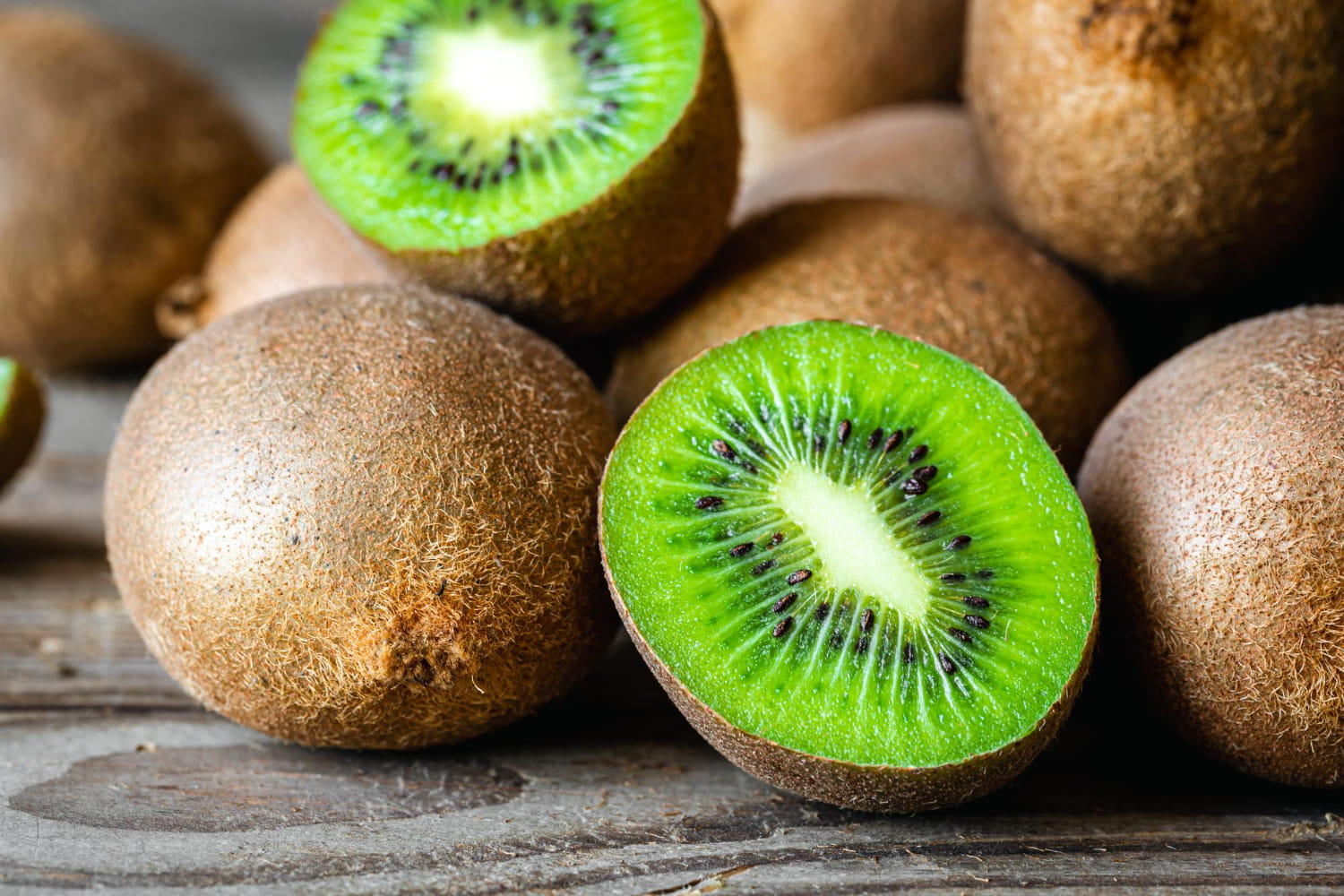
Beneath its unassuming brown fuzzy exterior lies a treasure trove of vitamins and antioxidants capable of transforming an ordinary breakfast into a powerful energy source for the entire day. This exotic fruit with New Zealand associations actually originates from China and only conquered global popularity in the twentieth century through its unique combination of tangy-sweet flavor and remarkable health properties. You might not know that kiwi is not technically a fruit in the botanical sense but rather a berry and possesses the fascinating ability to continue ripening after harvest. Amazing facts about this green wonder will reveal a world where every detail from flesh color to seed arrangement has scientific significance. Fascinating facts about kiwi will help you appreciate this accessible companion of healthy living with fresh perspective and deeper understanding.
- Kiwi was originally called Chinese gooseberry and originated in southwestern China where it had been cultivated for over two thousand years as a medicinal plant. Only in the early twentieth century did this fruit reach New Zealand where local farmers began its commercial cultivation and gave it the name kiwi after the national bird due to similarities in size and brown plumage. It was New Zealanders who transformed kiwi from an exotic curiosity into a global commercial product now grown in numerous countries worldwide.
- Botanically kiwi is classified as a berry because it develops from a single flower ovary and contains seeds embedded within its flesh. Kiwi fruits grow on woody vines that can reach lengths up to nine meters and require specialized trellising systems for support during fruiting seasons. Interestingly kiwi plants are dioecious meaning separate male and female plants must grow in proximity to enable successful pollination and fruit production.
- Kiwi contains twice the vitamin C of an orange making it one of the most concentrated natural sources of this essential nutrient. A single medium kiwi provides sufficient vitamin C to meet an adult’s entire daily requirement necessary for immune function skin health and iron absorption. Additionally kiwi delivers vitamins E K and B-complex along with minerals including potassium magnesium and copper creating a natural multivitamin powerhouse in every bite.
- Kiwi possesses a unique natural meat tenderizing ability thanks to the enzyme actinidin which breaks down proteins effectively. This explains why kiwi is frequently added to meat marinades especially for tougher cuts serving as a natural alternative to commercial tenderizers. However caution is advised as excessive kiwi application may transform meat into an unpleasant mushy texture due to overly aggressive protein breakdown.
- More than one hundred kiwi varieties exist including golden kiwi with yellow flesh and smooth skin which tastes sweeter than conventional green varieties. Golden kiwi offers milder acidity with tropical flavor notes reminiscent of passion fruit and mango while typically avoiding allergic reactions common with green kiwi consumption. Even more exotic is mini-kiwi about grape-sized which can be eaten skin and all and is gaining popularity among culinary enthusiasts worldwide.
- Kiwi helps improve sleep quality through its rich content of serotonin and the antioxidant luteolin which regulate the body’s circadian rhythms naturally. New Zealand research demonstrated that consuming two kiwis one hour before bedtime significantly reduces sleep onset time and increases duration of deep restorative sleep phases. This effect proves particularly beneficial for individuals suffering from insomnia or stress-related sleep disturbances.
- Kiwi skin contains three times more antioxidants than the flesh itself and can be safely consumed after thorough washing. Many people avoid eating the skin due to its fuzzy texture yet it provides valuable additional dietary fiber supporting digestive health significantly. Those sensitive to skin texture might prefer golden kiwi varieties featuring smooth skin without fuzz while delivering even sweeter flavor when consumed whole.
- Kiwi ranks among rare foods containing the natural enzyme actinidin which enhances the body’s protein digestion and absorption efficiency. This characteristic makes kiwi an ideal dessert following protein-rich meals as it promotes effective digestion and prevents uncomfortable stomach heaviness. Nutritionists often recommend eating kiwi after main courses particularly following meat dishes to optimize digestive processes naturally.
- Ripening kiwi requires simply placing it in a paper bag alongside an apple or banana since these fruits emit ethylene gas that accelerates the ripening process substantially. Firm green kiwis can reach perfect ripeness within just two to three days at room temperature conditions. When kiwi yields gently to finger pressure without being mushy it has achieved peak flavor intensity and maximum nutrient concentration.
- Kiwi traveled to space as part of International Space Station astronauts’ dietary provisions owing to its exceptional nutritional density and ability to maintain freshness without special storage requirements. Astronauts value kiwi not merely for vitamin content but also for mood enhancement properties through serotonin content particularly valuable during extended space missions. This fruit has become a meaningful symbol connecting terrestrial nature with space exploration technologies.
- In China kiwi is regarded as a symbol of health and longevity traditionally gifted during holidays especially for Lunar New Year celebrations. According to traditional Chinese medicine kiwi assists in detoxifying the body strengthening immune defenses and balancing vital Qi energy within the system. Cultural belief holds that regular kiwi consumption helps maintain youthful skin appearance and prevents premature aging through its abundant antioxidant compounds.
- Kiwi maintains a low glycemic index making it suitable for individuals with diabetes when consumed in moderation appropriately. This fruit helps stabilize blood sugar levels through the synergistic combination of dietary fiber and naturally occurring sugars that digest gradually within the system. Research indicates regular kiwi consumption may improve insulin sensitivity particularly beneficial for those with prediabetic conditions.
- China stands as the world’s largest kiwi producer generating more than fifty percent of global annual harvests consistently. Italy New Zealand and Chile serve as other major exporters ensuring year-round market availability through complementary growing seasons across northern and southern hemispheres. The United States particularly California has developed significant kiwi cultivation operations benefiting from favorable Mediterranean climate conditions.
- Kiwi contains the enzyme actinidin which may trigger allergic reactions in certain individuals especially those with latex allergies. This phenomenon known as latex-fruit syndrome relates to protein similarities between latex and several tropical fruits including kiwi. People experiencing this allergy should avoid kiwi consumption or consult medical professionals before introducing it into their diet.
- Optimal kiwi storage involves keeping firm fruits at room temperature until they soften then transferring to refrigerator where they maintain freshness for up to two weeks properly. Kiwis should never be stored alongside potatoes onions or garlic since these vegetables emit gases that accelerate fruit spoilage considerably. Frozen kiwi preserves most nutritional benefits effectively and works excellently in smoothies or frozen dessert preparations.
- Kiwi enhances iron absorption significantly through its high vitamin C content particularly important for individuals with low hemoglobin levels. Consuming kiwi alongside plant-based iron sources such as spinach or lentils dramatically increases bioavailability of this essential mineral. This characteristic makes kiwi especially valuable for vegetarians and vegans who frequently encounter iron deficiency challenges in their dietary patterns.
- Within New Zealand culture kiwi has become a national symbol frequently featured in tourism promotion and export branding representing the country’s natural purity and distinctive character. Consequently the New Zealand dollar is sometimes informally called the kiwi while New Zealanders themselves are affectionately termed Kiwis highlighting the deep connection between this fruit and national identity. Interestingly the actual kiwi bird which inspired the fruit’s name serves as New Zealand’s national emblem and appears on the country’s currency.
- Kiwi contains inositol a compound that helps regulate blood cholesterol levels and supports cardiovascular system health comprehensively. Regular kiwi consumption correlates with reduced heart disease risk through the combined action of antioxidants dietary fiber and potassium which collectively promote healthy blood pressure regulation. Studies demonstrate that eating two kiwis daily can reduce blood triglyceride levels by eighteen percent within just four weeks of consistent intake.
- Kiwi serves effectively as a natural gelatin substitute for preparing fruit jellies since the actinidin enzyme assists liquid thickening during cooling processes. Important caution applies however as kiwi should never be added to dairy-based desserts because the same enzyme causes milk proteins to curdle creating unpleasant texture in finished products. For kiwi jelly preparations fruit juices or water work best as foundational liquids.
- The sweetest kiwis typically display symmetrical shape without bruises or dark spots on the skin while yielding gently to touch without signs of overripeness. Aroma of perfectly ripe kiwi should be sweet with subtle tropical notes completely lacking sour or fermented characteristics that indicate spoilage has begun. When selecting kiwis remember slightly firm specimens can ripen successfully at home whereas overripe fruits rapidly deteriorate in both flavor and nutritional value.
- Kiwi provides more dietary fiber than apples making it an excellent choice for supporting digestive health and preventing constipation naturally. Regular kiwi consumption promotes healthy bowel function through the complementary action of both soluble and insoluble fiber types which facilitate formation of well-formed stool. Research confirms that eating two kiwis daily significantly improves bowel regularity particularly beneficial for individuals managing irritable bowel syndrome symptoms.
- In cosmetic applications kiwi extracts feature prominently in skincare product formulations owing to exceptional vitamin C concentration and antioxidant properties that combat free radical damage effectively. Homemade masks using kiwi flesh help brighten pigmentation spots even skin tone and impart healthy radiant glow visibly. Additionally kiwi enzymes provide gentle exfoliation removing dead skin cells to reveal smoother more supple complexion naturally.
These captivating facts merely begin to unveil the extraordinary nutritional richness and unique characteristics of ordinary kiwi deserving its place in every modern person’s dietary routine. Each kiwi fruit represents nature’s concentrated gift of vitality and wellness designed to support human resilience within our demanding contemporary world. We hope these remarkable revelations inspire you to incorporate this magnificent fruit into your daily nutrition and experience its multifaceted benefits through personal discovery and enjoyment.


