
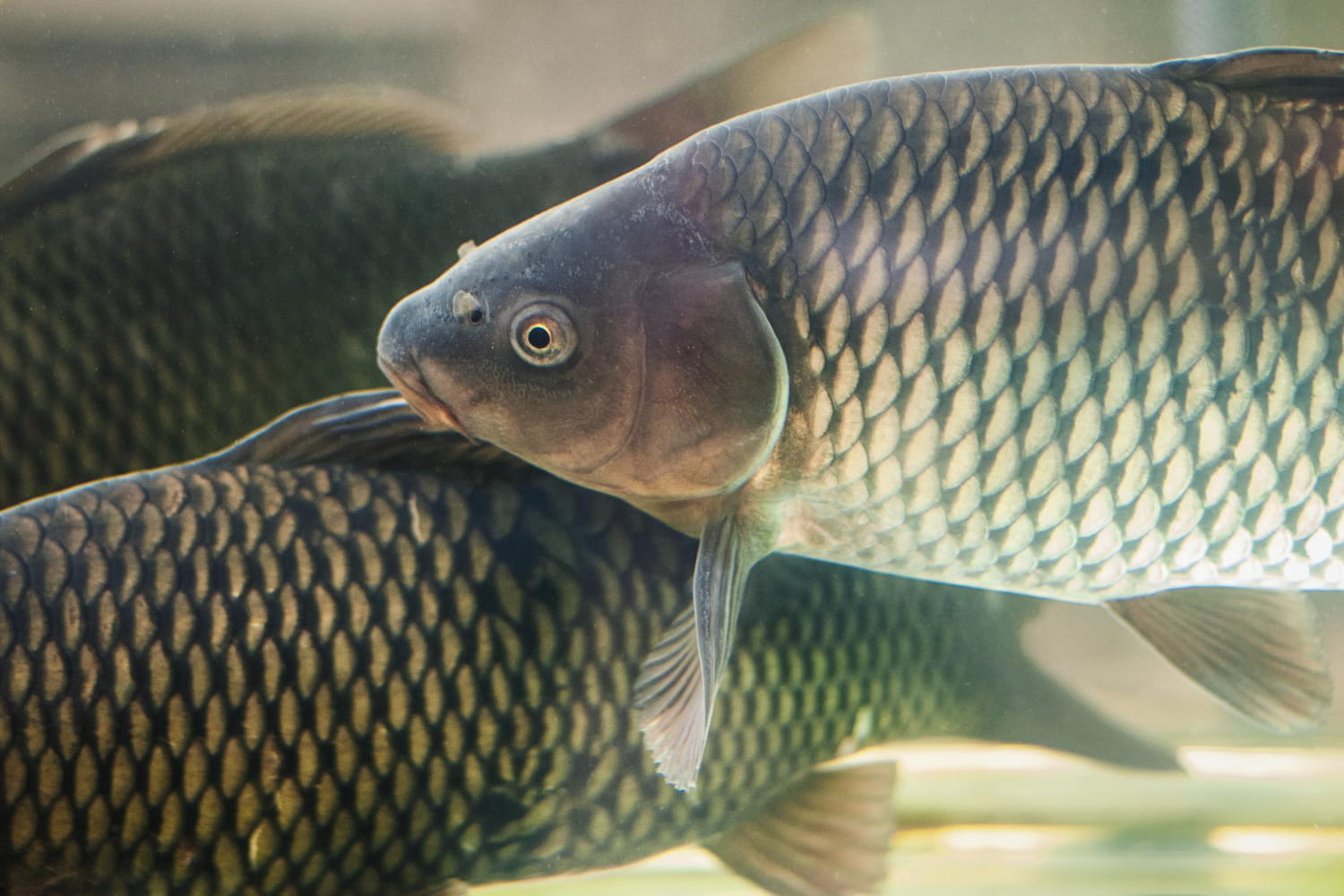
Carp rank among the most popular freshwater fish worldwide, accompanying humanity for centuries as targets of angling, aquaculture, and even cultural traditions across diverse civilizations. Incredible facts about these remarkable fish reveal their extraordinary adaptability to challenging environments and unique biological characteristics that set them apart from other species. You might not know that carp can survive conditions that would prove fatal to most other fish within mere hours, demonstrating resilience few aquatic creatures possess. Fascinating facts about carp transform this common fish into a true champion of survival within freshwater ecosystems across the globe.
- Carp belong to the Cyprinidae family and represent a domesticated form of wild common carp originally native to the Amu Darya river basin in Central Asia. Humans began deliberately cultivating carp over two thousand years ago in ancient China primarily to ensure reliable food supplies for growing populations. Europeans did not encounter carp until medieval times when monasteries introduced them for aquaculture purposes, after which they rapidly spread across the continent due to their hardiness. Today carp inhabit ponds, lakes, and rivers throughout Europe and Asia, becoming one of the most widespread freshwater fish species on Earth.
- Carp lack a true stomach, possessing instead a straight digestive tract running directly from mouth to anus without specialized chambers. This anatomical feature forces them to feed almost continuously throughout daylight hours since food passes rapidly through their system without extended storage. During warm seasons carp may spend up to sixteen hours daily foraging for nutrition to maintain energy levels. This efficient digestive physiology allows them to maximize energy extraction from available food resources in their environment.
- These fish possess four sensitive barbels surrounding their mouth that function as highly developed tactile and taste organs. The barbels enable carp to locate food particles in murky water or complete darkness along the bottom substrate where visibility is nonexistent. Thousands of taste receptors embedded within each barbel allow carp to distinguish edible morsels from inedible debris before ingestion. This sensory adaptation proves essential for carp that routinely sift through mud and sediment searching for nourishment.
- Carp demonstrate exceptional tolerance to low oxygen conditions through a unique anaerobic respiration mechanism rarely found in fish. When oxygen becomes scarce they switch to metabolizing carbohydrates in their muscles producing ethanol as a metabolic byproduct rather than lactic acid. This ethanol safely exits their body through the gills directly into surrounding water preventing dangerous acid buildup in tissues. This remarkable adaptation enables carp to survive for months beneath ice cover in frozen ponds where oxygen levels plummet dangerously low.
- Carp spawning occurs when water temperatures reach eighteen to twenty-four degrees Celsius typically during May and June months. A single mature female can release between one hundred thousand to over one million eggs during a single reproductive season depending on her age and size. The adhesive eggs attach to aquatic vegetation or submerged structures and hatch within three to five days under favorable conditions. Fry initially consume microscopic organisms before progressing to tiny aquatic invertebrates as they grow.
- Several distinct domesticated carp varieties exist featuring different scale patterns developed through centuries of selective breeding. The common or mirror carp displays irregular scale patches creating distinctive patterns across its body surface. Leather carp possess virtually no scales giving them a smooth leathery appearance. Fully scaled varieties maintain complete coverage resembling their wild ancestors. These morphological variations emerged through intentional breeding programs across different regions and historical periods.
- Carp maintain omnivorous feeding habits consuming both plant and animal matter depending on seasonal availability and habitat conditions. Their diverse diet includes aquatic plants algae insect larvae small crustaceans mollusks and organic detritus found along pond bottoms. In well-managed ponds with abundant nutrition carp can reach weights exceeding ten kilograms within three to four years of growth. This dietary flexibility makes them ideal candidates for aquaculture operations worldwide.
- Wild carp typically live twenty-five to thirty years though individuals in aquaculture settings rarely exceed ten years due to harvesting practices. The oldest scientifically documented carp lived beyond forty-five years in protected ornamental pond conditions with optimal care. Older carp develop increased wariness and sophisticated avoidance behaviors making them challenging targets for experienced anglers. These veteran fish often assume leadership roles within schools guiding younger individuals to feeding locations and safe habitats.
- Carp possess remarkably acute hearing capabilities enhanced by specialized connections between their swim bladder and inner ear structures. They detect sound frequencies ranging from twenty to three thousand hertz significantly broader than human auditory range. This sensitivity allows them to perceive water vibrations from several meters distance providing early warning of approaching predators or disturbances. Anglers recognize that maintaining absolute silence along shorelines dramatically increases their chances of successful carp catches.
- In several regions worldwide carp have become problematic invasive species due to their prolific reproduction and environmental adaptability. American waterways particularly the Mississippi River basin suffer ecological disruption as introduced carp outcompete native fish species for resources. Their bottom feeding behavior constantly stirs sediment creating chronically turbid water conditions that inhibit aquatic plant growth. Government agencies now implement specialized management programs attempting to control expanding carp populations.
- Carp exhibit impressive long-term memory regarding dangerous encounters often avoiding specific locations where they experienced capture attempts for many months afterward. Scientific studies confirm carp learn to recognize and evade particular hook types or bait presentations following negative experiences. This cognitive ability makes mature carp exceptionally cautious and difficult targets for recreational fishing pursuits. Successful anglers frequently modify their tactics and bait presentations to overcome this learned wariness.
- The carp swim bladder consists of two distinct chambers serving dual purposes beyond buoyancy regulation. During periods of low dissolved oxygen this organ assists with supplementary gas exchange enhancing survival capabilities. This respiratory adaptation proves particularly valuable during summer months when warm water holds less oxygen. Swim bladder structure also influences carp sensitivity to atmospheric pressure changes affecting their feeding behavior before weather shifts.
- Carp display distinctly social behavior typically forming small schools especially during active feeding periods. Hierarchical structures develop within these groups where larger experienced individuals gain priority access to concentrated food sources. During spawning season schools temporarily fragment into smaller units or pairs for reproductive activities. Cold weather triggers congregation in deep water areas where fish form dense clusters conserving energy through reduced movement.
- Carp scales develop annual growth rings similar to tree trunk rings providing accurate age determination methods for fisheries scientists. Wide rings indicate periods of rapid growth during favorable conditions while narrow rings reflect stressful periods such as winter dormancy or food scarcity. Ichthyologists examine scale samples under magnification to assess population age structures and growth patterns. This biological feature offers valuable insights for sustainable fisheries management practices.
- Carp possess remarkable tissue regeneration abilities particularly regarding scales and fin structures following injury or predator encounters. Lost scales typically regenerate completely within several weeks provided infection does not compromise the healing process. This regenerative capacity significantly improves survival odds after attacks from pike or other predators. Complete tissue restoration requires favorable water quality conditions with adequate oxygen and minimal pollutants.
- In numerous East Asian cultures carp symbolize perseverance determination and prosperity particularly within Chinese tradition. Ancient Chinese mythology features the legend of carp swimming upstream against powerful currents eventually leaping over Dragon Gate waterfall to transform into dragons. This powerful narrative represents overcoming adversity through persistent effort achieving ultimate success. Carp imagery appears frequently in art and remains popular as New Year gifts symbolizing good fortune.
- Carp contribute significantly to aquatic ecosystem balance through their distinctive bottom feeding behaviors. As they root through sediments searching for food they inadvertently aerate bottom substrates promoting beneficial microbial activity. However excessive carp populations can degrade water quality through constant sediment disturbance reducing light penetration for aquatic plants. Sustainable stocking densities represent crucial considerations for pond management and aquaculture operations.
- The European carp angling record belongs to a French fisherman who landed a specimen weighing twenty-eight kilograms and seven hundred grams in 2019. Specialized aquaculture facilities have produced carp exceeding thirty-five kilograms though such giants require twenty to thirty years of optimal growth conditions. Achieving record sizes demands perfect water quality consistent nutrition and absence of significant stressors throughout the fish lifetime. These exceptional specimens represent the upper limits of carp growth potential under ideal circumstances.
- Carp demonstrate impressive color adaptation abilities gradually modifying their scale pigmentation to match surrounding environments. Individuals inhabiting dark weedy waters develop deeper bronze or olive coloration while those in clear sandy environments exhibit lighter golden hues. This chromatic adjustment occurs gradually over several weeks through physiological pigment changes rather than instantaneous transformation. Effective camouflage significantly enhances survival rates against visual predators like birds and larger fish.
- Water temperature profoundly influences carp activity levels and seasonal behavioral patterns throughout the annual cycle. Optimal feeding activity occurs between sixteen and twenty-eight degrees Celsius when metabolic rates support active foraging. Below ten degrees Celsius carp enter a state of torpor dramatically reducing movement and ceasing feeding almost entirely. During winter months they seek deep water refuges where temperatures remain stable minimizing energy expenditure until spring warming returns.
These captivating facts about carp reveal a world of extraordinary biological sophistication within an often underestimated freshwater species. Incredible insights into their physiology and behavior remind us that even commonplace aquatic inhabitants harbor remarkable complexity and survival adaptations refined over millennia. You might not have realized how multifaceted carp biology truly is but now understand why these fish have thrived alongside human civilization for thousands of years. Respect for carp as resilient ecosystem participants will help ensure their continued presence for future generations of anglers and nature enthusiasts worldwide.


