
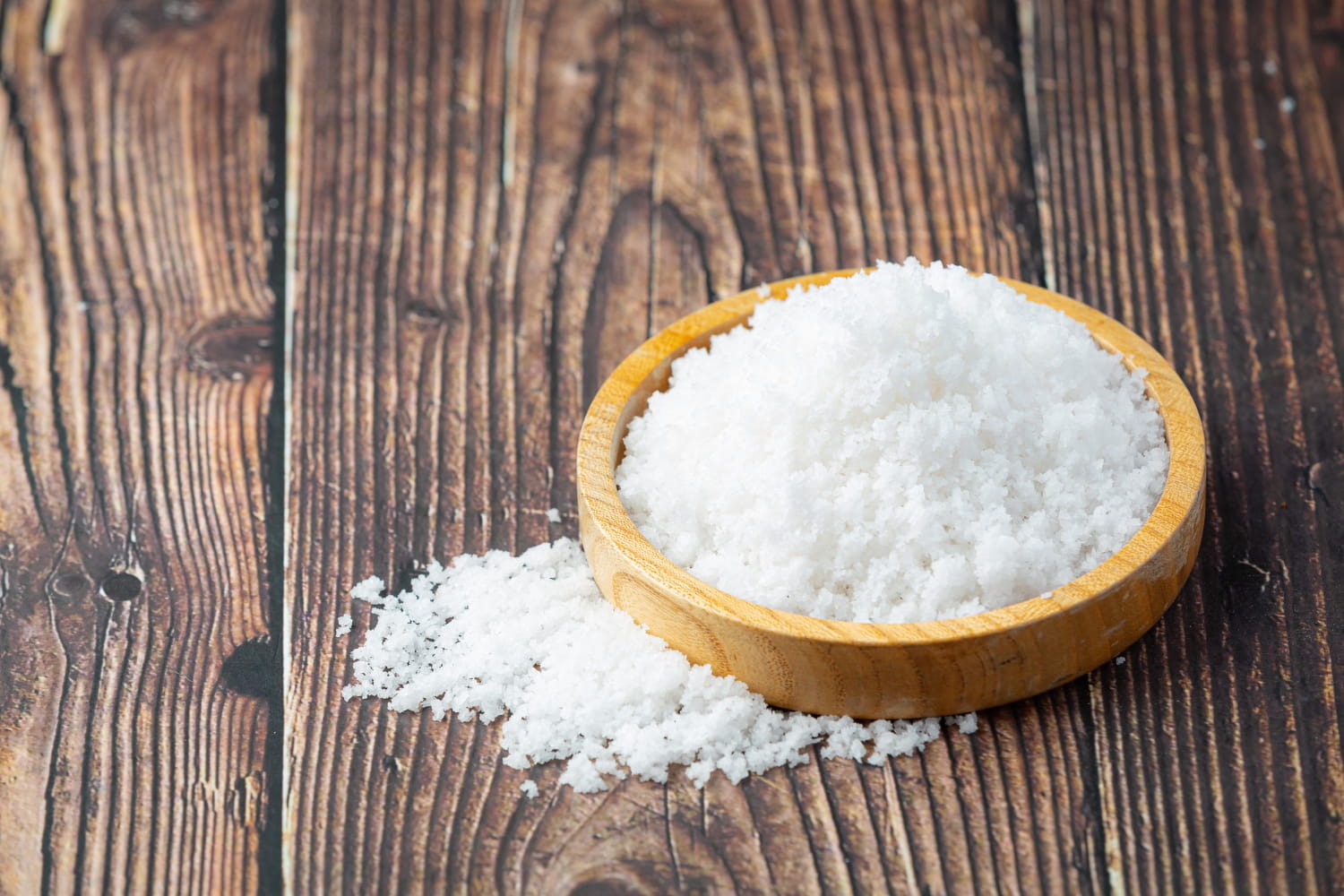
Salt has accompanied humanity for thousands of years, serving not merely as an indispensable seasoning but also as currency, preservative, and cultural symbol across diverse civilizations. Incredible facts about this seemingly simple substance reveal its extraordinary role in shaping societies and historical events throughout human history. You might not know that salt has sparked revolutions, ignited wars, and even contributed to the rise of entire empires across continents. Fascinating facts about salt transform an ordinary kitchen staple into a key for understanding human biology, culture, and our collective past.
- Salt stands as the only rock that humans consume directly in its natural state without processing. It forms through the evaporation of seawater in shallow basins or gets extracted from underground deposits of rock salt created millions of years ago. The human body cannot produce sodium chloride on its own, making external intake essential for survival. This biological necessity elevated salt to one of the most crucial minerals in human history.
- In ancient Rome salt held such immense value that soldiers sometimes received their wages in salt rather than coin. This practice gave rise to the English word salary which derives from the Latin salarium meaning money for purchasing salt. Romans constructed special roads like the Via Salaria specifically for transporting salt from production sites to population centers. Control over salt mines frequently triggered military conflicts and shaped political boundaries across Europe.
- Excessive salt consumption can lead to elevated blood pressure due to fluid retention within the body’s tissues. The World Health Organization recommends adults consume no more than five grams of salt daily for optimal cardiovascular health. Most people in modern societies exceed this guideline substantially because of processed and packaged foods. Reducing daily salt intake by merely half a teaspoon can significantly decrease the risk of heart disease and stroke.
- Salt played a pivotal role in developing international trade networks long before the Common Era began. Salt production sites in China have operated continuously for over four thousand years making them among humanity’s oldest industrial enterprises. Salt routes crossing the Alps and Sahara Desert established vital economic connections between distant continents and cultures. In certain African regions salt served as actual currency that could be exchanged directly for gold and other valuable commodities.
- Sea salt and rock salt differ primarily in their harvesting methods but remain nearly identical in chemical composition. Sea salt forms through solar evaporation of seawater in specially designed shallow ponds along coastlines. Rock salt comes from ancient underground deposits created when prehistoric seas evaporated millions of years ago. Any taste differences usually stem from trace minerals rather than variations in the fundamental sodium chloride structure.
- Salt functions as a natural preservative that inhibits harmful bacterial growth in perishable foods. This preservation method proved critically important before refrigeration and modern food storage technologies emerged. Fish and meat cured with salt according to ancient techniques could remain edible for months without spoiling. Maritime explorers relied on salted provisions to survive lengthy ocean voyages without facing starvation.
- In certain cultures spilled salt is considered an omen of bad luck requiring immediate neutralization by tossing a pinch over the left shoulder. This superstition traces back to ancient Roman times when salt symbolized friendship and loyalty between individuals. Spilling salt was interpreted as breaking a sacred bond or covenant between people. Leonardo da Vinci even depicted spilled salt near Judas’s hand in his famous painting The Last Supper.
- Global reserves of rock salt are so vast they could supply humanity’s needs for millions of years at current consumption rates. The most significant deposits lie beneath Germany Poland Canada and the United States. Some salt mines have transformed into remarkable tourist destinations such as the Wieliczka mine in Poland. These underground complexes feature magnificent chapels sculptures and even subterranean lakes with therapeutic microclimates.
- Salt proves essential for proper nervous system function and efficient transmission of nerve impulses throughout the body. Sodium and chloride ions participate actively in maintaining the body’s delicate fluid and electrolyte balance. Insufficient salt intake may cause muscle cramps weakness dizziness and potentially dangerous heart rhythm disturbances. Nevertheless the human body requires only modest amounts for optimal physiological performance.
- In India Mahatma Gandhi’s Salt March of 1930 became a powerful symbolic act of civil disobedience against British colonial authority. Gandhi walked over two hundred miles to the Arabian Sea coast to personally collect salt in protest against the British salt monopoly. This peaceful demonstration united millions of Indians and marked a turning point in the struggle for independence. British law strictly prohibited Indians from gathering or selling salt without colonial government permission.
- Certain animals including deer and bison actively seek natural salt deposits to satisfy their mineral requirements. These locations often become concentration points for wildlife which hunters historically exploited for more efficient hunting. National parks sometimes install artificial salt licks to support animal health and nutrition in managed environments. Even insects such as butterflies gather on damp soil surfaces to absorb essential minerals through specialized behaviors.
- Salt gets spread on roads during winter months to prevent dangerous ice formation on driving surfaces. It lowers water’s freezing point allowing ice to melt into liquid even at subzero temperatures. However excessive use of road salt can damage ecosystems harm vegetation and accelerate vehicle corrosion through chemical reactions. Many regions are gradually adopting more environmentally friendly alternatives like potassium chloride or specialized de-icing compounds.
- Ancient Egyptians used salt extensively in mummification processes thanks to its powerful desiccating properties that prevent tissue decomposition. Mummies preserved with salt and natron remained intact for thousands of years under proper conditions. Egyptians also employed salt to preserve fish and meat intended for burial offerings and funerary feasts. Salt symbolized purification and eternal life within Egyptian religious beliefs and mythology.
- Colored salts such as Himalayan pink salt or Hawaiian black salt acquire their distinctive hues from mineral impurities and clay deposits. Pink salt contains trace amounts of iron oxide which gives it that characteristic rosy tint. Black Hawaiian salt incorporates activated volcanic charcoal that contributes both its dramatic color and subtle earthy flavor notes. Despite marketing claims scientific evidence does not support significant nutritional advantages of colored salts over regular table salt.
- Salt serves as a crucial raw material in manufacturing numerous industrial products including soap glass paper and textiles. The chemical industry uses salt to produce chlorine sodium hydroxide and other fundamental compounds essential for modern manufacturing. Approximately sixty percent of all mined salt goes toward industrial applications rather than human consumption. Textile manufacturers also rely on salt to fix dyes permanently onto fabric fibers during production processes.
- Salt deficiency can develop during intense physical exertion or hot weather conditions due to excessive sweating and electrolyte loss. Athletes commonly consume specialized sports drinks containing balanced electrolytes to restore proper sodium levels after training or competition. Symptoms of deficiency include pronounced fatigue muscle spasms lightheadedness and impaired cognitive function. Severe cases may require medical intervention to rapidly correct dangerous electrolyte imbalances.
- During medieval Europe salt represented a luxury item accessible primarily to wealthy nobility and merchants. Banquet tables were often divided symbolically by a silver salt cellar indicating guests’ social status and importance. Those seated above the salt cellar enjoyed higher prestige than individuals placed below it at the same table. This historical practice influenced the modern English expression to be above the salt meaning to hold superior social standing.
- Salt can be stored indefinitely without losing its properties provided it remains in a dry environment protected from moisture. Archaeologists have discovered edible salt in ancient ceramic vessels dating back more than a thousand years. Unlike most foodstuffs salt possesses no expiration date owing to its remarkable chemical stability and resistance to microbial growth. This permanence made salt an ideal commodity for long-distance trade across ancient civilizations.
- In Japan a tradition exists of throwing salt onto the sumo wrestling ring before matches to purify the space and ward off malevolent spirits. This ceremonial cleansing ritual called shiomaki forms an integral part of sumo’s spiritual and cultural practices. Wrestlers also toss salt into the ring during matches as a symbolic gesture of purification and respect. The practice originates from Shinto beliefs regarding salt’s powerful cleansing and protective spiritual properties.
- Global salt consumption reaches approximately two hundred seventy million tons annually with the majority allocated to industrial and agricultural applications. Only about six percent of all mined salt goes directly toward human food consumption worldwide. China the United States and India lead global salt production by volume and extraction capacity. The Dead Sea situated between Israel and Jordan holds the distinction of being Earth’s saltiest body of water.
These captivating facts about salt demonstrate how profoundly this simple crystalline substance permeates human history culture and biological necessity. Incredible insights into salt’s multifaceted roles remind us that even the most ordinary materials can carry extraordinary significance across time and civilizations. You might not have realized how rich and complex the story of this humble white mineral truly is but now appreciate its genuine historical and practical value. Salt remains far more than a culinary seasoning—it stands as a living witness to millennia of human experience innovation and survival.


