
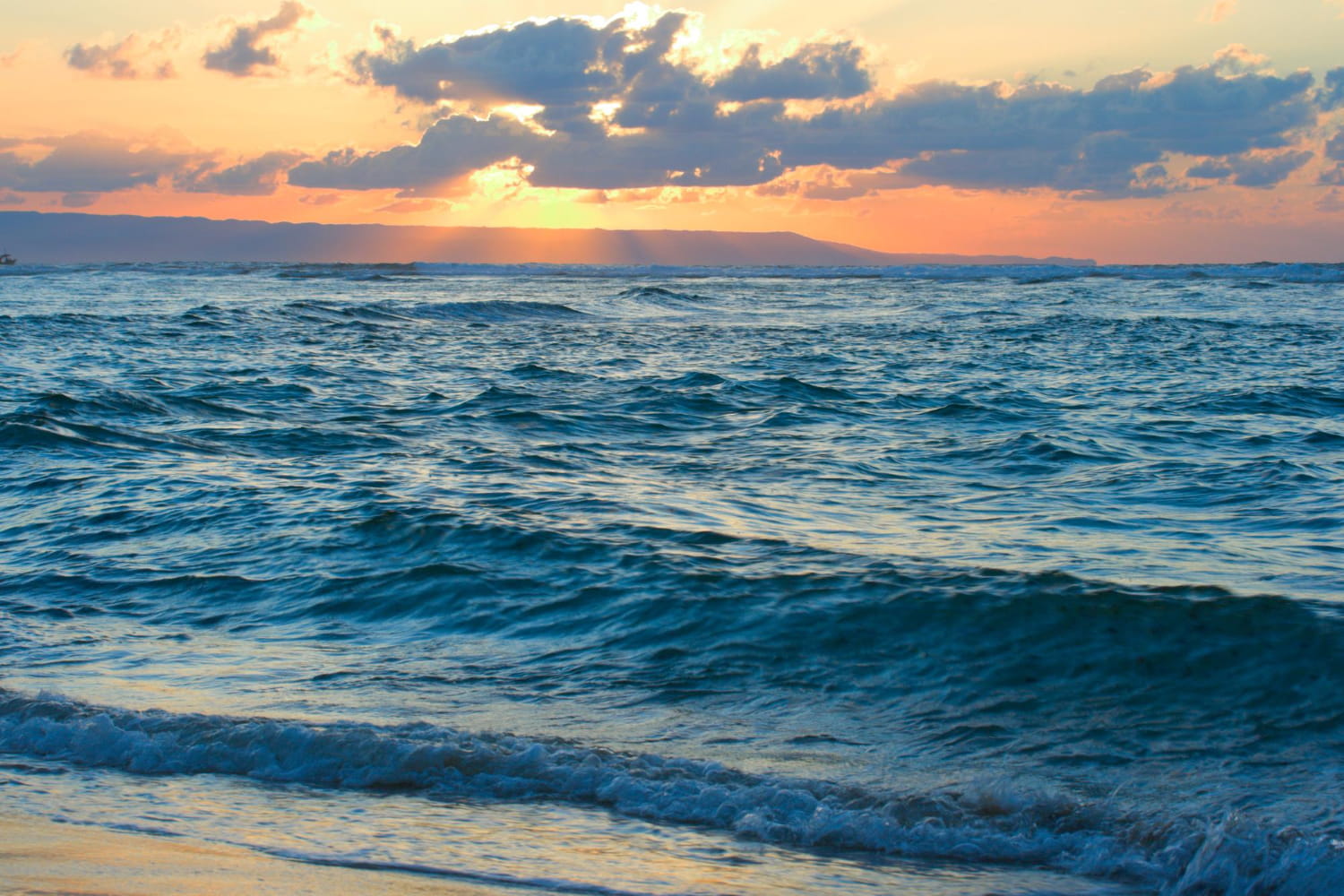
More than seventy percent of our planet’s surface is covered by water that holds secrets continuing to astonish scientists and explorers alike. Oceans are far more than vast bodies of water—they are intricate ecosystems that shape Earth’s climate, weather patterns, and the very existence of life itself. Today we invite you to explore incredible facts about oceans that you might not have known before. These fascinating details will reveal the majesty and mystery of the deep blue realms that remain among the least explored territories on our planet.
- The World Ocean consists of five major oceans the Pacific Atlantic Indian Southern and Arctic Oceans. The Pacific Ocean is the largest and deepest of them all covering more than one third of Earth’s surface. Its area exceeds the combined landmass of all continents put together. The deepest point on our planet the Mariana Trench lies within the Pacific Ocean.
- The average depth of the World Ocean is approximately three kilometers yet some trenches plunge beyond eleven kilometers. The Mariana Trench reaches depths exceeding eleven thousand meters which surpasses the height of Mount Everest. Pressure at such depths is eight hundred times greater than atmospheric pressure at sea level. Only specially designed bathyscaphes can withstand these extreme conditions.
- Oceans contain more than ninety seven percent of all water on Earth yet merely two and a half percent of this water is freshwater. Most freshwater remains frozen in glaciers and polar ice caps. Ocean water averages thirty five grams of salt per liter though salinity varies depending on regional evaporation and precipitation patterns. This delicate balance affects marine life distribution across different oceanic zones.
- Ocean currents function as a global conveyor belt regulating Earth’s climate system. The Gulf Stream for instance transports warm water from tropical regions toward northern latitudes softening Europe’s climate significantly. Without these currents Earth’s climate conditions would be considerably more extreme and inhospitable. Shifts in current patterns can trigger profound global climate transformations over time.
- Coral reefs occupy less than one percent of the ocean floor yet provide habitat for more than twenty five percent of all marine species. The Great Barrier Reef off Australia’s coast stands as the largest structure on Earth built by living organisms. Stretching over two thousand kilometers it remains visible even from space. Corals are animals not plants forming symbiotic relationships with photosynthetic algae.
- Underwater mountain ranges form the longest mountain system on our planet hidden beneath ocean surfaces. The Mid Atlantic Ridge extends more than sixty thousand kilometers circling the globe like a seam. This system forms at tectonic plate boundaries where magma rises from Earth’s interior creating new seafloor. Most of this ridge lies submerged several kilometers below the ocean surface.
- Over eighty percent of ocean depths remain completely unexplored by humanity. We actually know the surface of the Moon better than we know the ocean floor. Modern technology allows us to investigate only small portions of these profound depths. Each new expedition frequently uncovers previously unknown species and natural phenomena.
- Oceans absorb approximately thirty percent of carbon dioxide emissions resulting from human activities. This process helps slow global warming but simultaneously causes ocean acidification. Acidification negatively impacts organisms with calcium based shells and skeletons. Corals mollusks and certain plankton species prove especially vulnerable to these chemical changes.
- The Pacific Ocean contains a massive accumulation zone of plastic debris known as the Great Pacific Garbage Patch. This area spans several million square kilometers comparable in size to the continent of Europe. Plastic waste gradually breaks down into microplastics entering marine food chains at fundamental levels. Marine animals frequently mistake plastic for food leading to injury or death.
- Bioluminescence the ability of organisms to produce light represents a common phenomenon in deep sea ecosystems. More than ninety percent of creatures living below seven hundred meters possess this remarkable capability. They utilize light for hunting attracting mates or camouflage against predators. Some squid species even release glowing clouds to confuse and escape pursuing hunters.
- Oceans generate more than half of Earth’s oxygen supply through photosynthesis performed by marine algae and phytoplankton. These microscopic organisms form the foundation of marine food webs while playing crucial roles in the global carbon cycle. Without them Earth’s atmosphere would contain significantly less breathable oxygen. Phytoplankton contributes the majority of primary production occurring in ocean environments.
- The oldest water in oceans may exceed one thousand years in age residing in deep layers of the Southern Ocean. This ancient water slowly circulates through the World Ocean over centuries before eventually returning to the surface. Such gradual exchange influences heat distribution and nutrient availability throughout marine environments. Scientists study these processes to better understand long term climate variations.
- Hydrothermal vents exist in ocean depths releasing superheated water reaching temperatures up to four hundred degrees Celsius. Unique ecosystems thrive around these vents completely independent of sunlight. Organisms here derive energy through chemosynthesis utilizing chemical compounds dissolved in vent fluids. Giant tube worms specialized shrimp and extraordinary bacteria inhabit these extreme environments.
- Sound travels nearly four times faster in water than in air enabling marine animals to communicate across vast distances. Whales exchange vocal signals across more than one thousand kilometers using specialized sound channels within ocean layers. Human generated noise from shipping and seismic exploration disrupts this natural communication network. Acoustic pollution has become a serious threat to marine mammal populations worldwide.
- Ocean tides result from gravitational interactions between the Moon Sun and Earth’s water masses. The highest tides occur in the Bay of Fundy where water level differences reach sixteen meters between high and low tide. Tidal movements play essential roles in water mixing and distributing nutrients throughout coastal ecosystems. Tidal energy also represents a promising renewable power source for sustainable development.
- Most submarine volcanoes remain hidden beneath ocean surfaces with many staying actively eruptive. The Hawaiian Islands formed through volcanic activity as an underwater mountain gradually rose above sea level. New islands continue emerging in various parts of the World Ocean through ongoing volcanic processes. Some submarine eruptions create temporary islands that later submerge back beneath the waves.
- Ocean surface temperatures range from minus two degrees Celsius in polar regions to thirty four degrees in tropical zones. Below one thousand meters depth temperature remains nearly constant around four degrees Celsius. This cold deep water moves slowly throughout the entire World Ocean in a global circulation pattern. Temperature differences between surface and deep layers drive vertical water movement essential for ocean health.
- Sea ice forming in polar regions plays a critical role in regulating planetary climate systems. Its bright surface reflects sunlight helping maintain frigid temperatures across Arctic and Antarctic regions. Melting sea ice reduces Earth’s reflectivity accelerating global warming through positive feedback loops. Unlike land based glaciers melting sea ice does not directly raise global sea levels.
You might not know that oceans serve as the true heart of our planet sustaining life and climate equilibrium for millions of years. These incredible facts remind us of the urgent importance protecting marine ecosystems increasingly threatened by human activities. Each of us can contribute to preserving this magnificent aquatic realm for generations yet to come.


