
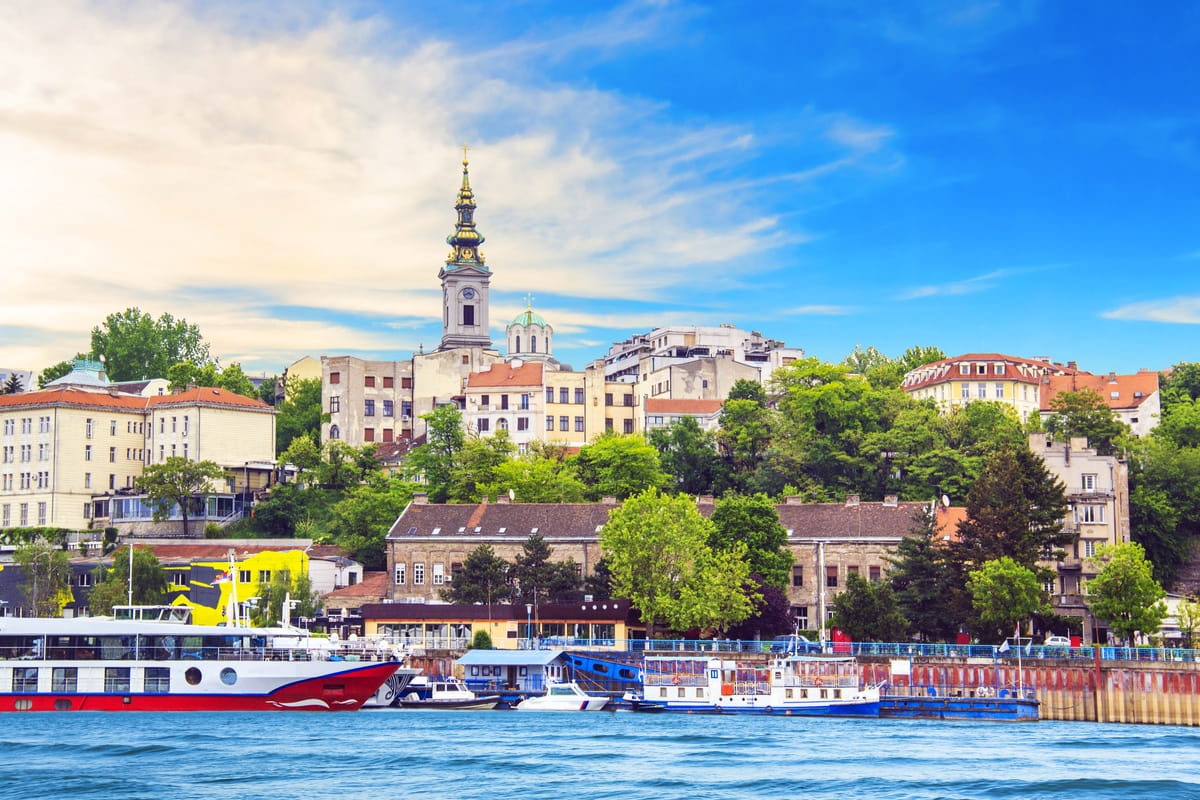
Serbia is a land where East meets West, where deep historical roots intertwine with modern life, and where nature offers genuine wonders. Nestled in the heart of the Balkans, it preserves traces of the Roman Empire, Ottoman rule, Austro-Hungarian influence, and Yugoslav heritage. Many travelers pass by Serbia without realizing the treasures hidden within its borders. If you thought you already knew everything about this Balkan nation, prepare to discover a wealth of fascinating facts you may never have heard before. Below is a collection of the most intriguing and lesser-known details about Serbia.
- Serbia is one of the few landlocked countries in the world that maintains its own river fleet. This is made possible by major waterways like the Danube, Sava, and Tisa rivers, which are part of international inland navigation routes. The Serbian river fleet serves both cargo and passenger transport, as well as scenic tourist cruises. This unique feature positions Serbia as a key inland transport hub in Southeastern Europe.
- Serbia is home to Lepenski Vir, the oldest known settlement in Europe, dating back over 7,000 years. Located on the banks of the Danube, this archaeological site astonishes with its sophisticated architecture and enigmatic stone sculptures. It provides compelling evidence that complex societies existed in what is now Serbia during the Neolithic period. Lepenski Vir is widely regarded as one of Europe’s most significant prehistoric sites.
- Serbia is the world’s leading producer of plums, and its national spirit—šljivovica—is distilled exclusively from this fruit. Annual festivals celebrate plums and šljivovica, showcasing regional recipes and traditional distillation methods. Šljivovica is more than just an alcoholic beverage; it is deeply woven into Serbian cultural identity. The U.S. Congress even passed a resolution recognizing šljivovica as part of Serbia’s intangible cultural heritage.
- Belgrade hosts one of Europe’s oldest zoos—Jevremovac Zoo, founded in 1936. Uniquely situated within the historic Kalemegdan Fortress, the zoo has become a beloved symbol of the city. Its first resident was a elephant named Ivan, gifted to Yugoslavia after World War II. Today, the zoo actively participates in conservation programs for endangered species.
- Serbia is the only country in Europe with two officially recognized flags: the state flag and the national flag. Both feature the red-blue-white tricolor, but only the state flag includes the national coat of arms. This distinction reflects the dual use of national symbols—for official government purposes and for civilian display. Such a practice is rare among European nations.
- Serbia is home to the largest Orthodox church in the world—the Church of Saint Sava in Belgrade. Construction spanned more than a century, and its vast interior can accommodate over 10,000 worshippers at once. The church stands on the site where, according to legend, Ottoman authorities burned the relics of Saint Sava in the 16th century. It serves not only as a religious center but also as a powerful national symbol.
- Serbia is one of the few countries that does not recognize Kosovo’s declaration of independence. This stance remains central to Serbian foreign policy and affects diplomatic relations with numerous nations. For most Serbians, Kosovo is still viewed as an inseparable part of their historic homeland. The issue carries profound emotional and cultural weight.
- Serbia houses the world’s only Museum of Film Negatives—the Yugoslav Film Archive in Belgrade. It safeguards over 100,000 film reels, including original prints from Yugoslav and international cinema. The archive is a treasure trove for film historians and cinephiles alike. It regularly organizes retrospectives and international film festivals.
- Serbia ranks among the top global producers of rakia—a traditional fruit brandy. Each region boasts its preferred variety, from plum and pear to apricot and cherry. Rakia production is often a family tradition passed down through generations. In many villages, rakia is considered not just a drink but also a natural remedy.
- Serbia contains Europe’s oldest wine-producing region—Župa, where viticulture has thrived for over 2,000 years. Archaeological findings confirm wine production here during Roman times. Today, Župa is renowned for its high-quality white wines, especially the indigenous Prokupac grape. Wine tourism in this area is steadily growing in popularity.
- Serbia has one of the highest percentages of vegetarians in Eastern Europe, largely due to the Orthodox Christian tradition of fasting. During fasting periods—which total nearly half the year—many Serbians abstain from meat, dairy, and eggs. This has fostered a rich plant-based culinary tradition with hundreds of vegetarian dishes. Even ordinary restaurants always offer a wide selection of fasting-friendly meals.
- Serbia is home to the world’s only monument dedicated to rescue dogs, located in Belgrade. It honors two heroic dogs that saved dozens of lives during the devastating 1954 flood. The monument stands as a heartfelt tribute to animal loyalty and courage. It has also become a popular attraction for visitors.
- Serbia is one of the few countries where a “three religions, one school” system operates. In towns like Novi Pazar, children of different faiths—Orthodox, Muslim, and Catholic—attend classes in the same building but on separate floors or at different times. This arrangement reflects the country’s multicultural legacy and efforts to maintain intercommunal harmony. Such a model is unique in Europe.
- Serbia lies along EuroVelo 6, the longest cycling route in Southeastern Europe, which follows the Danube River from Germany to the Black Sea. Thousands of cyclists travel this scenic path each year, passing vineyards, medieval fortresses, and protected natural areas. This makes Serbia an increasingly attractive destination for active and eco-conscious travelers.
- Serbia is the world’s top exporter of raspberries, producing more than 30% of the global supply. The Šumadija region hosts the largest raspberry plantations. Serbian raspberries are prized for their flavor and quality, and major European food companies source them regularly. Raspberry farming is a vital component of the country’s agricultural economy.
These interesting facts about Serbia only begin to reveal the depth of its history, cultural richness, and natural beauty. The astonishing details you may not have known illustrate just how layered and multifaceted this Balkan nation truly is. The captivating insights into Serbia inspire exploration, discovery, and deeper appreciation—because every corner of this country holds a story worth hearing.


