
Зміст
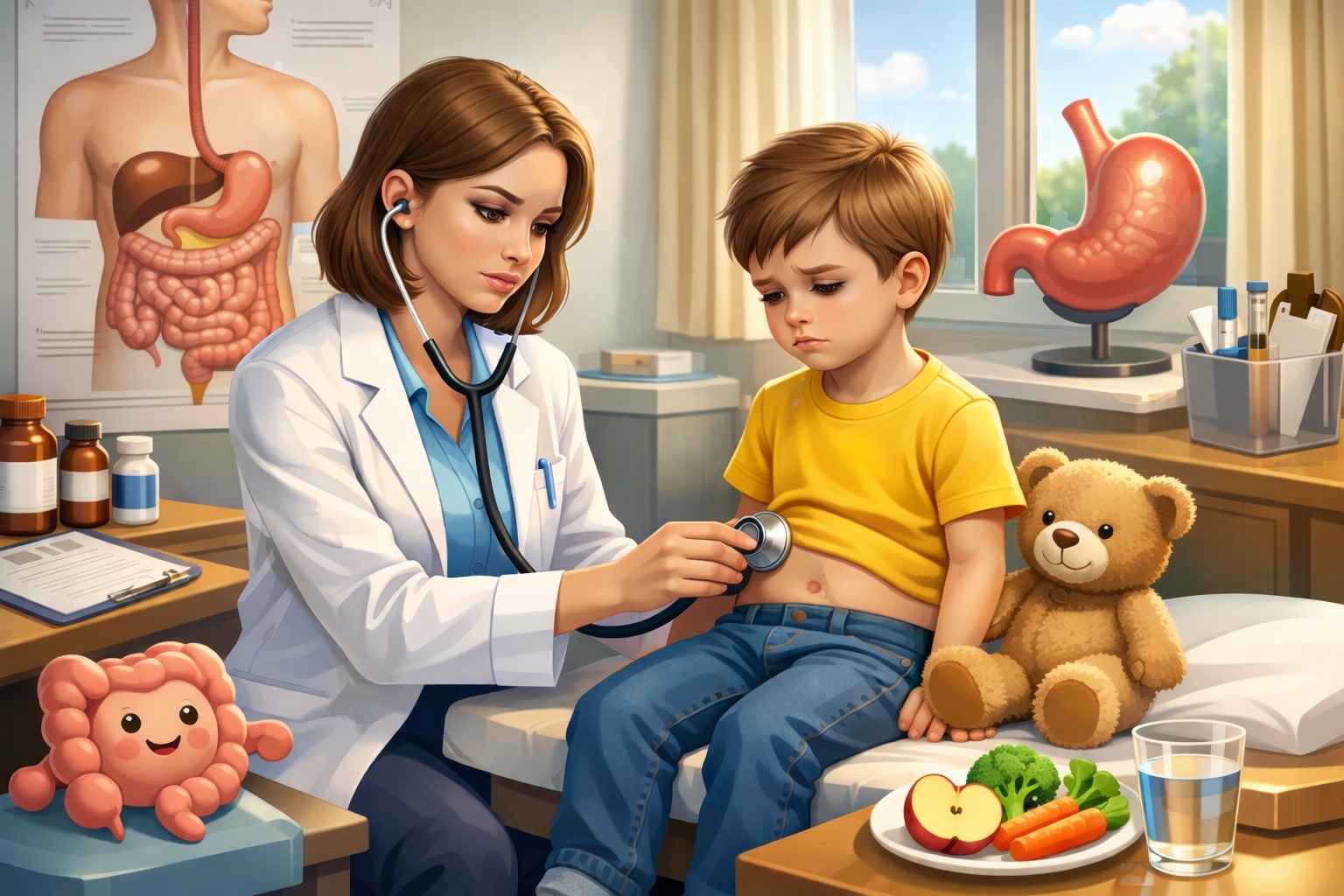
The health of the digestive system lays the foundation for a child’s full development and formation of strong immunity. Parents often encounter various gastrointestinal problems in their children but don’t always understand when a specialist consultation is necessary. Understanding alarming symptoms allows parents to seek qualified help promptly. Let’s examine which signs indicate the need for a visit to a specialized doctor.
Main Symptoms Requiring Specialist Attention
There are several manifestations when postponing a doctor’s visit is inadvisable. A child’s body signals problems in various ways, and parents’ task is to recognize these signals promptly.
The most common signs include:
- frequent abdominal pain that recurs regularly;
- bowel movement disorders – constipation or diarrhea lasting more than a week;
- nausea and vomiting without signs of acute infection;
- belching, heartburn, unpleasant breath odor;
- abdominal bloating, excessive gas formation;
- decreased appetite or complete food refusal;
- weight loss or insufficient mass gain;
- blood appearing in stool.
Any of the listed symptoms requires professional assessment. Self-treatment may worsen the situation and lead to chronic diseases.

Abdominal Pain – When to Sound the Alarm
Periodic complaints from a child about discomfort in the abdominal area occur quite frequently. However, it’s important to distinguish temporary ailment from serious pathology.
Consulting a doctor is necessary in the following cases:
- Pain localizes in a specific zone and has a constant character. For example, discomfort in the right hypochondrium may indicate gallbladder problems, while pain around the navel sometimes suggests small intestine diseases. Parents should pay attention to exactly where the child points to the painful spot.
- Unpleasant sensations intensify after eating or, conversely, appear on an empty stomach. Such connection with food often indicates gastritis, peptic ulcer disease, or pancreatitis. Keeping a food diary will help track the pattern between consuming certain products and discomfort appearing.
- Pain syndrome accompanies additional symptoms – temperature elevation, vomiting, skin color changes. The combination of signs requires immediate consultation with a specialist. Delay in such situations is dangerous for the child’s health.
Timely diagnosis allows identifying the cause of ailment and beginning adequate treatment.

Bowel Movement Problems in Young Patients
Defecation disorders are one of the most frequent reasons for gastroenterological consultation. Regularity and character of stool are important indicators of digestive system health.
Constipation in children may be caused by improper nutrition, fluid deficiency, or serious intestinal diseases. If a child experiences difficulties with bowel movements for more than three consecutive days, stool has become hard and painful, a doctor’s help is necessary. Chronic constipation leads to body intoxication, appetite decrease, and overall health deterioration.
Diarrhea lasting more than three days also requires professional attention. Frequent liquid stool causes dehydration, especially dangerous for infants and young children. Stool color change – appearance of green, black shade, or blood admixtures – is an alarming sign requiring urgent examination.

Reflux and Regurgitation – Normal or Pathological
Infants often regurgitate after feeding, which is considered physiological norm. However, situations exist when this process indicates gastroesophageal reflux disease.
Alarming manifestations include:
- abundant “fountain” regurgitation after each feeding;
- child’s restlessness during eating and immediately after;
- breast or bottle refusal;
- insufficient weight gain;
- frequent crying, back arching;
- cough without cold symptoms.
Reflux can lead to esophageal inflammation, sleep disturbances, and respiratory problem development. The specialist will conduct necessary examination and recommend correction measures, including feeding regime changes, special formulas, or medication therapy.
Allergic Reactions and Product Intolerance
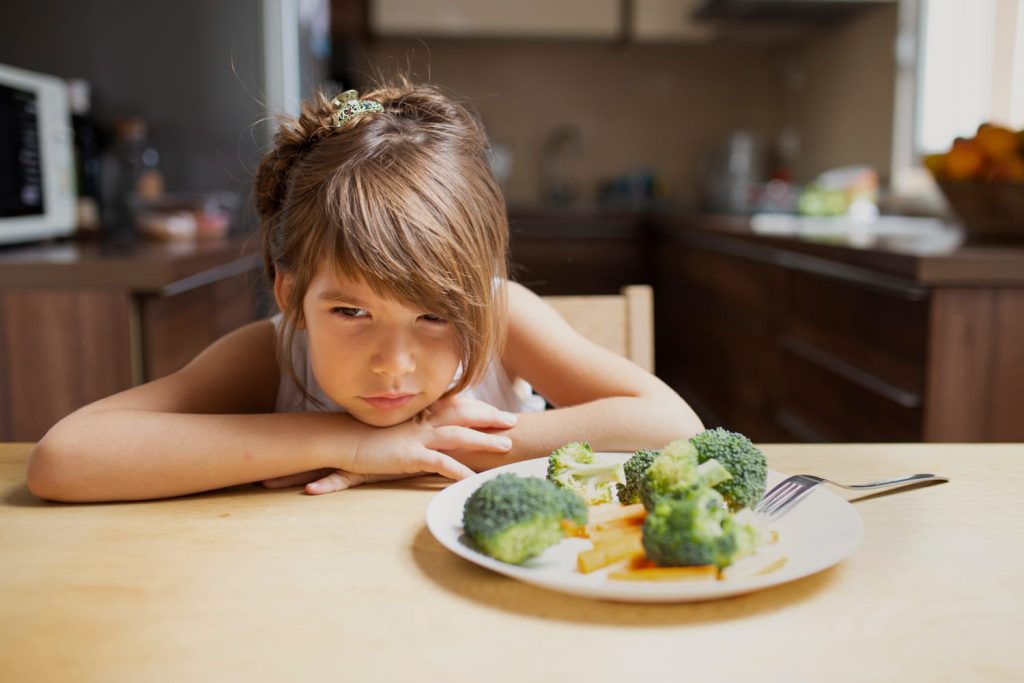
A child’s digestive system is particularly sensitive to various irritants. Allergy to certain products manifests not only through skin rashes but also gastrointestinal disorders.
Signs indicating food intolerance:
- Rash, redness, or itching appearing after consuming specific food. The most common allergens are cow’s milk, eggs, nuts, fish, wheat. Reaction can occur both immediately and several hours after food intake.
- Abdominal bloating, colic, diarrhea, or constipation associated with new complementary food introduction. Lactase deficiency, celiac disease, and other enzyme deficiencies require special diet. Without proper diagnostics, parents won’t be able to determine the true cause of ailment.
- Restlessness during feeding, food refusal, poor body mass gain. Chronic discomfort affects the child’s emotional state. The gastroenterologist will prescribe analyses for allergen detection and develop an individual nutrition plan.
Excluding provocative factors from the diet significantly improves the young patient’s quality of life.

Newborn Jaundice and Liver Diseases
Physiological jaundice in infants usually passes independently by the end of the second week of life. However, prolonged yellowing of skin covers may indicate liver or bile duct pathology.
Consulting a specialist is necessary if jaundice persists longer than three weeks, skin coloring intensity increases, dark urine or discolored stool appears. Such symptoms may indicate bile duct atresia, hepatitis, or metabolic disorders. Early problem detection is critically important for successful treatment.
In older children, liver diseases occur less frequently but require no less attention. Organ enlargement determined during palpation, yellowish sclera tint, increased fatigue are reasons for comprehensive examination.
Chronic Diseases and Regular Monitoring
Some pathologies require constant control from a gastroenterologist. Children with diagnosed chronic diseases need periodic examinations even without complaints.
Such conditions include:
- gastritis and peptic ulcer disease;
- inflammatory bowel diseases (Crohn’s disease, ulcerative colitis);
- celiac disease and other malabsorptions;
- pancreatitis;
- liver and gallbladder diseases.
Regular monitoring allows therapy correction, exacerbation prevention, and condition dynamics tracking. Scheduled visits are usually appointed once every three to six months depending on pathology severity.
Preventive Examinations – Health Guarantee
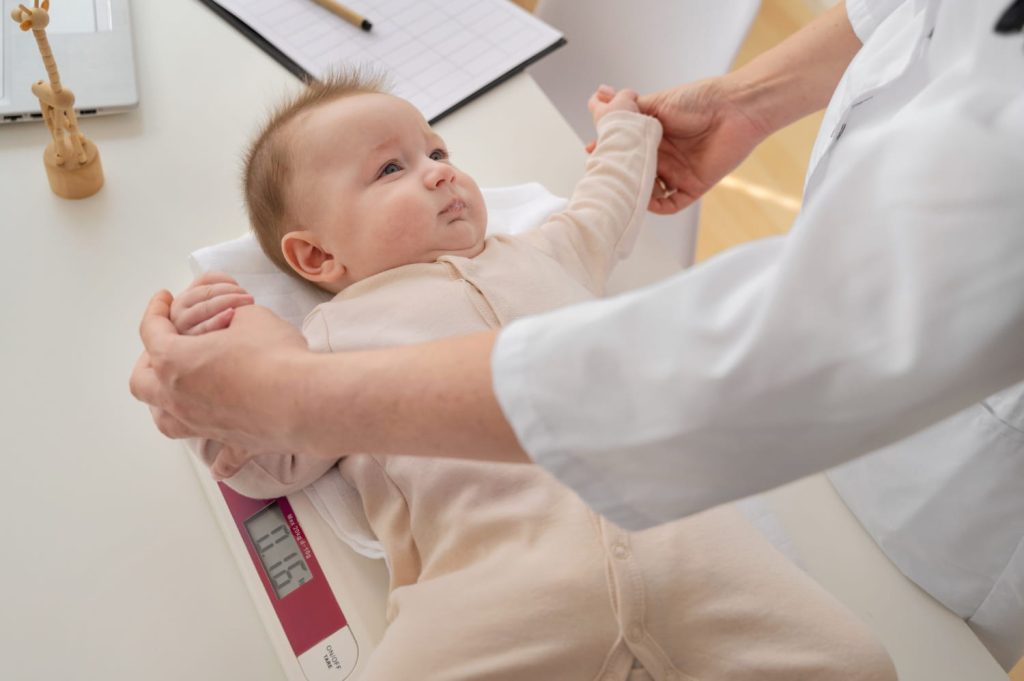
Even without obvious problems, showing a child to a gastroenterologist during certain development periods is recommended. Preventive consultations help detect hidden disorders at early stages.
Optimal time for a scheduled visit:
- Complementary food introduction period (around 6 months). Transition from breastfeeding to diverse nutrition is a critical moment for the digestive system. The doctor will assess organism readiness, provide recommendations on product introduction sequence.
- Age of kindergarten attendance beginning (2-3 years). Nutrition regime change, adaptation stress can provoke functional disorders. Timely consultation will help avoid problems.
- School age (6-7 years). Load increase, irregular nutrition, stress affect gastrointestinal tract functioning. Preventive examination will identify potential risks.
Caring for health from early childhood forms proper eating habits and prevents serious disease development in adulthood.
Timely consultation with a pediatric gastroenterologist is an important step in preserving a child’s health. Attentive attitude toward symptoms, regular preventive examinations, and following specialist recommendations will help avoid complications and ensure proper digestive system development. Remember that many diseases are successfully treated with early diagnostics, so you shouldn’t postpone a doctor’s visit when alarming signs appear. A comprehensive approach to child health ensures harmonious physical and emotional development.


