
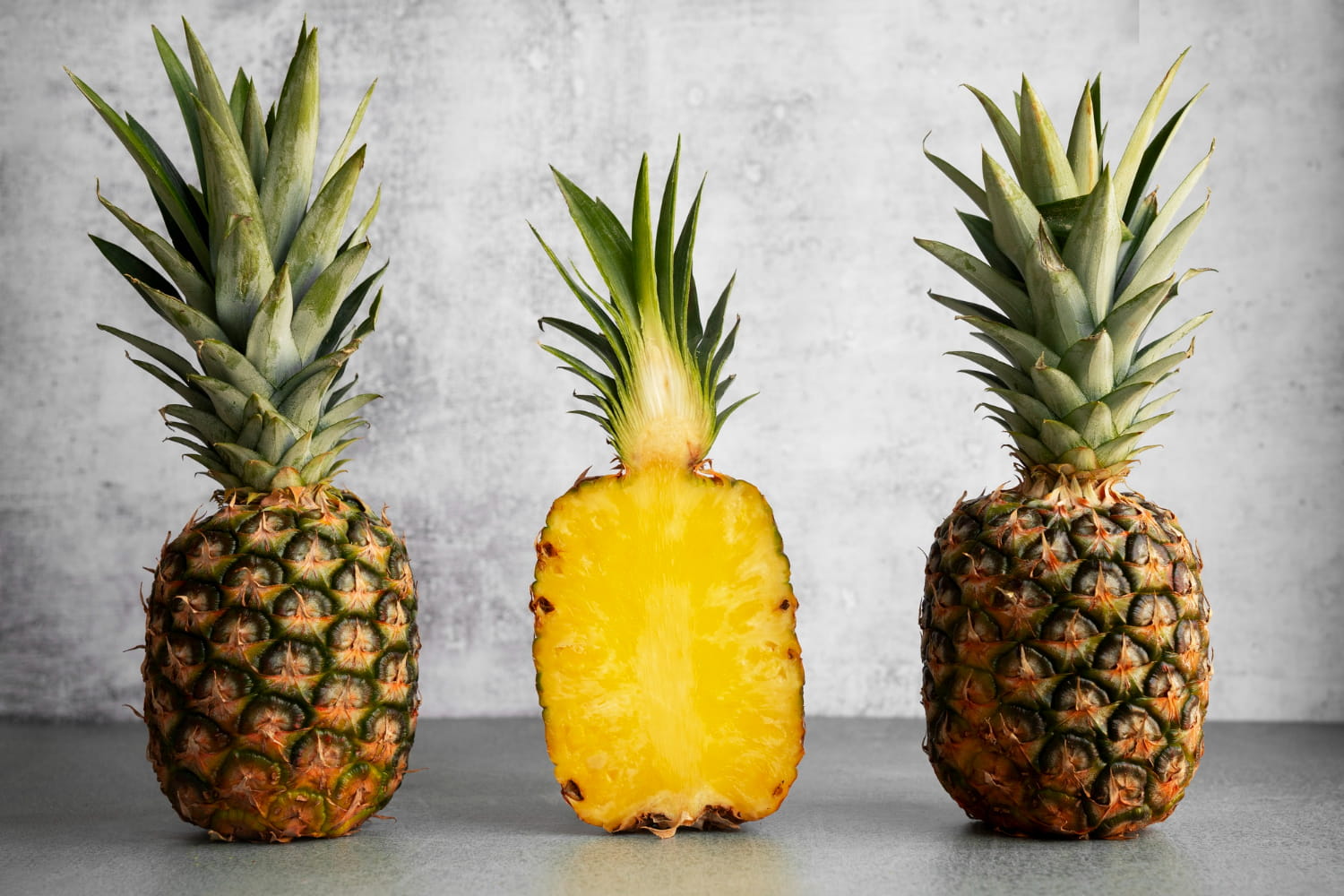
The pineapple is far more than just a juicy tropical fruit with an unforgettable flavor—it is a true marvel of nature, boasting unique biology and a rich cultural history. It astonishes not only with its striking appearance but also with its complex growth process, medicinal properties, and symbolic significance. You may not have known that a pineapple is not a single fruit at all, but a fusion of dozens of individual berries, or that it aids digestion thanks to a special enzyme. Among the countless fascinating details about this fruit lie secrets that reshape how we see the humble pineapple. Here are some of the most captivating.
- A pineapple is not actually a single fruit but a multiple fruit formed from the fusion of many individual flowers. Each “eye” on the pineapple’s surface marks where a flower once bloomed and developed into a tiny berry. As the fruit matures, all these berries merge into one cohesive structure—the familiar spiky fruit we find in stores. This is why pineapples have such a distinctive texture and intricate pattern.
- Pineapples contain a unique enzyme called bromelain, which helps break down proteins. This makes them especially beneficial for digestion, particularly after heavy meals. Bromelain also has anti-inflammatory and pain-relieving properties, which is why it’s used in natural medicine and supplements. However, this same enzyme can cause a mild burning sensation in the mouth if you eat too much fresh pineapple at once.
- Pineapples do not grow on trees; they are herbaceous plants that reach only 1 to 1.5 meters in height. Belonging to the bromeliad family, they grow directly from the ground, forming a rosette of long, stiff leaves. The fruit develops in the center of this rosette and takes 18 to 24 months to mature after planting. This lengthy cycle makes commercial pineapple cultivation both time-consuming and labor-intensive.
- The first Europeans to encounter pineapples were sailors in Christopher Columbus’s 1493 expedition on the island of Guadeloupe. Indigenous peoples had long used the fruit for food and ceremonial purposes. Columbus named it “piña de Indes” (pine of the Indians) due to its resemblance to a pinecone. Later, in Europe, the pineapple became a symbol of hospitality and extreme wealth because of its rarity and high cost.
- Pineapples do not continue ripening after harvest—they will not sweeten like bananas or avocados once picked. For this reason, they are harvested only when fully ripe on the plant. If you buy a green pineapple, it will never become sweet, no matter how long it sits at home. That’s why it’s best to choose a fruit with golden skin and a sweet aroma at the base.
- Every pineapple has its own “personality”—its shape, size, and flavor depend on the variety, climate, and soil conditions. Popular cultivars include Smooth Cayenne, Queen Victoria, Red Spanish, and Sugarloaf. For instance, Sugarloaf is considered the sweetest and has white flesh, while Red Spanish is more tart and firmer in texture. This diversity makes pineapples remarkably varied even within the same species.
- Pineapples can be propagated vegetatively using the leafy crown often discarded after eating. If planted in soil, this top can grow roots and eventually produce a new fruit—though it may take two to three years. This method is used both commercially and by home gardeners. Many people successfully grow pineapples indoors simply out of curiosity—and it really works.
- Pineapple is exceptionally rich in vitamin C—one serving provides nearly 100% of the daily recommended intake. It’s also a great source of manganese, which supports bone health and metabolism. Additionally, pineapples contain antioxidants that help protect cells from oxidative damage. Regular consumption can boost immunity and overall well-being.
- In the 18th century, pineapples were so expensive in Europe and colonial America that they were often displayed as decorative centerpieces at banquets rather than eaten. Wealthy hosts would even rent a pineapple for a single evening to impress guests. Only the very affluent could afford to actually consume one. This tradition lives on in architecture and design—pineapple motifs appear on furniture, gateposts, and fountains as enduring symbols of welcome and generosity.
- Pineapples are grown in over 80 countries worldwide, with Costa Rica, the Philippines, Brazil, and India being the largest producers. Costa Rica alone supplies more than 75% of the pineapples sold in the United States. Large-scale farming often involves heavy pesticide use, prompting environmentally conscious consumers to seek organic options. This has sparked broader conversations about sustainable agriculture and fair labor practices.
- Pineapple has natural meat-tenderizing properties, which is why it’s commonly added to marinades for pork, chicken, or fish. The bromelain enzyme breaks down tough muscle fibers, making the meat more tender. However, over-marinating can turn meat mushy, so timing and proportion are crucial when using pineapple in savory dishes.
- Commercial pineapples are typically seedless—a result of selective breeding to improve eating quality. Wild varieties, in contrast, often contain small black seeds embedded in the flesh. The seedless trait makes modern pineapples more convenient and pleasant to eat, though it also reduces genetic diversity in cultivated stocks.
- Pineapples can literally “eat you back”—the bromelain enzyme digests the proteins in the mucous membranes of your mouth, causing that familiar tingling or slight soreness after eating too much. This isn’t harmful, but it explains why pairing pineapple with dairy (like yogurt or ice cream) feels more comfortable: the casein in milk binds to bromelain, neutralizing its effect before it reaches sensitive tissues.
- In ancient cultures of South America, pineapple was considered a sacred fruit. Indigenous groups used it to treat inflammation, digestive disorders, and even as a blood purifier. They also believed it possessed spiritual powers that warded off evil spirits. Some of these traditional uses persist today in folk medicine across tropical regions.
These remarkable facts reveal just how multifaceted the pineapple truly is—from its botanical ingenuity to its historical symbolism. You may not have realized that behind its sweet juiciness lies a powerful enzymatic system and a story stretching back to the Age of Exploration. These fascinating insights remind us that even the most ordinary fruit on our plate can be a genuine treasure of nature—if only we take a closer look.


