
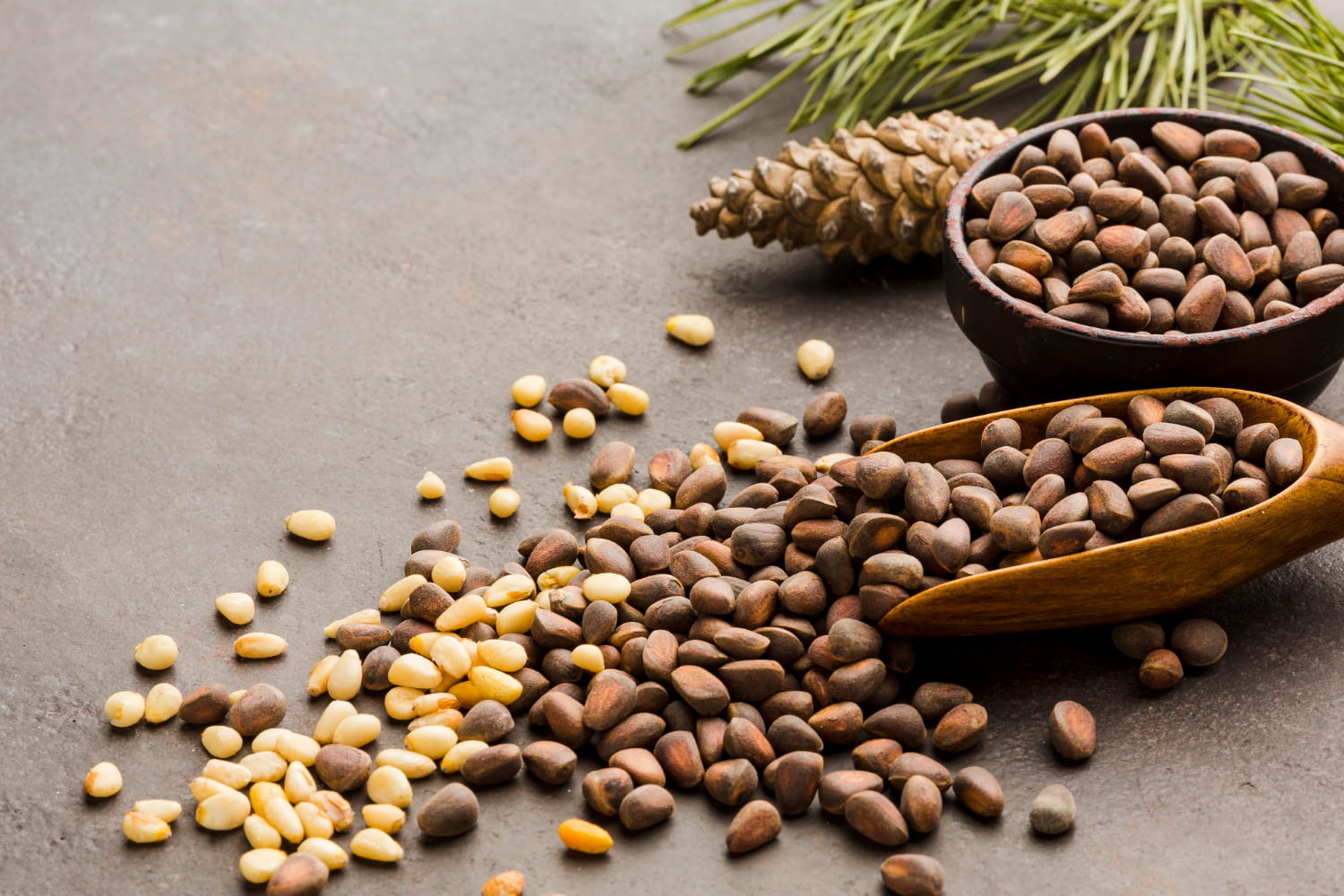
Pine nuts are far more than just a tasty addition to salads and desserts—they are a true natural concentrate of health, energy, and history. Their delicate flavor, unique nutritional profile, and labor-intensive harvesting process continue to fascinate people around the world. You may not have known that pine nuts aren’t technically nuts in the botanical sense or that they’re still gathered almost entirely by hand after years of waiting. Among the many facts about this remarkable food lie astonishing details that make it even more valuable. Here are some of the most captivating ones.
- Pine nuts are not true nuts at all but are actually the edible seeds of certain pine tree species. Botanically, they come from gymnosperms—plants that produce “naked seeds” not enclosed in an ovary—unlike almonds or walnuts, which develop from flowering plants. This means pine nuts lack the hard fruit-derived shell typical of culinary nuts. Instead, they mature inside pine cones, which can take several years to fully ripen.
- The Siberian pine (Pinus sibirica) produces some of the most prized pine nuts in the world. This tree grows primarily in Siberia, the Altai Mountains, and northern Kazakhstan. It can live for over 500 years and reach heights of up to 40 meters. Each cone from this species may contain up to 150 seeds, each protected by a tough outer shell.
- Harvesting pine nuts is an extremely labor-intensive process that resists mechanization. Pine cones mature only once every two to three years, and they must be dried or carefully heated to open naturally. Once opened, the seeds are extracted and manually shelled—a slow, meticulous task. Because of this, authentic pine nuts remain a premium and relatively expensive food item.
- Pine nuts contain a unique fatty acid called pinolenic acid, which helps trigger a rapid feeling of fullness. For this reason, they are often recommended as part of weight-management diets. Pinolenic acid stimulates the release of satiety hormones like cholecystokinin and glucagon-like peptide-1, which signal the brain that the body has had enough food. Just a small handful can suppress appetite for several hours.
- Pine nuts are rich in healthy fats—about 68% of their total weight consists of lipids. However, these are predominantly unsaturated fats, including omega-3 and omega-6 fatty acids, which support cardiovascular and cognitive health. They are also an excellent source of vitamin E, a powerful antioxidant that protects cells from oxidative damage. Regular consumption has been linked to lower levels of LDL (“bad”) cholesterol.
- Pine nuts are among the most calorie-dense foods available, with approximately 670 kilocalories per 100 grams. Despite this, they are typically consumed in small portions due to their high nutrient density. They are ideal for hikers, mountaineers, and anyone needing sustained energy without blood sugar spikes. Their low glycemic impact makes them suitable even for people managing diabetes.
- Some individuals experience a rare condition known as “pine mouth” or “pine nut syndrome” after eating certain batches of pine nuts. This temporary disorder causes a persistent bitter or metallic taste in the mouth that can last from a few days to two weeks. While harmless and not allergic in nature, it’s believed to result from oxidized fats or contaminants in specific pine nut varieties—particularly those from non-Siberian species. Not everyone is affected.
- Archaeological evidence shows that humans have been consuming pine nuts for over 10,000 years. Indigenous peoples of Siberia and the Altai relied on them as a primary protein source long before agriculture. In ancient Rome, pine nuts were used in sauces and confections, while in traditional Chinese medicine, they symbolized longevity and vitality. Today, they remain integral to cuisines across the Mediterranean, Middle East, and Central Asia.
- Pine nuts should never be exposed to high heat, as their delicate oils can oxidize and become rancid or even harmful. For maximum benefit, they are best eaten raw or lightly toasted at low temperatures. Due to their high fat content, they spoil quickly and should be stored in the refrigerator or freezer. Once opened, a container stays fresh for only a few weeks.
- Pine nuts are packed with essential minerals, including magnesium, zinc, iron, copper, and manganese. Magnesium supports nervous system function and helps regulate stress, while zinc boosts immune response. Iron is crucial for hemoglobin production, and copper plays a key role in collagen formation and connective tissue health. Together, these nutrients contribute to overall physical resilience.
- Pine nuts contain more protein than many other nuts—up to 14% by weight. Importantly, this protein includes all nine essential amino acids that the human body cannot synthesize on its own. This makes pine nuts a rare complete plant-based protein source, especially valuable for vegetarians and vegans. Their protein is also highly digestible compared to many legumes or grains.
- Beyond the kitchen, pine nuts have long been used in folk medicine. Traditional healers prescribed them for respiratory ailments, nervous exhaustion, and digestive issues. Pine nut oil is applied topically to soothe skin irritations, promote wound healing, and nourish hair. It also possesses anti-inflammatory properties and has been used to ease joint pain and arthritis symptoms.
- The largest producers of pine nuts today are Russia, Kazakhstan, Mongolia, and China. However, much of the global market is flooded with cheaper alternatives from other pine species, such as Korean or Italian stone pines. True Siberian pine nuts are larger, softer-shelled, and have a milder, creamier taste. When purchasing, it’s wise to check the origin to ensure quality and authenticity.
These remarkable facts about pine nuts reveal just how rich, complex, and historically significant this humble seed truly is. You may not have realized that behind their subtle flavor lies a powerhouse of nutrition, a legacy spanning millennia, and a deep connection to both human culture and ecological systems. These fascinating insights remind us that sometimes nature’s greatest treasures come in the smallest, quietest packages—if only we know how to recognize and honor them.


