
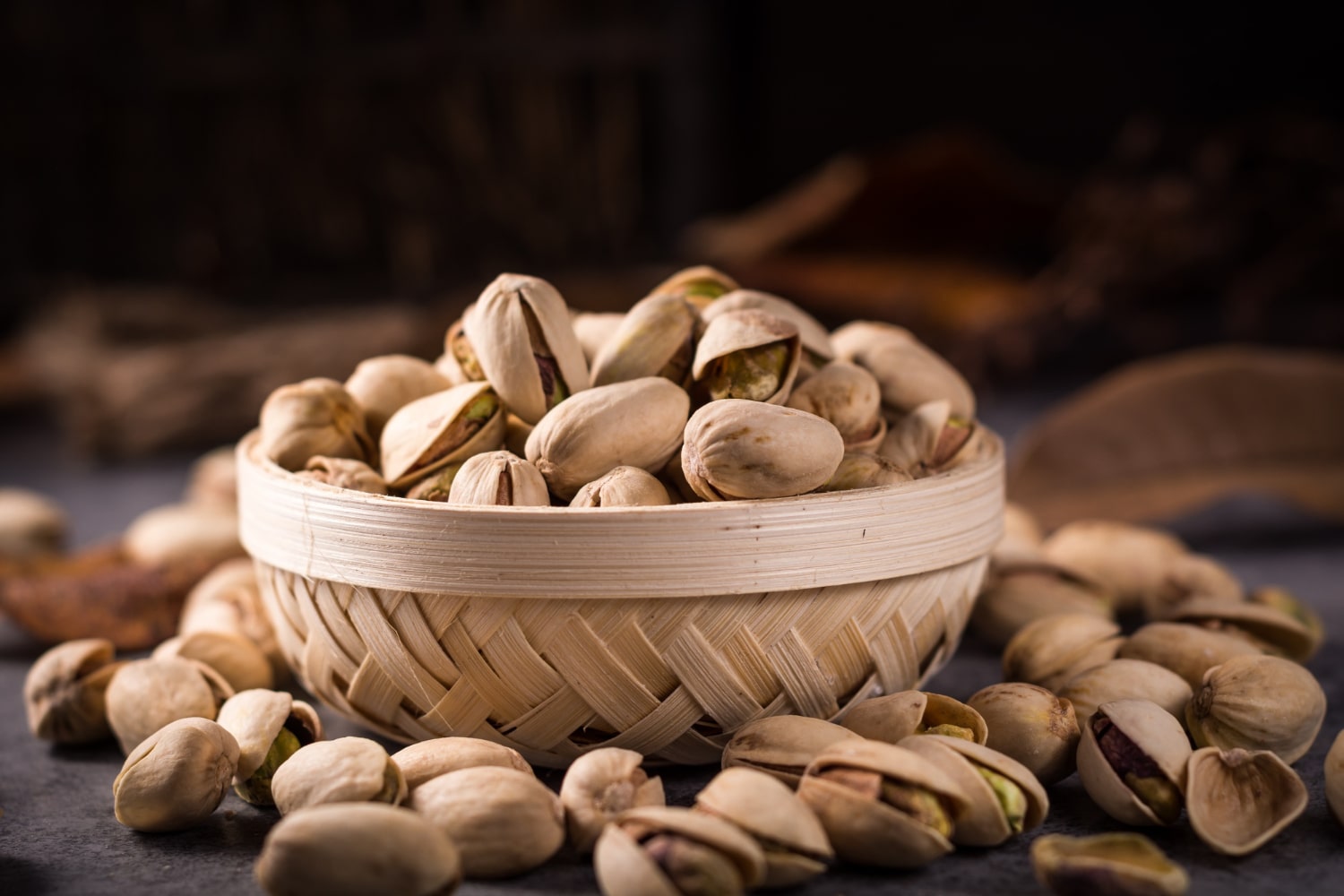
Pistachios may seem like a familiar snack, yet behind their distinctive flavor and simple appearance lies a remarkably rich story. Interesting facts about pistachios reveal that they are far more than just nuts and represent a unique blend of history, biology, and culture. Incredible facts about their origin, cultivation, and characteristics often surprise even those who eat them regularly. Fascinating facts help uncover why pistachios have remained valuable for thousands of years. You may not have known how exceptional this product truly is on a global scale.
- Pistachios are considered one of the oldest nuts consumed by humans. Archaeological evidence shows that people were eating pistachios more than nine thousand years ago. They were known in the regions of the Middle East long before the invention of writing. This long history places pistachios among the earliest cultivated food sources.
- The pistachio tree is known for its extraordinary longevity. Some trees continue to produce nuts for more than three hundred years. As the tree matures, its yield can remain stable or even increase. This makes pistachios a crop associated with long-term agricultural planning.
- Pistachios do not grow on bushes but on full-sized trees. These trees can reach heights of up to ten meters. Their root systems grow deep into the soil and are exceptionally strong. This structure allows pistachio trees to survive in dry and harsh environments.
- Pistachio trees are dioecious plants. This means that male and female flowers grow on separate trees. Successful nut production requires cross-pollination between them. Without the proper balance of male and female trees, yields remain very low.
- Pistachios ripen under extremely hot climatic conditions. They require long, hot summers combined with cool winters. This contrast is essential for the proper development of the nut kernel. As a result, pistachios can only be grown in a limited number of regions worldwide.
- The natural color of pistachio kernels is a rich green. This shade is caused by a high concentration of chlorophyll. The brighter the green color, the higher the perceived quality of the nut. Color is also considered an indicator of freshness.
- The shell of a pistachio opens naturally as the nut ripens. This process occurs without mechanical intervention. Very few other nuts share this characteristic. An open shell is widely seen as a natural sign of maturity.
- Pistachios contain a high amount of plant-based protein. In this regard, they outperform many other types of nuts. Because of this, pistachios are often included in vegetarian and plant-based diets. They help support nutritional balance without animal products.
- Pistachios are rich in dietary fiber. Fiber contributes to healthy digestion and gut function. Regular consumption can help maintain a feeling of fullness for longer periods. This makes pistachios a popular choice in balanced eating habits.
- Pistachios are a valuable source of healthy fats. These fats support normal cholesterol levels in the blood. They play an important role in maintaining cardiovascular health. For this reason, pistachios are often described as heart-friendly food.
- In ancient times, pistachios were regarded as food reserved for nobility. They were consumed mainly by rulers and wealthy families. In some cultures, ordinary people were forbidden to harvest them. This exclusivity reflected their high value in the past.
- Pistachios are widely used in cuisines around the world. They appear in desserts, sauces, and savory dishes, including meat-based recipes. Pistachios can enhance both sweet and salty flavors. Their versatility makes them highly valued by chefs.
- Pistachio paste is commonly used in the production of ice cream and creams. It provides a distinctive taste and a natural green color. This ingredient is especially popular in Mediterranean cuisine. There it is considered a refined delicacy.
- Pistachios contain natural antioxidants. These compounds help reduce the impact of free radicals in the body. Antioxidants support cellular protection and overall health. For this reason, pistachios are often classified as functional foods.
- A pistachio tree does not begin producing nuts immediately after planting. The first harvest usually appears only after seven to ten years. Full productivity is reached much later. This slow development requires patience from growers.
- In many regions, pistachios are harvested at night. During the daytime, the leaves release aromatic substances. These compounds can cause dizziness or discomfort in workers. Night harvesting is considered safer and more comfortable.
- Pistachios play an important role in confectionery art. They are added to cakes, chocolates, and various baked goods. Pistachios enhance both flavor and visual appeal. Their green color gives desserts an elegant appearance.
- Pistachios can be stored for long periods under proper conditions. Their shell protects the kernel from external damage. When kept in low humidity, they maintain quality for an extended time. This makes pistachios convenient for transportation and trade.
Pistachios are a clear example of how a natural product can combine flavor, nutritional value, and deep historical roots. Interesting facts show that they are not just a casual snack but the result of thousands of years of interaction between humans and nature. Incredible and fascinating facts reveal pistachios as a symbol of resilience and long-lasting value. You may not have known many of these details, yet they are exactly what makes pistachios truly special.


