
Kuwait is a small but extraordinarily wealthy nation on the north-western coast of the Persian Gulf that amazes with its contrasts and unique history. This country, whose area is smaller than some of the world’s megacities, possesses one of the largest oil reserves on the planet and has one of the highest GDP per capita figures. You may not have known that Kuwait combines ancient Bedouin traditions with ultra-modern architecture and world-class infrastructure. Fascinating facts about this Arab state will reveal to you the history of a country that survived occupation, rose from the ashes, and became one of the most developed centres of the Middle East.
- Kuwait is one of the hottest countries on Earth, where temperatures regularly exceed 50 degrees Celsius in summer. In July 2016, a temperature of 54 degrees Celsius was recorded in the city of Mitribah, which became one of the highest readings ever registered on the planet. Due to the extreme heat, most of life in the country is concentrated in air-conditioned premises. Even bus stops in Kuwait are equipped with air conditioning for passenger comfort.
- The country’s name comes from an Arabic word meaning a fortress or small fortification near water. Historically, this settlement was an important trading point on the caravan route between Mesopotamia and the Arabian Peninsula. The city of Kuwait was founded in the 18th century as a fishing settlement and port for the pearl trade. Over time, it transformed into the capital of an independent state and one of the most modern cities in the region.
- Kuwait possesses approximately six percent of the world’s oil reserves, making it one of the richest hydrocarbon countries in the world. The oil industry provides about 90 percent of the country’s export revenues and over 40 percent of gross domestic product. The Burgan field in Kuwait is the second largest oil field in the world after Saudi Arabia’s Ghawar. Oil extraction began in the country in 1938, but commercial export only started after the Second World War.
- During the Iraqi occupation in 1990-1991, Saddam Hussein’s forces set fire to more than 700 oil wells in Kuwait. The fires burned for nearly ten months and caused an environmental catastrophe of unprecedented scale. Specialists from around the world were brought in to extinguish the fires, including the legendary American expert Red Adair. The consequences of this environmental disaster were felt in the region for many years after the war ended.
- Kuwait has one of the highest GDP per capita figures in the world, exceeding 30 thousand US dollars. Citizens of the country enjoy free education and healthcare, as well as receiving significant subsidies for housing and utilities. The government does not levy income tax on individuals, making the country attractive to foreign workers. Kuwaitis also receive generous wedding grants and assistance upon the birth of children.
- The Kuwaiti dinar is the most expensive currency in the world by exchange rate to the US dollar. One Kuwaiti dinar is worth approximately 3.25 US dollars, making it significantly more valuable than the British pound or euro. This high currency value is maintained by the country’s enormous oil revenues and conservative monetary policy. The Kuwaiti dinar was introduced into circulation in 1961 after the country gained independence from Great Britain.
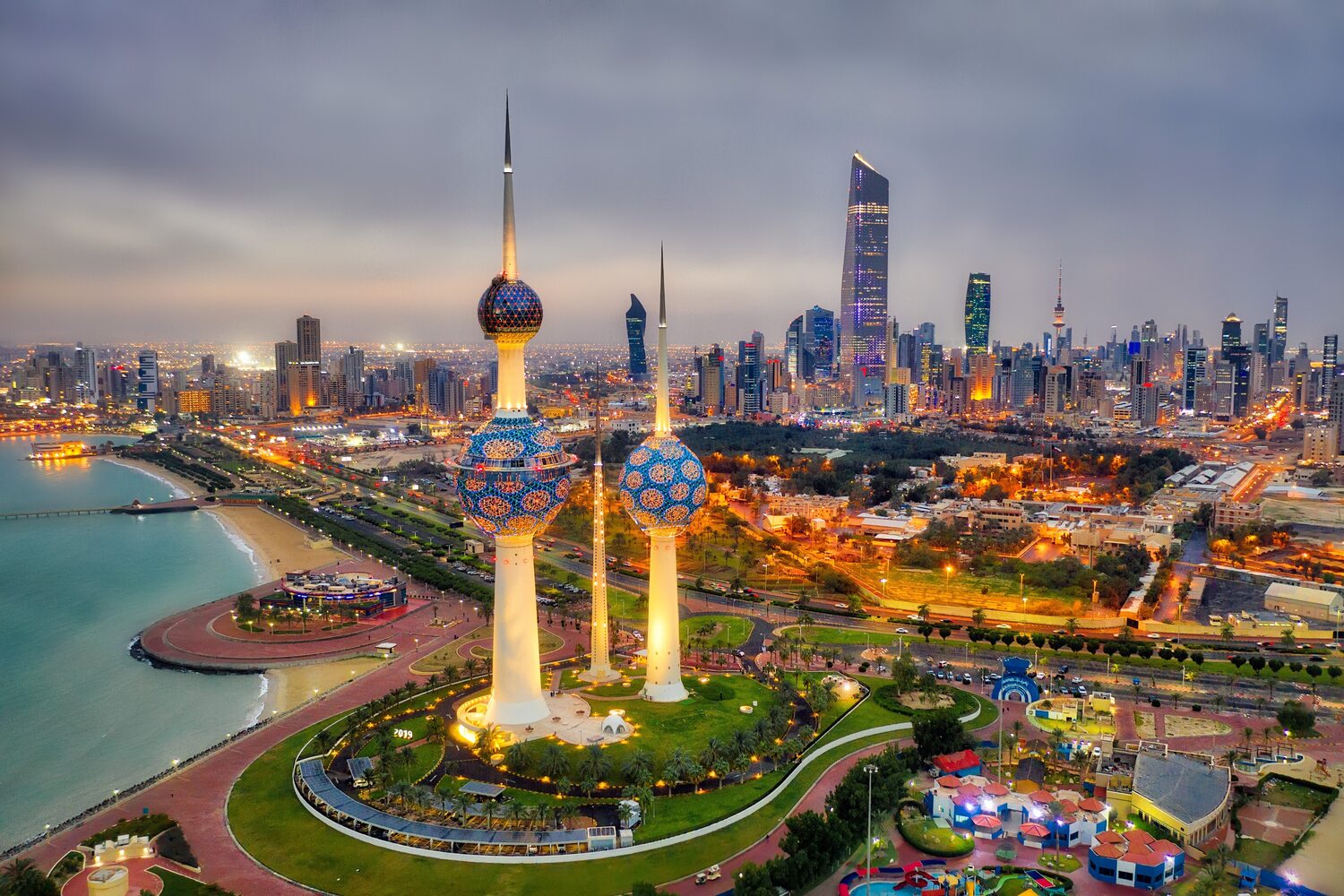
- The Kuwait Towers are the most famous architectural landmark of the country and a symbol of its modernity. The complex consists of three towers of different heights, the tallest of which reaches 187 metres. The towers were built in 1979 by Swedish architects and received the Aga Khan Award for Architecture. During the Iraqi occupation, the towers were damaged, but after liberation they were fully restored.
- Kuwait was the first Arab country in the Persian Gulf to create an elected parliament as early as 1963. The National Assembly of Kuwait consists of 50 elected deputies and possesses real legislative powers. Women gained the right to vote and stand for election only in 2005 after a long struggle for political rights. In 2009, four women were elected to the country’s parliament for the first time.
- Fresh water in Kuwait is more valuable than oil due to the almost complete absence of natural drinking water sources. The country is entirely dependent on desalination of seawater, which provides over 90 percent of fresh water needs. Kuwait has some of the largest desalination plants in the world, using advanced reverse osmosis technologies. Daily water consumption per capita in Kuwait is one of the highest in the world.
- Pearl diving was the foundation of Kuwait’s economy until the discovery of oil in the 20th century. Kuwaiti pearls were considered among the finest in the world and were exported to India, Europe, and Africa. The pearl harvesting season lasted from June to September, when thousands of divers would go out to sea in traditional boats. The invention of cultured pearls by Japanese entrepreneur Kokichi Mikimoto in the 1920s destroyed this industry.
- Kuwait has an extremely young population, with over 70 percent of residents being younger than 35 years old. Foreigners make up approximately 70 percent of the country’s population, working mainly in the oil industry, construction, and service sector. The majority of expatriates come from India, Egypt, Bangladesh, and the Philippines. This demographic structure creates unique cultural and social challenges for Kuwaiti society.
- Kuwaiti cuisine represents a unique combination of Arab, Persian, Indian, and Mediterranean culinary traditions. The national dish is considered to be machboos, an aromatic rice with meat seasoned with spices and dried fruits. Seafood, especially prawns and hamour fish, occupies an important place in the diet of Kuwaitis due to proximity to the sea. The traditional Arab coffee ritual with dates remains an integral part of hospitality.
- Kuwait has created one of the largest sovereign wealth funds in the world to preserve oil revenues for future generations. The Kuwait Investment Authority manages assets worth over 700 billion US dollars. The fund was established as early as 1953, becoming one of the first such funds in the world. The funds are invested in shares, real estate, and bonds throughout the world.
- Failaka Island in Kuwait Bay has a rich archaeological heritage dating back to the Bronze Age. Archaeologists have discovered here the remains of an ancient Greek temple from the time of Alexander the Great. The island was inhabited by the Dilmun civilisation over four thousand years ago and served as an important trading centre. During the Gulf War, the island’s population was evacuated, and it remains sparsely populated to this day.
- Kuwait is one of the world leaders in energy consumption per capita due to the constant use of air conditioning. Electricity for citizens is subsidised by the state and costs significantly less than market prices. Peak load on the electrical grid occurs during the summer months when air conditioners operate around the clock. The government is developing programmes for energy efficiency and the development of renewable energy sources.
- The Kuwait National Museum houses a unique collection of Islamic art and artefacts from the history of the region. During the Iraqi occupation, a significant portion of the collection was taken to Baghdad, but later returned. The museum also contains an exhibition dedicated to traditional maritime industries and pearl diving. The planetarium at the museum is one of the most modern in the Middle East.
- Kuwait is actively developing its financial services sector and strives to become a regional banking centre. Islamic banking, which operates according to Sharia principles without charging interest, occupies a significant share of the financial market. The Kuwait Stock Exchange is one of the oldest in the Middle East, founded in 1977. The country attracts investment thanks to its stable political system and transparent regulation.
- Camel racing is a traditional sport in Kuwait that attracts thousands of spectators. Modern races use robot jockeys instead of child labour, which was banned for ethical reasons. Prize camels can cost millions of dollars and are a matter of prestige for wealthy Kuwaitis. The racing season falls during the cool winter months when temperatures allow competitions to be held.
Incredible facts about Kuwait demonstrate how a small desert country, thanks to natural resources and far-sighted policies, has transformed into a prosperous state with a high standard of living. From ancient pearl diving to modern skyscrapers, the history of Kuwait is an example of rapid transformation and adaptation to the challenges of the times. These captivating details reveal the multifaceted nature of a country that has managed to preserve its traditions while simultaneously becoming an integral part of the global economy.


