
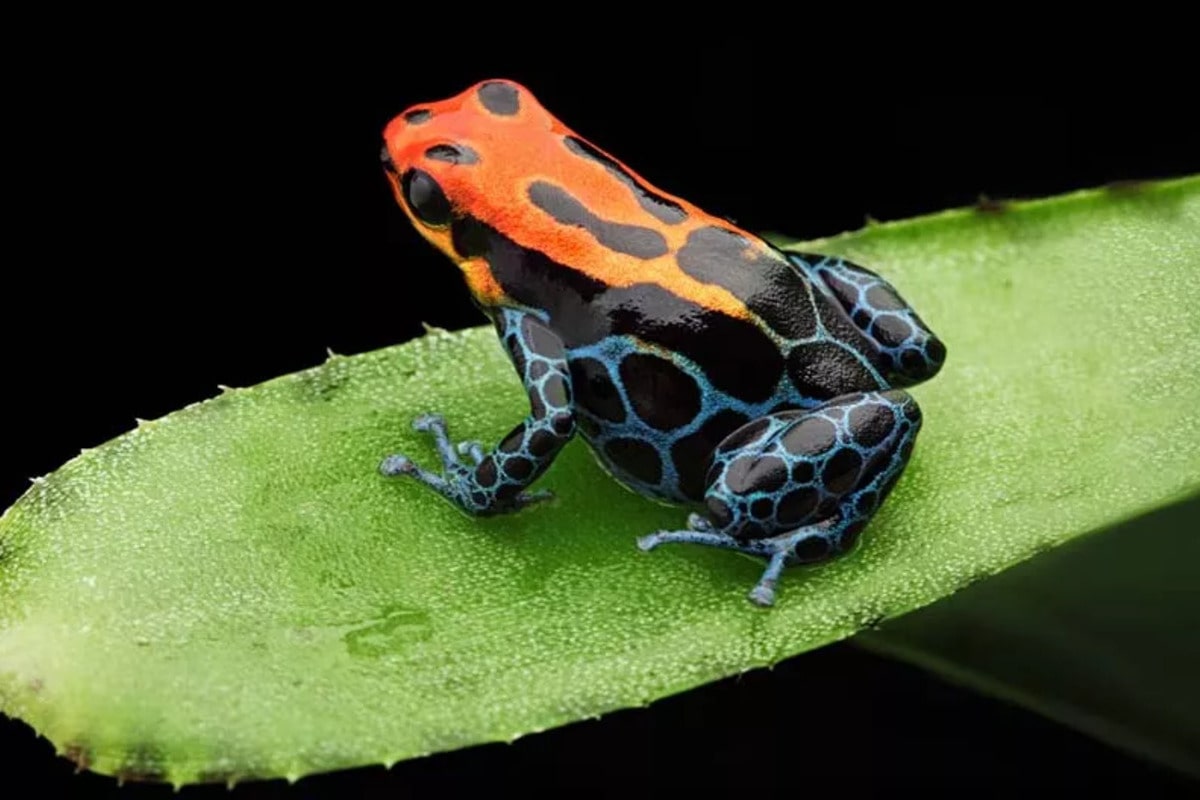
Tree climbers are among the most colorful and remarkable inhabitants of tropical rainforests, instantly drawing attention with their vivid appearance and unusual behavior. These small amphibians combine beauty, danger, and highly specialized survival strategies. Many of their traits are so extraordinary that they continue to fascinate scientists and nature enthusiasts alike. For this reason, interesting facts about tree climbers often appear in scientific research and popular science materials. Below you will find fascinating facts about these animals that you may not know.
- Tree climbers are small frogs, with most species measuring between two and five centimeters in length. Despite their tiny size, they play an important role in tropical ecosystems. These amphibians are found mainly in Central and South America. The greatest diversity of species occurs in the rainforests of the Amazon Basin.
- The name tree climbers comes from their ability to move easily across vertical surfaces. Specialized adhesive pads on their toes allow them to cling securely to leaves, branches, and tree trunks. This adaptation makes it easier for them to escape predators. It also helps them access food sources in elevated areas.
- Many species of tree climbers display extremely bright and contrasting colors. Their coloration may include yellow, blue, red, green, or combinations of several hues. These colors do not serve as camouflage. Instead, they act as a warning signal to potential predators.
- The skin of tree climbers contains powerful toxic substances. In some species, even a very small amount of toxin can be lethal to small animals. The golden tree climber is particularly famous for possessing one of the strongest natural poisons known. Remarkably, the frogs themselves are immune to their own toxins.
- The poison found in these frogs is not produced directly by their bodies. It accumulates as a result of their diet, which consists mainly of ants, mites, and other small invertebrates. These prey items contain chemical compounds that become toxins in the frogs’ skin. When raised in captivity, tree climbers gradually lose their toxicity due to changes in diet.
- Indigenous peoples of South America have long used the poison of tree climbers for hunting. They applied it to the tips of arrows or darts. This practice made it possible to hunt efficiently and bring down prey quickly. Because of this, the frogs became widely known beyond their natural habitat.
- Tree climbers are primarily active during the daytime. Unlike many other amphibians, they do not rely on darkness for protection. Their bright coloration is clearly visible in daylight. This diurnal lifestyle is closely linked to their warning colors.
- These frogs feed mainly on small insects and other invertebrates. Ants and termites form a large part of their diet. By consuming these insects, tree climbers help regulate insect populations. This contributes to ecological balance within the rainforest.
- Tree climbers exhibit complex forms of parental care. In many species, one of the parents carries tadpoles on its back. The tadpoles are transported to safe water sources. These are often small pools of water collected in plant leaves.
- Some species lay their eggs in extremely small and isolated water bodies. Even tiny reservoirs formed in bromeliad plants can serve this purpose. This strategy reduces the risk of eggs being eaten by predators. However, it requires constant attention from the parents.
- In certain species, females feed their tadpoles with unfertilized eggs. This behavior is rare among amphibians. It provides the developing young with essential nutrients. As a result, their chances of survival increase significantly.
- Tree climbers rely heavily on vocal communication. Males produce distinct calls to establish and defend their territory. These calls are also used to attract females. Each species has its own unique vocal patterns.
- Territorial behavior is strongly developed in tree climbers. Males actively defend their chosen areas from rivals. Most conflicts involve visual displays and vocal signals rather than physical combat. Direct fighting is uncommon.
- In the wild, tree climbers usually live for only a few years. Under controlled conditions in captivity, they can live much longer. Some individuals are known to reach ten years of age. This is considered a long lifespan for such small amphibians.
- Tree climbers are extremely sensitive to environmental changes. Deforestation and habitat destruction pose serious threats to their survival. They depend on stable humidity and temperature levels. As a result, many species are now endangered.
- Scientists study tree climbers for their unique chemical compounds. Their toxins are being researched for potential medical applications. Some substances may have pain-relieving properties. This research opens promising possibilities for medicine.
- Despite their toxic reputation, tree climbers do not attack humans. Their poison serves purely as a defensive mechanism. Encounters with people in the wild are rare. Danger arises only through careless handling.
- Tree climbers are sometimes kept in terrariums. They are valued for their striking colors and interesting behavior. However, they require very specific environmental conditions. Without proper care, they can become ill quickly.
- Tree climbers have become symbols of tropical rainforest biodiversity. They are often featured in conservation programs. These animals help raise awareness about environmental protection. Even such small creatures play a major role in preserving ecosystems.
Tree climbers clearly demonstrate how complex and diverse the natural world can be, and interesting facts about them highlight this perfectly. Their remarkable characteristics connect evolution, ecology, and human curiosity. Fascinating facts about tree climbers encourage a deeper appreciation of even the smallest species in nature. Protecting such animals means protecting the delicate balance of entire ecosystems.


