
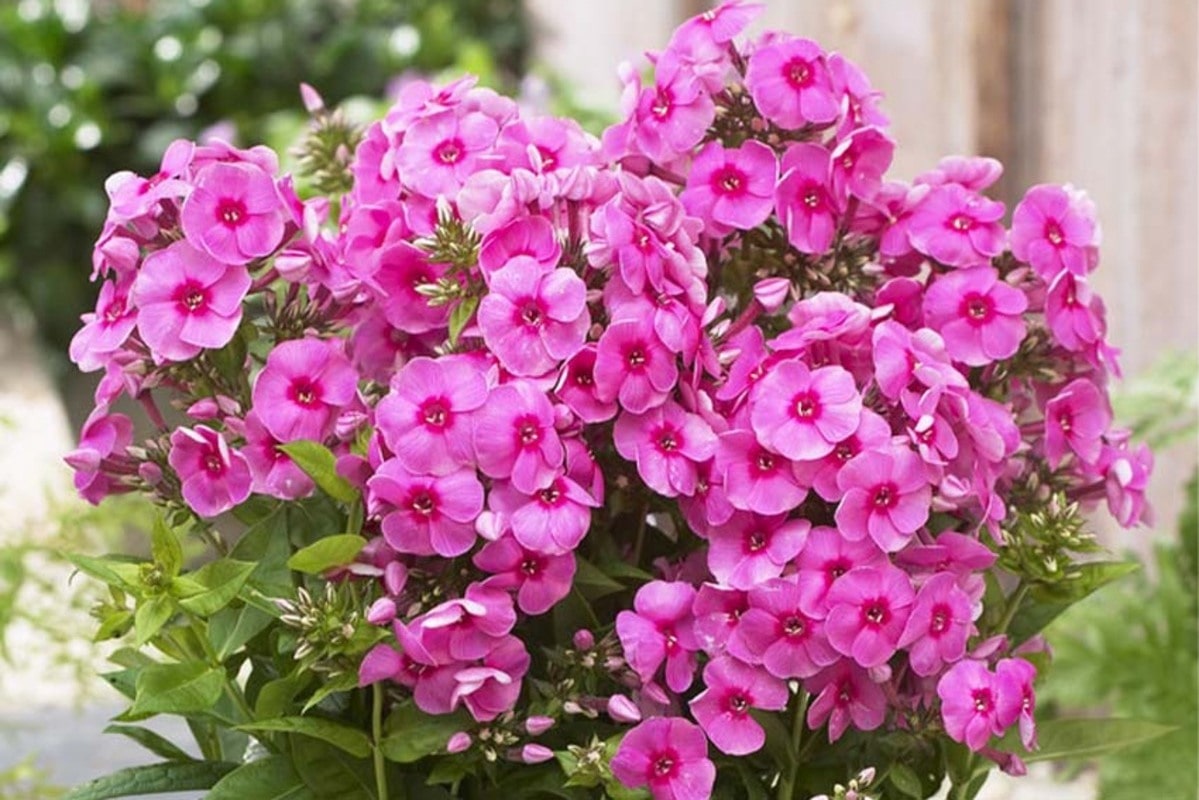
Phlox are some of the most beloved garden flowers, about which you may not have known countless fascinating things. These bright and fragrant plants adorn gardens around the world with their lush inflorescences and charming scent. From their American origin to the incredible variety of cultivars, phlox conceal amazing botanical features and interesting history. These perennial beauties are capable of transforming any corner of the garden into a true paradise thanks to their unpretentious nature and prolonged blooming. Discover the most interesting facts about these incomparable flowers that deservedly enjoy the love of gardeners.
- The name phlox comes from the Greek word “phlox”, which means “flame”. This name was given to the plant because of the bright red and orange flowers of some wild species that resembled flames. Carl Linnaeus, the great Swedish botanist, officially established this name for the genus in the 18th century.
- Phlox are purely American plants and in the wild are found exclusively in North America. Of more than 70 species of phlox, only one species naturally grows outside the American continent, in Siberia. Native Americans used phlox for medicinal purposes long before the arrival of Europeans on the continent.
- Phlox have one of the strongest and most pleasant fragrances among garden flowers. Their scent is especially intense in the evening and at night, which helps attract nocturnal pollinators, particularly hawk moths. Some varieties have an aroma reminiscent of a mixture of vanilla, cloves, and honey.
- There are over 1,500 varieties of phlox bred by breeders from different countries around the world. The color palette ranges from snow white to dark purple, including all shades of pink, red, lilac, and crimson. The only color that does not exist in phlox is yellow, since their genes lack the pigment responsible for this shade.
- Phlox are divided into two main groups according to blooming time: spring and summer. Spring phlox, such as creeping phlox, bloom in April and May and are low-growing ground cover plants. Summer phlox, particularly garden phlox, reach heights of up to 120 centimeters and bloom from July to September.
- Creeping phlox creates true carpets of flowers in spring and is often used for decorating rock gardens. This plant received its name because of sharp leaves resembling awls or needles. One bush can spread over an area of up to one square meter, completely covering the ground.
- Phlox are favorite flowers of hummingbirds and butterflies, making them an excellent choice for creating a wildlife garden. The tubular shape of the flowers is perfectly suited for the long proboscises of these insects. By planting phlox, you automatically invite numerous beneficial pollinators to your garden.
- In the Victorian era, phlox symbolized unity of souls and harmony in relationships. A gift in the form of a bouquet of phlox meant an offer of friendship or a desire to strengthen existing bonds. In the language of flowers, phlox were also associated with sweet dreams and pleasant memories.
- Phlox proved extremely popular in 19th-century Tsarist Russia and quickly spread throughout the empire. Russian breeders developed many unique varieties, some of which are still considered classics today. Phlox gained particular affection in noble estates and monastery gardens.
- Phlox can grow in one place without transplanting for up to 15 years with proper care. However, to maintain decorativeness, it is recommended to divide bushes every 5-7 years. During division, one bush can yield up to 10-15 new full-fledged plants.
- Phlox have a unique ability for self-cleaning: wilted flowers fall off independently without spoiling the overall appearance of the inflorescence. This significantly facilitates plant care and allows them to look neat without constant gardener intervention. The inflorescence continues blooming from bottom to top for 4-6 weeks.
- Phlox roots release special substances that improve soil structure and enrich it with organic matter. These plants are excellent neighbors for most garden crops and do not suppress their growth. Phlox can even help other plants better absorb nutrients from the soil.
- Phlox are extremely frost-resistant and can withstand temperatures down to minus 35 degrees Celsius without cover. Their root system winters in the soil and produces vigorous shoots in spring. It is precisely thanks to this frost resistance that phlox have become favorites of gardeners in northern regions.
- In traditional medicine, the roots of some phlox species were used as a remedy for stomach disorders. Native American tribes prepared decoctions from phlox roots to treat various ailments. Modern medicine does not use phlox for therapeutic purposes but studies their potential beneficial properties.
- Phlox are excellent for cutting and can stand in a vase for up to two weeks. Moreover, they continue to open buds after cutting if you trim the stems at an angle and change the water daily. Bouquets of phlox fill the room with a wonderful aroma and create a festive atmosphere.
- Breeders continue to work on creating new varieties of phlox with improved characteristics. Particular attention is paid to breeding varieties resistant to powdery mildew, the main disease of these plants. Modern hybrids combine the beauty of classic varieties with increased disease resistance.
Phlox continue to enchant gardeners with their beauty, fragrance, and unpretentious nature, remaining among the most popular perennials. Incredible facts about these flowers show that behind their simple beauty lies rich history and interesting botanical features. These wonderful plants deserve an honored place in every garden, where they will delight with their blooming for many years in succession.


