
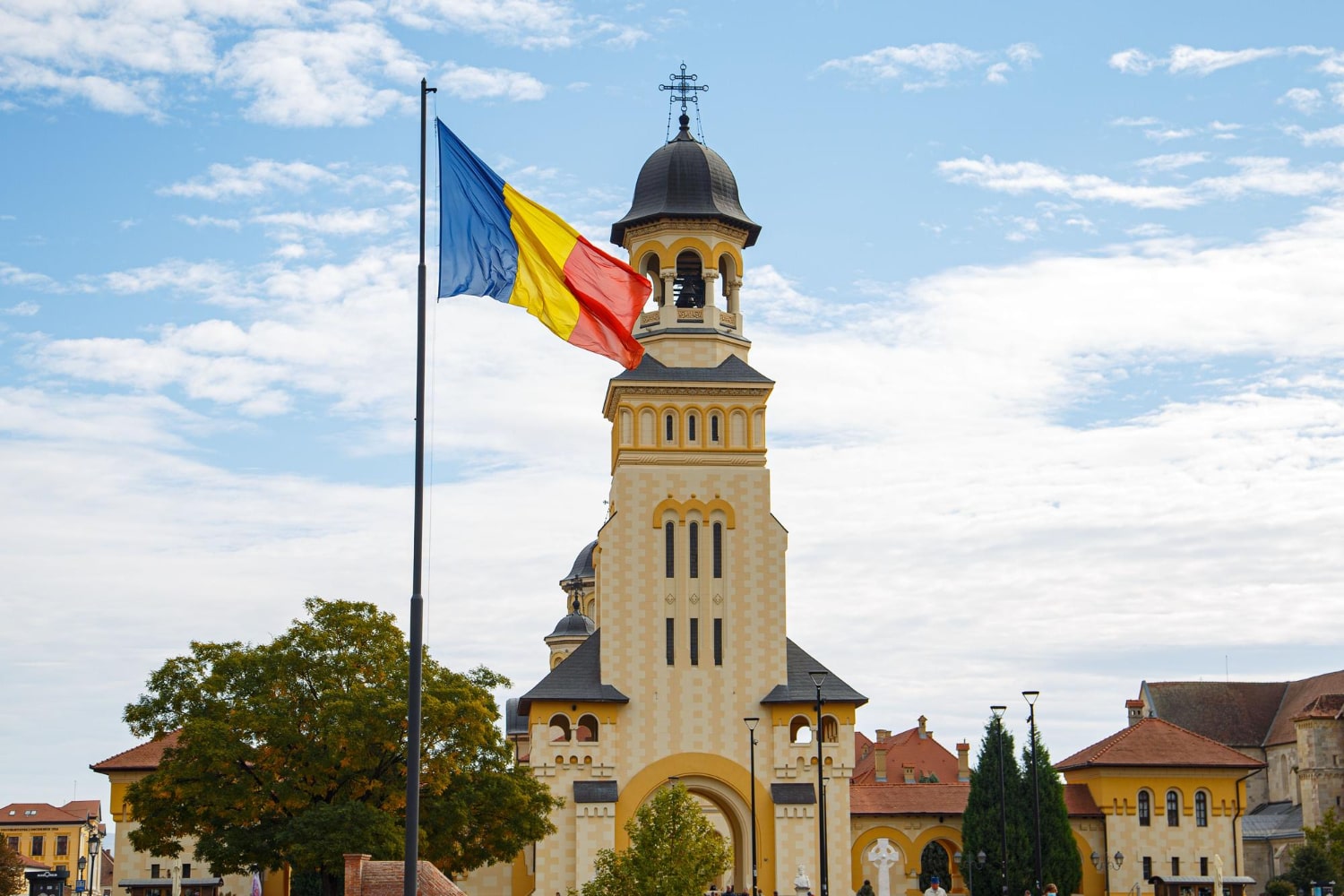
Romania is a unique European country about which you may not have known countless fascinating things. This state at the crossroads of Central and Southeastern Europe combines rich history, distinctive culture, and impressive natural landscapes. From the legendary Dracula to the fastest internet in Europe, Romania constantly surprises with its contrasts and peculiarities. Located on the shores of the Black Sea and in the heart of the Carpathian Mountains, this country preserves traditions rooted in ancient times. Discover the most interesting facts about this incredible country that deserves significantly greater attention.
- Romania has one of the fastest internet connections in the world and regularly ranks first in global speed ratings. The average internet speed in the country exceeds the indicators of most Western European states. This achievement is explained by massive investments in telecommunications infrastructure after the fall of the communist regime and high competition among providers.
- The Romanian language is the only Romance language in Eastern Europe and originates from the Latin of Roman colonists. Despite long-term proximity to Slavic peoples, Romanian has preserved its Romance foundation and shares approximately 77 percent of common vocabulary with Italian. Romanians can understand Italians, Spaniards, and Portuguese quite easily without special training.
- Bran Castle, known as Dracula’s Castle, is one of Romania’s most famous tourist attractions. Although the historical Vlad the Impaler probably never lived in this castle permanently, literature and the film industry have firmly linked it with the vampire image. Hundreds of thousands of tourists from around the world visit the castle annually, seeking to touch the legend.
- Romania is home to the largest parliament building in Europe and the second-largest administrative building in the world after the Pentagon. The Palace of Parliament in Bucharest has an area of 365,000 square meters and contains over 3,000 rooms. The palace’s construction during dictator Ceausescu’s time cost the country billions of dollars and required the demolition of a significant part of the capital’s historic center.
- Romania is home to one of the best-preserved ecosystems in Europe with the largest population of brown bears on the continent. Approximately 6,000 brown bears live in the Carpathian Mountains, representing nearly half of the entire European population of these animals. The country also has significant populations of wolves and lynxes, which are rarely found in other European countries.
- The Danube Delta in Romania is the second-largest and best-preserved river delta in Europe after the Volga. This unique ecosystem is included in the UNESCO World Heritage List and is home to over 300 bird species and 45 freshwater fish species. The delta extends over an area of more than 5,600 square kilometers and continues to grow thanks to Danube sediments.
- Romania became a member of the European Union in 2007 along with Bulgaria. This membership significantly influenced the country’s economic development and opened Romanians’ access to the European labor market. However, the country is still not part of the Schengen Area, although it meets all technical requirements for joining.
- In ancient times, the territory of modern Romania was the center of the Dacian Kingdom, which the Romans conquered at the beginning of the 2nd century AD. Roman Emperor Trajan immortalized his victory over the Dacians on the famous Trajan’s Column in Rome. This historical event laid the foundation for the formation of the Romanian people through the mixing of Roman colonists with the local Dacian population.
- Romania is one of the largest oil producers in Europe and was one of the first countries in the world where industrial oil extraction began in 1857. The city of Ploiesti became the center of the oil industry and during World War II was a strategic target for bombing. Today, the oil industry remains an important part of the Romanian economy.
- Transylvania, Romania’s most famous region, occupies approximately one-third of the country’s territory and is known not only for Dracula legends. This region has rich German heritage thanks to Saxon colonists who arrived here in the 12th century. Medieval fortified churches and Saxon castles are included in the UNESCO World Heritage List.
- Romanian cuisine combines influences of Turkish, Hungarian, Slavic, and Greek culinary traditions. The national dish sarmale, cabbage rolls, is prepared in practically every Romanian family for holidays. Meat dishes are often served with mamaliga, cornmeal porridge, which is the traditional side dish instead of bread.
- Romania is home to the world’s longest glacier cave, Scarisoara Cave, which contains a glacier over 3,500 years old. The temperature inside the cave never rises above zero degrees, allowing the ancient ice to be preserved. Scientists study this glacier to obtain information about climatic changes of past millennia.
- Romania has one of the highest levels of home ownership in Europe, with approximately 96 percent of Romanians owning their own homes. This indicator is a legacy of the communist era when the state massively distributed apartments to citizens. Even after transitioning to a market economy, Romanians have maintained the tradition of home ownership.
- Romania’s capital Bucharest was once called “Little Paris” or “Paris of the East” due to its elegant architecture and wide boulevards. In the early 20th century, the city truly resembled the French capital with its Belle Époque mansions and cultural life. Many of these historic buildings have survived to the present day, despite the destruction of the communist era.
- Romania is one of Europe’s leading countries in winemaking with a wine history spanning over 4,000 years. The country has an ideal climate for growing grapes and produces various wine varieties. White wines from the Cotnari region are particularly valued and compared with the world’s best specimens.
- Romania has a unique “Merry Cemetery” in the village of Sapanta, where gravestones are decorated with bright colors and humorous epitaphs. Instead of traditional mourning, this cemetery reflects an optimistic view of death and life. Each wooden cross is painted with naive drawings telling the story of the deceased’s life.
Romania continues to impress with its wealth and diversity, combining ancient history with modern achievements. Incredible facts about this country show that it deserves much greater attention from travelers and researchers. From pristine natural landscapes to technological innovations, Romania offers a unique experience that cannot be found in any other European country.


