
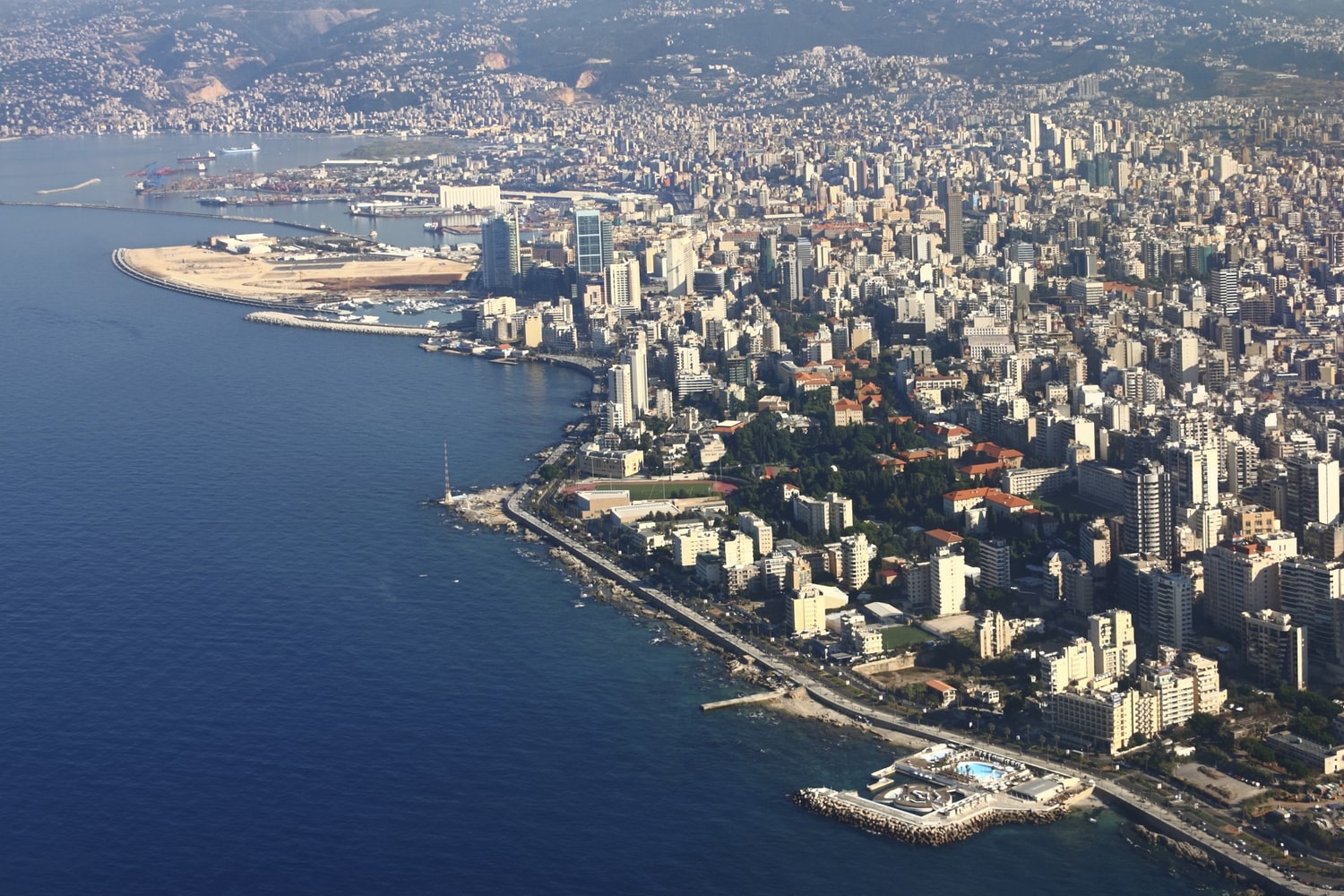
Lebanon is a country that manages to surprise visitors from the very first encounter and continues to do so with every new discovery. Ancient civilizations, diverse religions, dramatic landscapes, and modern urban life coexist here in a remarkably compact space. Interesting facts about Lebanon often challenge common assumptions about the Middle East and reveal a far more complex reality. Many incredible facts are connected to the country’s history, culture, and everyday life, and you may not know them at all. This collection of fascinating facts offers a deeper and more thoughtful look at Lebanon.
- Lebanon is considered one of the oldest continuously inhabited regions in the world. Archaeological evidence shows that humans lived on this land more than seven thousand years ago. Numerous civilizations passed through this territory, including the Phoenicians, Romans, Byzantines, Arabs, and Ottomans. Each period left behind cities, temples, and lasting cultural traditions.
- The ancient civilization of Phoenicia, located in what is now Lebanon, gave the world one of its first alphabets. The Phoenician writing system became the foundation for the Greek alphabet and later for the Latin one. As a result, many modern written languages are indirectly connected to this region. This contribution has had a profound impact on global communication.
- A remarkable number of religious communities coexist within Lebanon’s small territory. The country officially recognizes eighteen different religious denominations. Christians and Muslims of various branches have lived side by side for centuries. This diversity has shaped a complex and highly distinctive social structure.
- Lebanon’s political system is based on a principle of religious balance. The president is always a Maronite Christian, the prime minister is a Sunni Muslim, and the speaker of parliament is a Shiite Muslim. This arrangement was designed to preserve stability among different communities. It plays a decisive role in the country’s political life.
- Lebanon is one of the few Middle Eastern countries with an ancient tradition of winemaking. Grapes have been cultivated here since Phoenician times, when Lebanese wine was exported across the Mediterranean. Today, local wines regularly receive international awards. Many vineyards are located in mountainous areas, which gives the wines their distinctive character.
- In Lebanon, it is possible to see both the sea and snow in a single day. During winter, mountain resorts offer skiing and snow sports. After a short drive, visitors can reach the Mediterranean coast. This rare combination of landscapes adds to the country’s unique appeal.
- The cedar tree is a national symbol of Lebanon and appears on its flag. Lebanese cedars are mentioned in ancient and biblical texts as sacred trees. Some of them are more than a thousand years old and still grow in the mountains. These forests are carefully protected as a national treasure.
- Beirut was once known as the Paris of the Middle East. In the mid twentieth century, the city was a major center of culture, education, and finance in the region. Art, fashion, and publishing flourished during this period. Despite years of hardship, Beirut has retained its creative and vibrant spirit.
- Lebanese cuisine is considered one of the most diverse in the world. It combines Mediterranean, Arab, and Eastern culinary traditions. Dishes often feature fresh herbs, spices, and olive oil. Food plays a central role in family gatherings and social life.
- Lebanon has one of the largest diasporas in the world relative to its population size. More Lebanese people live abroad than within the country itself. The largest communities can be found in Brazil, Argentina, France, and Canada. The diaspora significantly supports the national economy through financial remittances.
- The ancient city of Baalbek is famous for its massive Roman temples. The stone blocks used in their construction are astonishing in both size and weight. How these blocks were transported in ancient times remains unclear. The site is considered one of the most mysterious archaeological complexes in the world.
- Lebanese people are known for their high level of multilingualism. Many residents speak Arabic, French, and English fluently. In everyday conversation, it is common to mix several languages within a single sentence. This linguistic flexibility developed through history and education.
- Lebanon has not conducted an official population census for many decades. This is связано with the sensitive balance between religious communities. Any demographic shift could affect the political system. For this reason, population figures are based on estimates rather than exact data.
- Despite its difficult past, Lebanon has a dynamic and influential cultural scene. Music, cinema, literature, and contemporary art continue to thrive. Lebanese artists and writers often gain international recognition. Culture serves as a bridge between the country’s past and present.
Lebanon is a land of contrasts where history and modern life constantly intersect. Fascinating facts about this country reveal how rich and layered such a small place can be. Incredible facts highlight cultural depth, resilience, and the ability to adapt through centuries of change. These interesting facts help us see Lebanon not merely as a point on the map, but as a living and complex civilization.


