
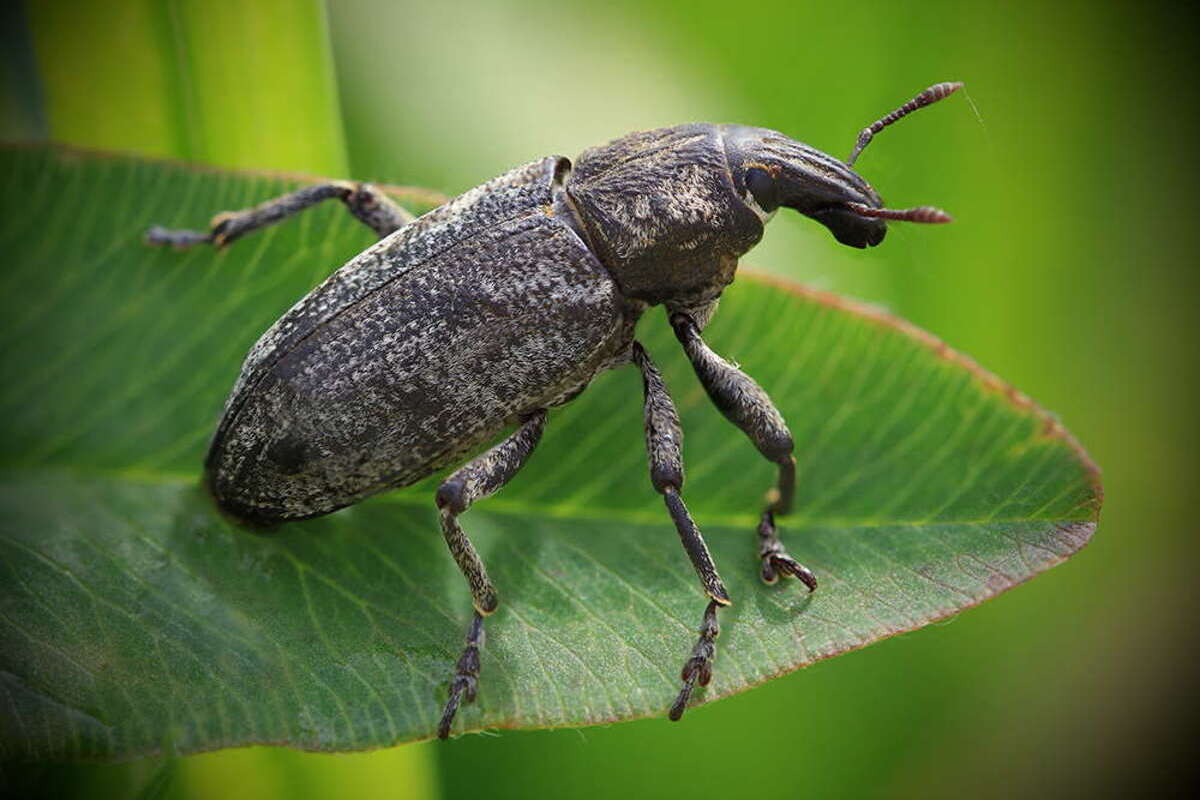
Weevils may look small and unremarkable at first glance, yet behind their modest appearance lies a world full of remarkable adaptations. These beetles often attract the attention of scientists because they combine complex behavior, fascinating evolutionary traits, and surprising survival strategies. You may not know that weevils belong to one of the most diverse groups of animals on Earth. Interesting facts about them help us better understand how tiny creatures can influence large natural systems. Below is a collection that reveals lesser-known and truly engaging aspects of these insects.
- Weevils belong to one of the largest families of beetles in the world. Tens of thousands of species have already been described, and new ones are discovered every year. This immense diversity has allowed them to adapt to a wide range of environments. They can be found from tropical regions to temperate and even cooler climates.
- A defining feature of weevils is their elongated head with a distinctive snout. This structure is used to bore into plant tissues and to deposit eggs. The length and shape of the snout vary greatly depending on the species. Such an adaptation has enabled weevils to exploit many different food sources.
- Many weevils show a very narrow feeding specialization. Some species feed on only one plant species or even a specific part of that plant. This reduces competition with other insects. At the same time, such dependence makes them vulnerable to environmental changes.
- Weevil larvae usually develop inside plant tissues. They may live within seeds, stems, roots, or fruits. This concealed lifestyle protects them from many predators. As a result, plant damage often becomes noticeable only at later stages.
- Certain weevil species are capable of entering a prolonged state of dormancy. During this time, their activity decreases and their metabolism slows down. This ability helps them survive cold periods, droughts, or food shortages. Such incredible facts highlight their high level of adaptability.
- Weevils play an important role in natural ecosystems. They participate in the breakdown of plant material and help regulate the populations of certain plant species. Some species also contribute to the spread of fungi and microorganisms. Even those considered pests can therefore have ecological significance.
- Among weevils, there are species that display complex mating behaviors. Males may compete with one another or perform specific movements to attract females. These behaviors increase the chances of selecting the strongest partner. Such fascinating facts are rarely associated with insects of such small size.
- Some weevils have become serious agricultural pests. They can destroy crops of grains, legumes, and fruit trees. For this reason, humans have developed various methods to protect cultivated plants. At the same time, studying these beetles helps improve our understanding of the balance between nature and agriculture.
- There are weevil species that have lost the ability to fly. Their wings have become reduced or completely nonfunctional. This is often linked to life in stable environments where long-distance movement is unnecessary. It provides a clear example of how environmental conditions shape evolution.
- The coloration of weevils is not always purely camouflage. In tropical regions, species with metallic shine and vivid colors can be found. These colors may serve as warnings to predators or as a means of communication between individuals. You may not know that some weevils look like living natural ornaments.
- Weevils possess well-developed sensory organs. They are capable of detecting plant odors from considerable distances. This ability helps them locate suitable sites for feeding and reproduction. Such sensitivity makes them highly efficient at finding resources.
- In many cultures, weevils have long been associated with spoiled food supplies. They were frequently found in granaries and storage areas. This led to a negative image of these insects in everyday life. A scientific perspective, however, reveals a far more complex biological reality.
- The lifespan of weevils can vary greatly between species. Some live only a few months, while others can survive for more than a year. Environmental conditions and food availability play a major role in this difference. These fascinating facts further emphasize the diversity of this insect group.
- Weevils are actively studied by geneticists and ecologists. They serve as useful models for researching adaptation and interactions with plants. The knowledge gained from such studies is applied in agriculture and nature conservation. Their scientific value is far greater than their reputation as simple pests might suggest.
Interesting facts about weevils show that even the smallest creatures can have complex lives and significant importance. Incredible facts from their world reveal the depth of evolutionary processes and ecological connections. Engaging facts help us understand how seemingly insignificant beetles influence entire ecosystems. You may not know how much learning about such insects can change our view of the natural world and its delicate balance.


