
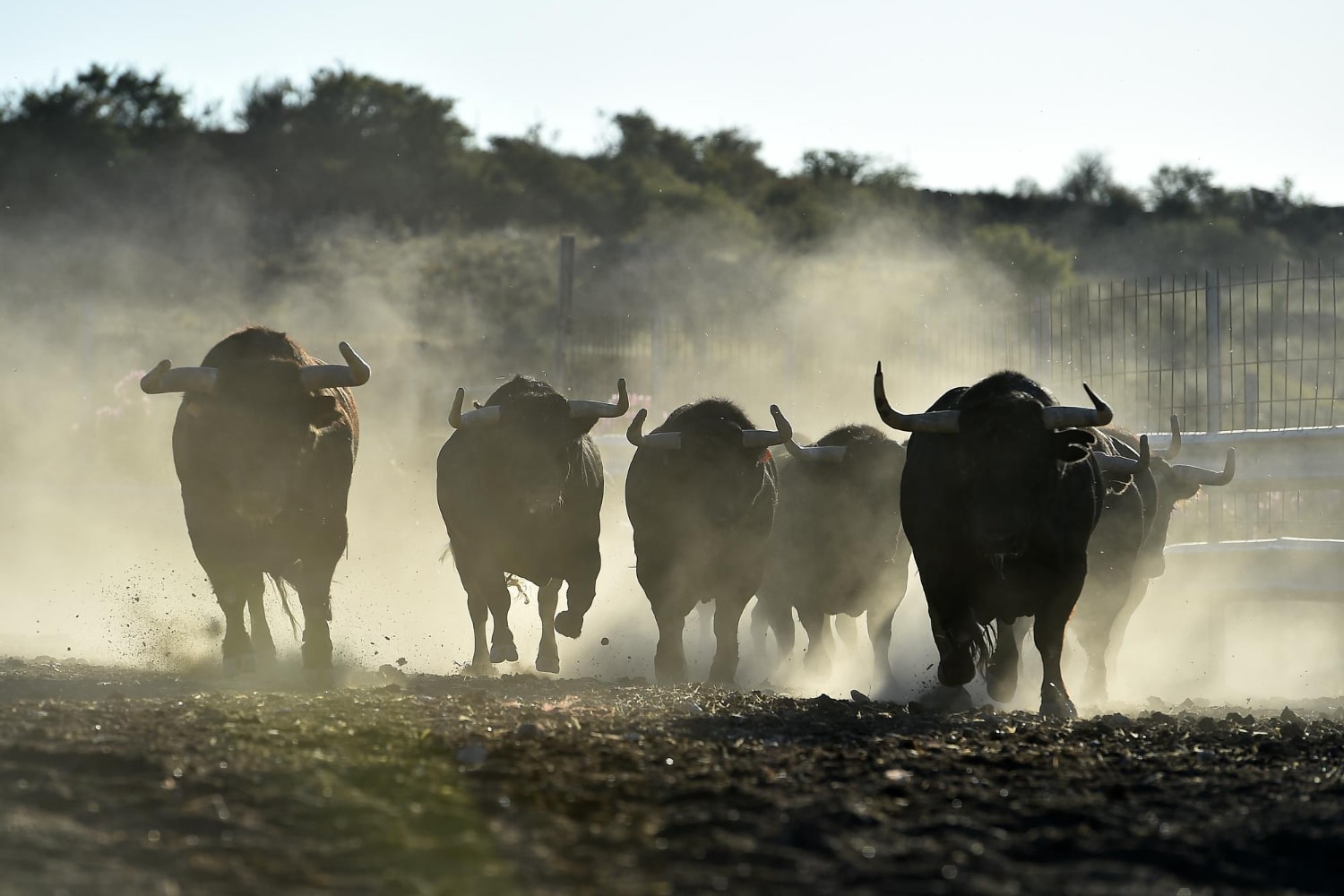
Bulls are among the most influential animals in human history, having played a key role in the development of civilizations for millennia. These powerful animals have always commanded respect and admiration with their strength, endurance and complex behavior. Incredible facts about bulls reveal to us a world full of unexpected discoveries about their physiology, intelligence and interaction with humans. From ancient cults to modern agriculture, bulls remain an integral part of human culture and economy. Get ready to learn fascinating details about these magnificent animals, as you might not have known most of these astonishing features.
- Bulls have exceptional color vision and can distinguish most colors, contrary to the popular myth about their blindness to red. Matadors use red fabric not because bulls react to the color, but because the bright movement of the cape attracts their attention. In reality, bulls see yellow-green shades best and can distinguish objects at great distances better than humans.
- The heart of an adult bull can weigh up to 5 kilograms and pumps approximately 60 liters of blood per minute. This powerful cardiovascular system allows bulls to maintain enormous muscle mass and withstand prolonged physical exertion. A bull’s resting pulse is approximately 60-70 beats per minute, which is comparable to the human rate.
- Bulls have an extremely developed sense of smell and can detect odors at distances up to 8 kilometers. This helps them detect cows in estrus, find water and food, and determine the presence of predators or strangers. Their nose contains approximately 2000 olfactory receptors, making their perception of smells 25 times more sensitive than human.
- The weight of an adult bull can range from 450 to 1800 kilograms depending on the breed. The heaviest breed is considered to be Chianina, where bulls can weigh over 1700 kilograms and reach a height of 1.8 meters at the withers. Despite such sizes, bulls are capable of developing speeds up to 40 kilometers per hour over short distances.
- Bulls are social animals with a clearly defined hierarchy in the herd. Dominant bulls establish their status through displays of strength, fights and specific body language. Young bulls often form bachelor groups where they learn social skills before competing for the right to mate with cows.
- A bull’s body temperature is approximately 38.5 degrees Celsius, which is somewhat higher than human. For thermoregulation, bulls use breathing, sweating through the skin and seeking shaded places in hot weather. In cold weather, their thick skin and subcutaneous fat provide reliable insulation.
- Bulls have panoramic vision of almost 330 degrees thanks to the positioning of eyes on the sides of the head. This allows them to see almost everything around them without needing to turn their head. However, they have a blind spot directly behind them and a small space directly in front of the nose, which is important to consider when working with these animals.
- Sexual maturity in bulls occurs at approximately 12-15 months of age, but they reach full physical maturity by 3-4 years. Breeding bulls can remain productive up to 10-12 years, although some individuals retain reproductive ability at an older age. One bull can fertilize from 25 to 50 cows during the breeding season.
- Bulls communicate with each other through a complex system of vocalizations, scent marks and body language. They can produce more than ten different sounds, from low bellowing to high-frequency snorting. Dominant bulls often bellow to announce their territory and deter rivals, and their bellow can be heard at distances up to 5 kilometers.
- In ancient cultures, bulls were objects of worship and symbols of strength and fertility. In Mesopotamia, Egypt and Crete, bulls played a central role in religious rituals. The cult of the Apis bull in Egypt lasted millennia, and Minoan civilization left numerous depictions of ritual bull-leaping.
- Bulls have excellent memory and can remember places, people and other animals for many years. Studies have shown that they are capable of solving simple puzzles and learning from experience. Bulls can recognize up to 50-70 individual animals in a herd and remember negative or positive interactions with certain people.
- A bull’s digestive system consists of four stomach chambers, which allows efficient digestion of plant fiber. Per day, an adult bull can consume from 40 to 70 kilograms of feed depending on size and breed. The rumination process takes up to 8 hours per day and is critically important for proper digestion.
- Bulls have a powerful immune system that helps them resist many diseases. However, they are sensitive to some specific cattle diseases such as foot-and-mouth disease and tuberculosis. Regular vaccination and veterinary care are key to maintaining herd health.
- The oldest registered bull lived to 20 years, which is an exceptional lifespan for these animals. In natural conditions or with intensive use, most bulls live from 8 to 12 years. Castrated bulls, known as oxen, often live longer because their bodies do not experience stress from hormonal fluctuations and struggle for dominance.
- Bulls played a decisive role in the development of agriculture, providing draft power for plowing fields for millennia. The domestication of wild aurochs occurred about 10,000 years ago in several regions of the world independently of each other. Today there are over 800 breeds of cattle, each adapted to specific climatic conditions and economic needs.
- A bull’s horns grow throughout life and are modified bony growths covered with keratin. The shape, size and curvature of horns vary greatly depending on the breed. In some breeds, the horn span can reach 2.5 meters from tip to tip, making them a formidable weapon for defense.
- Bulls have complex emotional experiences and can feel fear, joy, anxiety and attachment. Studies have shown that they demonstrate signs of empathy toward other herd members. Bulls that grew up in conditions of humane treatment are usually calmer and more manageable compared to those who experienced stress or cruel treatment.
- Different bull breeds demonstrate unique characteristics and temperaments. Spanish fighting bulls were selected over centuries for aggression and fighting spirit. In contrast, dairy breeds such as Holstein were bred for calm temperament and high productivity. Asian breeds like Bali cattle are adapted to tropical climate and resistant to local diseases.
- Bulls have extremely strong bones and muscles, allowing them to withstand enormous loads. The muscle mass of an adult bull can constitute up to 50 percent of total body weight. Their legs are capable of withstanding impacts and loads that exceed their own weight several times, making them ideal working animals.
- Testosterone plays an important role in bull behavior, affecting aggression and dominant behavior. The level of this hormone increases significantly during breeding season, which can make bulls more unpredictable. This is precisely why working with unprepared or aggressive bulls is dangerous without proper safety measures.
- Bulls use the ground to mark territory, pawing it with their front hooves and scattering dust. This is demonstrative behavior accompanied by low bellowing and serves as a warning to other males. Such actions also leave scent marks from pheromones contained in glands between the hooves.
- Modern technologies have allowed significant improvement in bull breeding through artificial insemination and genetic testing. Semen from elite breeding bulls can cost thousands of dollars per dose. Some outstanding sire bulls leave tens of thousands of offspring during their lifetime thanks to artificial insemination programs.
- Bulls are capable of adapting to a wide range of climatic conditions from arctic tundra to tropical forests. Breeds originating from hot regions have developed additional cooling mechanisms such as larger skin surface and ability to withstand prolonged dehydration. Cold-resistant breeds have thicker fur and larger fat reserves for insulation.
- In some cultures, bulls continue to be used in traditional festivals and competitions. Rodeo, bullfighting, running of the bulls in Pamplona and Indian Jallikattu festivals demonstrate various aspects of human interaction with these powerful animals. Although many such practices are controversial, they reflect the deep cultural significance of bulls in human history.
These fascinating facts about bulls demonstrate the complexity and multifaceted nature of these magnificent animals that have accompanied humanity for millennia. Each detail of their biology and behavior reflects millions of years of evolution and adaptation to diverse conditions. The incredible abilities of bulls remind us of the importance of respect for animals and understanding their needs and characteristics. Studying these facts helps us better understand the role that bulls have played and continue to play in the development of human civilization.


