
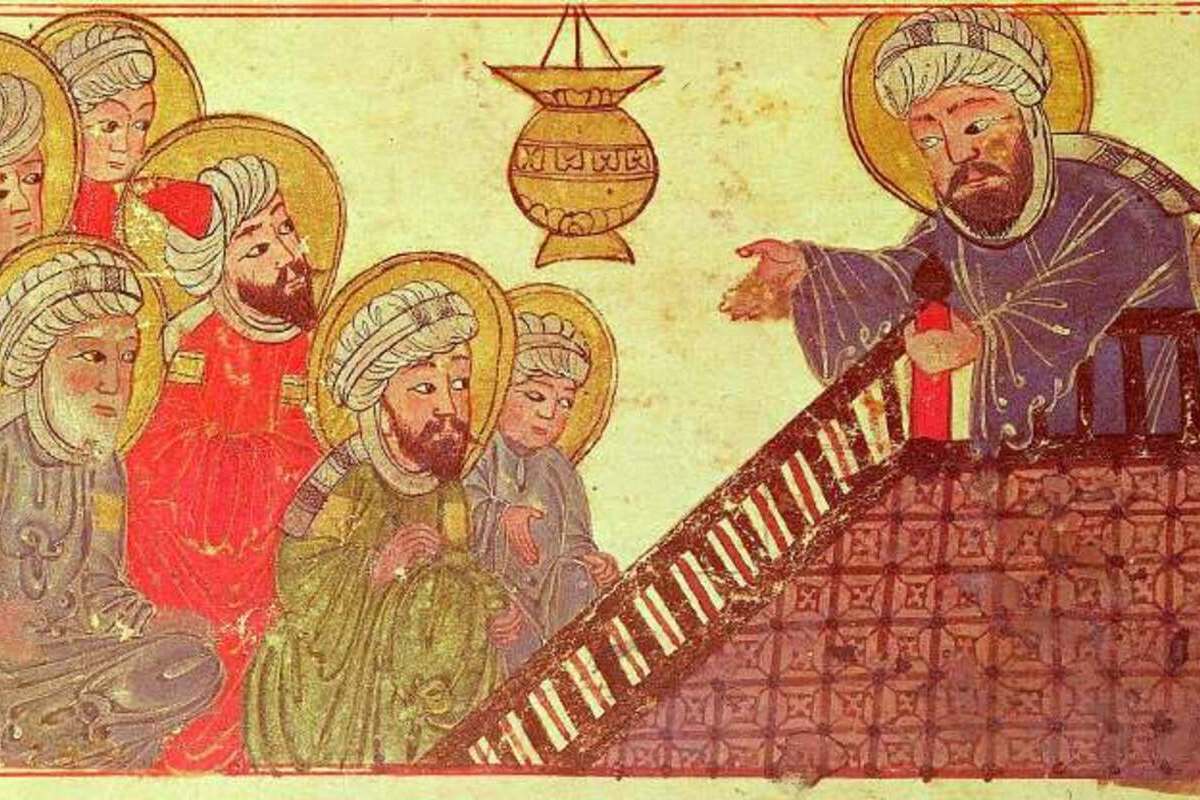
The figure of Muhammad holds profound importance for history, culture, and the spiritual life of millions of people around the world. His life combined religious experience with deep social change and the emergence of a new civilization. Interesting facts about Muhammad help us better understand the era in which he lived and the circumstances that shaped the rise of Islam. Fascinating and surprising facts from his life show how the actions of one person can influence the course of history. You may not know that many of his decisions carried not only religious meaning but also strong social and ethical significance.
- Muhammad was born around the year 570 in the city of Mecca. He belonged to the Quraysh tribe, which played an important role in the trade and religious life of the region. His father died before his birth, and his mother passed away when he was about six years old. As a result, he grew up as an orphan under the care of close relatives.
- During his childhood and youth, Muhammad worked as a shepherd. This occupation was common in Arabia and was seen as a way to develop patience and responsibility. It also allowed him to spend long periods in reflection and observation. These qualities later became evident in his teachings and leadership.
- Even before his prophetic mission, Muhammad was known as an honest and trustworthy man. The people of Mecca often entrusted him with their property and important matters. His reputation was built on fairness and keeping his word. This trust played a significant role when he began to spread his message.
- Muhammad married Khadijah, a wealthy merchant who was older than him. Their marriage was based on mutual respect, loyalty, and support. Khadijah became the first person to believe in his prophetic calling. Her encouragement and faith were especially important during the early and difficult years of his mission.
- According to Islamic tradition, Muhammad received his first revelation in the Cave of Hira. At that time, he often withdrew from society for prayer and contemplation. This experience marked a turning point in his life. From that moment on, he began to publicly proclaim belief in one God.
- In the early years, his message faced strong opposition in Mecca. Many leaders of the city saw his teachings as a threat to established traditions and economic interests. Muhammad and his followers were subjected to pressure and persecution. These hardships eventually forced them to seek safety elsewhere.
- A defining moment in Muhammad’s life was the Hijra, the migration from Mecca to Medina. This event had both religious and political importance. In Medina, he became not only a spiritual guide but also a community leader. The Islamic calendar begins from this historic migration.
- In Medina, Muhammad worked to regulate relations among different tribes and groups. He helped establish agreements that defined rights and responsibilities within the city. These agreements are often viewed as an early form of a social contract. They contributed to peaceful coexistence among diverse communities.
- Muhammad placed great emphasis on social justice. He urged people to care for the poor, orphans, and widows. Acts of charity became a central element of Muslim life. These principles were firmly embedded in Islamic teachings.
- He spoke out against cruelty and injustice that were common in tribal society. Muhammad emphasized the value of human life and personal accountability for one’s actions. Even during times of conflict, he called for adherence to moral standards. This approach was considered progressive for his time.
- The Quran, regarded by Muslims as the word of God, was revealed to Muhammad over many years. The revelations came gradually and were often connected to specific events. At first, the verses were memorized and transmitted orally. Only later were they compiled into a single written text.
- Despite gaining significant influence, Muhammad lived a simple and modest life. He did not seek luxury or personal wealth. His daily life remained humble and restrained. This simplicity reinforced the spiritual values he promoted.
- Muhammad attached great importance to family relationships. He encouraged mutual respect between spouses and care for children. In his teachings, he often highlighted the dignity and rights of women. For the society of his time, these views were notably advanced.
- The final years of Muhammad’s life were marked by the unification of much of the Arabian Peninsula. Many tribes recognized his authority and leadership. He sought to avoid unnecessary bloodshed whenever possible. Numerous regions joined his community through peaceful agreements.
- Muhammad died in the year 632 in the city of Medina. His passing was a great shock to his followers. However, the religious and social foundations he established proved to be remarkably resilient. They shaped the development of the Islamic world for centuries to come.
The life of Muhammad brings together the roles of spiritual guide, reformer, and moral authority. Fascinating facts from his biography show how personal character and historical circumstances can transform societies. Surprising facts allow us to see him not only as a prophet but also as a man of his time. You may not know that his legacy continues to influence culture, law, and ethical thought across the world today.


