
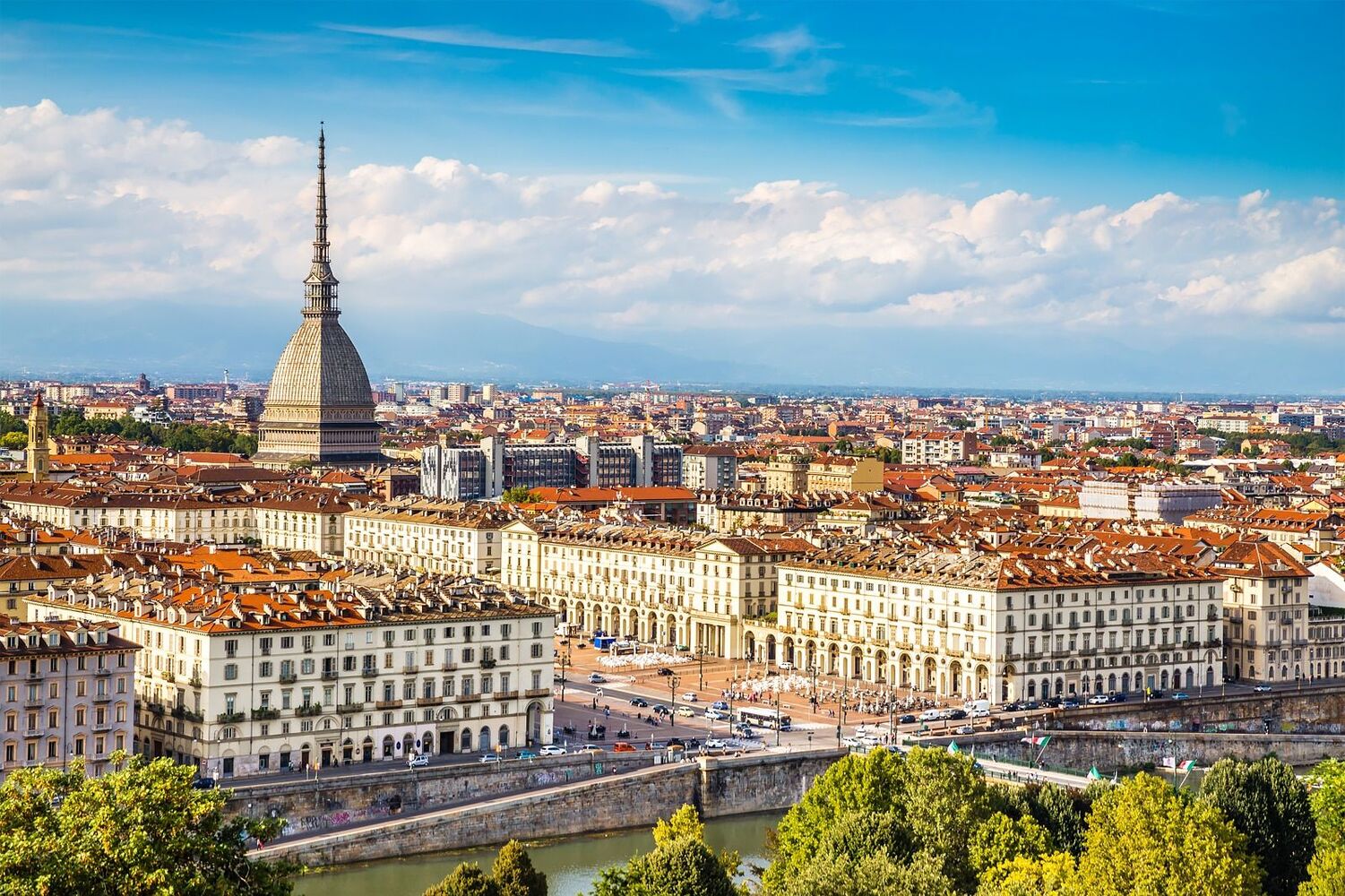
Turin is one of Italy’s most distinguished cities, where royal heritage blends naturally with a modern, dynamic rhythm of life. Its elegant architecture, renowned museums, historic squares and atmospheric streets create a unique urban character. The city hides many fascinating details you might not have known, and each of them reveals another layer of its rich identity. Turin was shaped by different historical periods, giving it depth and individuality. Below is a collection of interesting facts that offers a broader look at this remarkable city.
- Turin was the first capital of unified Italy, which underlines its crucial role in the formation of the modern state. Key political processes that shaped the country’s future took place here. The city became a symbol of national unity and renewal. Architectural landmarks still reflect that important period.
- Turin is famous for its long arcades that stretch for several kilometres. They provide comfortable walking routes regardless of the weather. These arcades have become one of the city’s most recognisable features. They give the historic centre its distinctive architectural style.
- The most iconic structure in the city is the Mole Antonelliana. Initially intended as a religious building, it later took on a secular purpose. For many years, it remained the tallest brick building in Europe. Today it houses the National Museum of Cinema.
- Turin is considered the birthplace of modern chocolate, especially the well-known gianduiotto. Local confectioners created a unique mixture of cocoa and hazelnuts that produced an unforgettable flavour. This invention spread across the world. The chocolate tradition remains an important part of the city’s identity.
- The city played a key role in the development of Italy’s automotive industry, as the Fiat company originated here. The industry gave a powerful boost to Turin’s economic growth. Several iconic car models were designed and produced in the city. Turin continues to be an influential engineering centre.
- The Egyptian Museum in Turin is one of the most important museums dedicated to Ancient Egypt and is second only to the museum in Cairo. It contains thousands of artefacts representing different historical periods. The museum attracts scholars and visitors from around the globe. It is one of the city’s scientific and cultural treasures.
- The city is home to the Turin Shroud, one of the most discussed religious relics in the world. It draws the attention of both believers and researchers. The origin of the shroud remains the subject of numerous debates and studies. It holds a significant place in the spiritual heritage of the city.
- Turin possesses one of the oldest tram networks in Italy. Trams are an essential part of the city’s public transport system. They offer an efficient and environmentally friendly way to move around. The network continues to be modernised to meet current needs.
- The city is an important centre of education and science, as the University of Turin has operated since the thirteenth century. The university has educated many prominent scientists and cultural figures. The academic environment supports research, innovation and intellectual development. Student life gives the city vibrancy and energy.
- Turin’s culinary traditions are rooted in the cuisine of Piedmont. The famous drink bicerin, combining chocolate, coffee and cream, was created here. Local markets offer a wide selection of unique regional products. Gastronomy forms an essential part of Turin’s cultural character.
- The city is often referred to as a centre of magic due to legends and symbolic elements found in its architecture. Some believe Turin lies at the intersection of white and black magical energies. This contributes to its mysterious aura. Certain locations attract those interested in esoteric traditions.
- Valentino Park is one of Turin’s most picturesque green areas. It contains a reconstructed medieval village and several historical buildings. The park is a favourite place for walks and relaxation among residents. It provides a peaceful environment in the heart of the city.
- The Po River flows through Turin and shapes its natural landscape. The river once played an important role in regional trade and communication. Today its banks are popular for leisure and sports activities. The river helps maintain ecological balance within the urban environment.
- One of Europe’s largest markets, Porta Palazzo, is located in Turin. It offers a wide range of local goods as well as products from various parts of the world. The market is a major element of the city’s everyday life. Its lively and colourful atmosphere attracts visitors year-round.
- Turin hosted the 2006 Winter Olympic Games, which had a major impact on its development. The city modernised its transport system and expanded its sports facilities. The event strengthened Turin’s international reputation. The legacy of the Games remains visible to this day.
- Turin is also developing rapidly as a centre of innovation and technology. Research laboratories and entrepreneurial hubs operate throughout the city. New ideas and technological projects drive economic growth. This reinforces Turin’s position as a forward-looking city.
Turin combines historical depth, cultural richness and modern dynamism in a uniquely harmonious way. These interesting facts help reveal the city’s distinctive character and its importance in the history of Italy and Europe. Turin leaves a lasting impression and inspires visitors to return and discover it again from new perspectives.


