
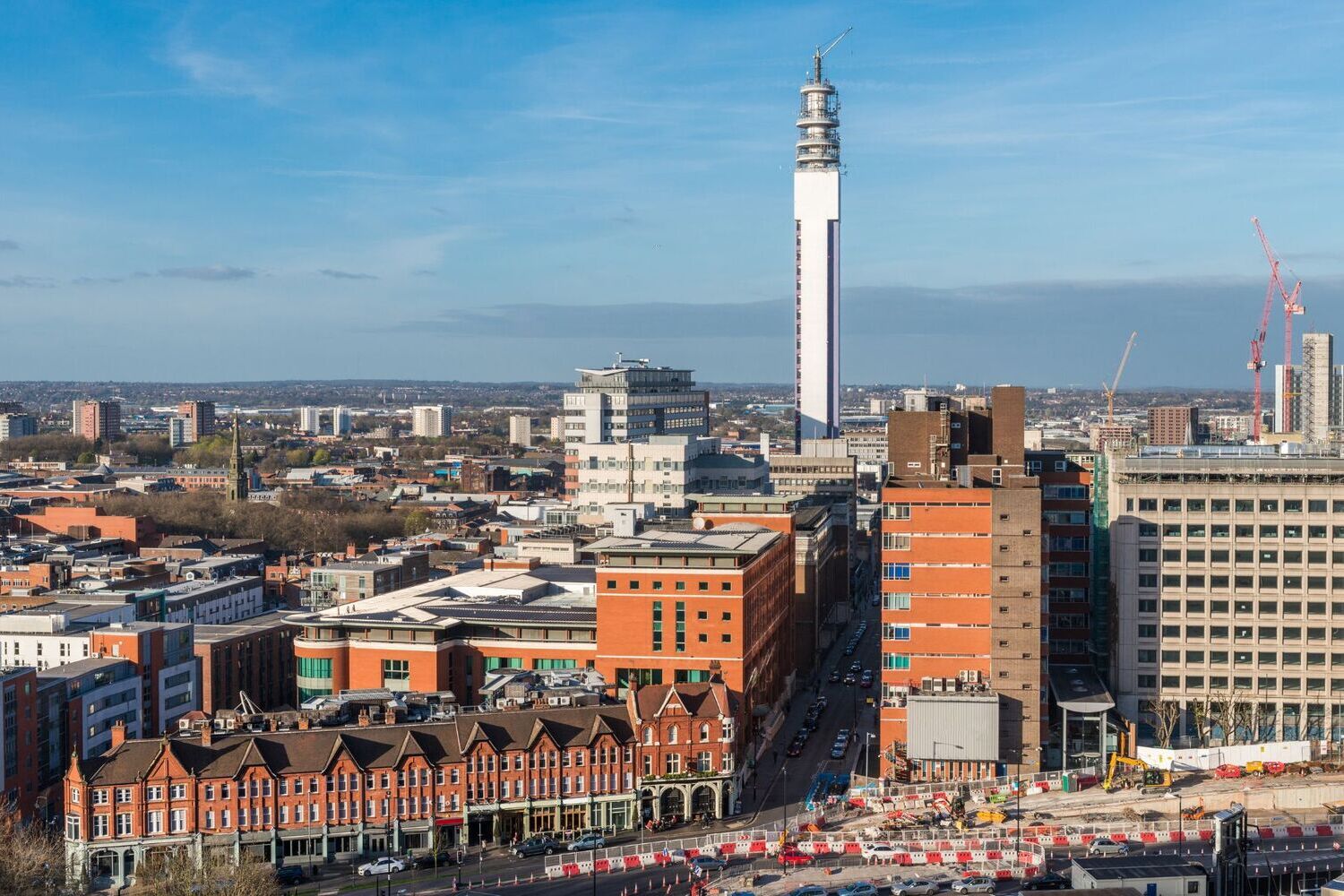
Birmingham is one of the most dynamic cities in the United Kingdom and played a crucial role in shaping the Industrial Revolution. Its history blends strong craft traditions, groundbreaking technological achievements and modern urban development, all of which transformed the city into an important cultural and economic centre. Today Birmingham stands out for its multicultural population, universities, scientific community and creative industries. The city contains many fascinating details you might not have known. Below is a collection of interesting facts that reveal Birmingham from multiple perspectives.
- Birmingham became a key hub of the Industrial Revolution because metallurgy, engineering and tool production developed here at remarkable speed. Factories and workshops multiplied rapidly, turning the city into a centre of technological innovation. Industrial culture strongly influenced the architecture and layout of Birmingham. The economic strength of the region was largely shaped during this era.
- The city earned the nickname city of a thousand trades due to the extraordinary diversity of its working craftsmen. Jewellers, instrument makers and metalworkers produced goods admired across Europe. The craftsmanship tradition strengthened entrepreneurial culture and contributed to the city’s growth. This legacy remains visible in many local industries.
- Birmingham has the largest network of canals in the United Kingdom, longer in total than those of Venice. These canals were built during industrial expansion to transport coal, metal and other essential goods. They served as vital transport routes supporting the city’s industrial economy. Today the canals are scenic walking and leisure areas.
- The city played a major role in the development of the steam engine thanks to the work of James Watt. It was in Birmingham that he improved the design which went on to revolutionise global industry. His partnership with Matthew Boulton accelerated the spread of steam-powered machinery. Their collaboration symbolised scientific and technological progress.
- Birmingham is the centre of Britain’s jewellery production, especially through the growth of the Jewellery Quarter. Hundreds of workshops in this district created jewellery, watches and decorative items of high craftsmanship. The skills and techniques were passed from generation to generation. The district has preserved its historical character to this day.
- The Library of Birmingham is one of the largest libraries in Europe and is notable for its striking modern architecture. It combines public spaces, archives and cultural facilities. The library has become a symbol of the city’s forward-looking development. It attracts tourists, students and researchers alike.
- Birmingham is a significant centre of British music because the heavy metal genre was born here. Bands such as Black Sabbath introduced a completely new musical direction that influenced artists worldwide. The music scene in the city continues to evolve energetically. Birmingham is widely regarded as the spiritual home of heavy metal.
- The city is an important academic hub that attracts students from around the world. Local universities educate future engineers, doctors, scientists and technology experts. Academic institutions inject innovation and youthful energy into the city. Education is one of the strongest foundations of Birmingham’s identity.
- Birmingham is known for its multicultural population, as people from many nations live here together. This diversity shapes the city’s food culture, art scene and social initiatives. Festivals and cultural events take place throughout the year. Multiple traditions blend into a rich urban community.
- The Birmingham Museum and Art Gallery houses outstanding collections of fine and decorative arts. Its Pre-Raphaelite collection is considered one of the most significant in the world. The museum actively supports artistic education and exhibitions. It attracts art lovers and scholars from many countries.
- Villa Park stadium is a historic sports venue and home to one of England’s oldest football clubs. Numerous memorable matches have been played there. Sporting culture remains an important part of everyday life in the city. Football connects generations of Birmingham residents.
- Birmingham was for many decades one of the leading centres of Britain’s automotive industry. Complex and innovative car models were created here, enhancing the region’s technological reputation. The automotive sector contributed to employment and economic growth. This industrial heritage is still reflected in the city’s engineering expertise.
- In the nineteenth century Birmingham became a driving force behind social reforms. Local leaders launched initiatives to improve working conditions, public health and city infrastructure. These reforms helped modernise the city. Their influence extended far beyond Birmingham and shaped national policies.
- The city actively develops green spaces, including large parks and nature reserves. These areas offer residents opportunities for recreation and support ecological balance. Urban greenery improves quality of life. Parks form an important part of the city’s urban planning.
- The City of Birmingham Symphony Orchestra is regarded as one of the finest orchestras in the world. It collaborates with renowned composers and conductors. Its performances enrich the cultural life of the region. The orchestra strengthens Birmingham’s international artistic reputation.
- One of the largest shopping centres in the country is located in Birmingham and plays a major role in the local economy. It hosts a wide range of international brands and entertainment venues. Millions of people visit the centre every year. It is a major destination in the city’s retail landscape.
- Birmingham has long been associated with pioneering scientific developments. Engineers, physicists and inventors working here contributed to many technological breakthroughs. Their ideas helped shape modern industries. The city continues to uphold its status as a strong scientific centre.
- Birmingham is known for its wide variety of festivals celebrating music, art, cuisine and cultural traditions. These events attract tourists and encourage creative exchange. Festivals contribute to the city’s vibrant and diverse cultural atmosphere. They reflect Birmingham’s openness and diversity.
- The city’s advanced transport network makes it an important logistical hub. Birmingham benefits from efficient railway connections and an international airport. This infrastructure supports mobility and economic partnerships. The transport system helps maintain strong links with regions across the UK.
Birmingham is a city where industrial heritage, cultural richness and modern innovation form a distinctive unity. These interesting facts offer a deeper understanding of its significance in the history of the United Kingdom and its influence on the development of science, art and industry. The city leaves the impression of a dynamic and multifaceted place open to progress and new ideas. Birmingham stands as an example of how tradition and modernity can coexist in a natural and inspiring way.


