
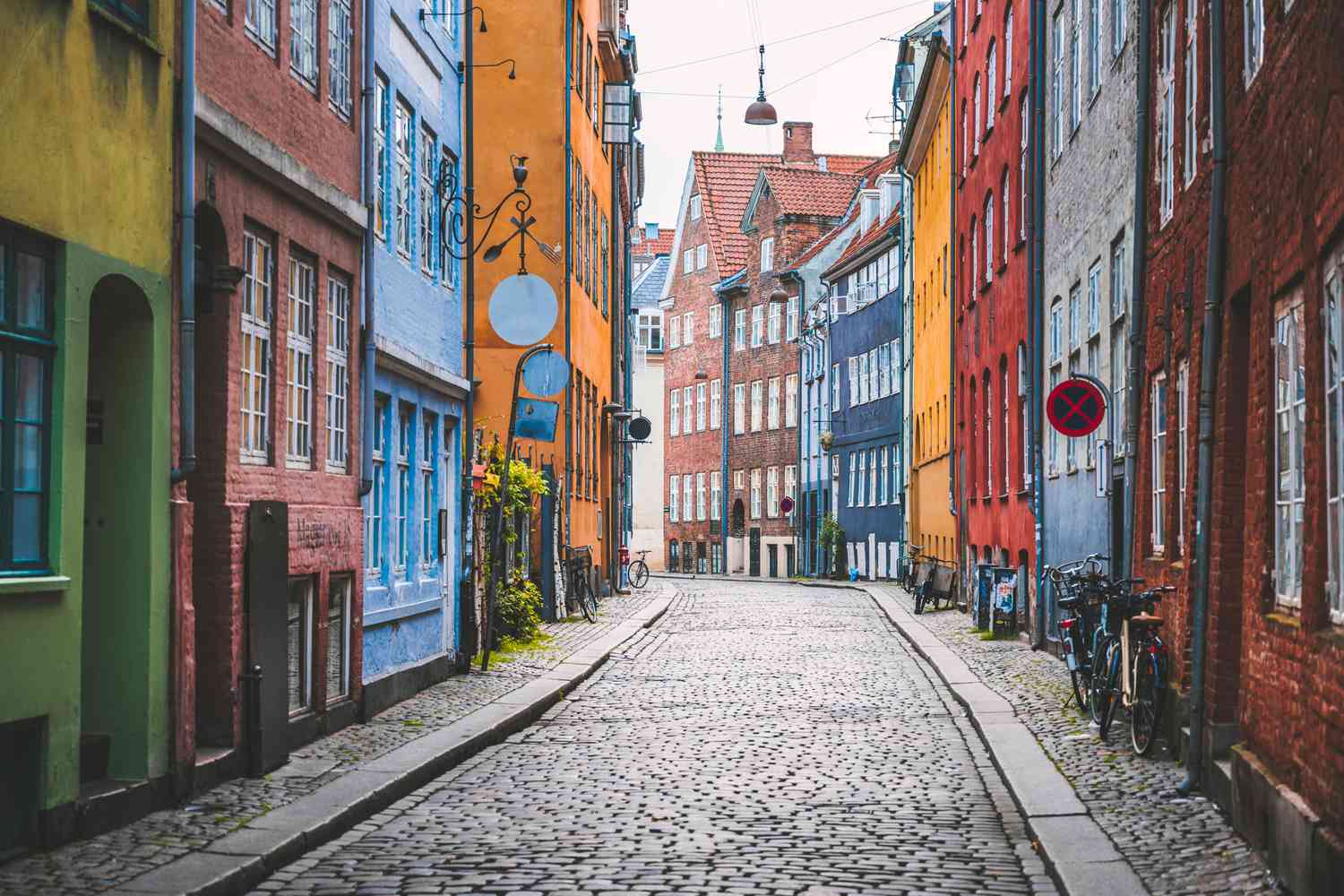
Copenhagen is widely regarded as one of the most harmonious and comfortable cities in the world, where modern architecture stands alongside historic buildings, and everyday life is shaped by the Scandinavian philosophy of simplicity and balance. The city attracts visitors with its calm atmosphere, high quality of life and strong environmental values. Walking through its neighbourhoods reveals a unique blend of tradition and innovation that creates a distinctive urban character. Copenhagen hides many fascinating details you might not know. Below is a collection of interesting facts that provide a deeper understanding of Denmark’s capital.
- Copenhagen originated in the 11th century as a small fishing settlement that gradually developed into an important centre of maritime trade. Its strategic location along major waterways encouraged the arrival of merchants from across Europe. As commerce expanded, the settlement quickly grew in influence. Elements of this early history remain visible in the city’s oldest districts.
- The name of the city derives from an expression referring to merchants by the harbour, reflecting its original commercial purpose. For centuries the harbour served as the main driver of urban development. Markets, workshops and new residential areas formed around it. Today the harbour symbolises the dynamic urban transformation of the city.
- Copenhagen is recognized as one of the world’s most environmentally sustainable cities thanks to its long-term strategies for reducing emissions and protecting natural resources. The city aims to become fully carbon-neutral within the next few decades. Energy-efficient solutions and green projects are integrated into the urban landscape. Environmental awareness is deeply rooted in the daily lives of residents.
- Around half of Copenhagen’s inhabitants use bicycles as their primary mode of transport. The city’s extensive cycling infrastructure guarantees safety and convenience throughout the year. Cycling is quick, practical and aligned with the lifestyle of the local population. It has become an essential part of the city’s cultural identity.
- The famous Nyhavn district is known for its colourful seventeenth-century buildings that line the waterfront. Once a bustling harbour filled with sailors from various parts of the world, it now serves as a popular promenade with restaurants and cafés. Its preserved architecture conveys the spirit of past centuries. Today it is one of Copenhagen’s most photographed locations.
- Tivoli Gardens, opened in 1843, is one of the oldest amusement parks in the world. It combines traditional rides, concerts, theatre performances and evening light displays. Tivoli is beloved not only by tourists but also by local residents. The park remains an integral part of the city’s cultural life.
- The Little Mermaid statue, inspired by Hans Christian Andersen’s famous tale, is one of Denmark’s most iconic landmarks. Positioned on a stone by the water’s edge, it attracts countless visitors. Although modest in size, it holds great cultural significance. The statue symbolises the connection between Copenhagen’s maritime heritage and its literary tradition.
- The University of Copenhagen, founded in the fifteenth century, is one of the oldest institutions of higher education in Northern Europe. It played a major role in the intellectual development of the region. Over the centuries the university has produced many prominent scholars, including Nobel Prize winners. Academic culture remains an important part of the city’s identity.
- Copenhagen’s metro system is fully automated and operates without drivers. The technology enhances safety, punctuality and efficiency. Trains run at very short intervals, allowing smooth travel at any time of day. The metro is considered one of the most advanced in Europe.
- The city’s canals form a distinctive landscape that contributes to Copenhagen’s calm and picturesque atmosphere. Water influences the microclimate and enhances the aesthetic quality of the urban environment. The canals serve as popular spaces for recreation and boat trips. They are an essential element of the city’s historic and cultural identity.
- Freetown Christiania, established in the 1970s, is an autonomous community known for its alternative culture and creative spirit. It operates under its own informal rules and attracts visitors interested in unconventional forms of urban living. Christiania remains one of Copenhagen’s most unusual and debated areas. It reflects the diverse social fabric of the city.
- The National Museum of Denmark holds a rich collection that spans thousands of years of history. Exhibits include artefacts from the Viking Age, medieval objects and displays illustrating the development of Danish culture. The museum serves as a key cultural and educational institution. It preserves the nation’s heritage for future generations.
- Amalienborg Palace is the official residence of the Danish royal family. The complex consists of four identical buildings arranged around a central square. The daily changing of the guard draws the attention of many tourists. The palace stands as a symbol of continuity and royal tradition.
- The Copenhagen Opera House is one of the most modern and expensive opera buildings ever constructed. Its striking design with a dramatically extended roof has become a notable architectural landmark. Situated directly by the water, the building offers a striking view over the harbour. It hosts performances by artists of global renown.
- The city is considered a major centre of New Nordic cuisine, which has gained international acclaim for its innovative techniques and emphasis on local ingredients. Copenhagen’s restaurants often receive prestigious awards for their creativity. Gastronomy has become one of the city’s strongest attractions. Many travellers visit Copenhagen specifically for its culinary experiences.
- The concept of hygge plays a significant role in the everyday lives of Copenhagen’s residents. It emphasises comfort, calmness and the enjoyment of simple pleasures. Cafés, parks and quiet streets contribute to an atmosphere of warmth and relaxation. Hygge is widely regarded as a hallmark of Danish culture.
- The extensive network of cycling paths in Copenhagen stretches for hundreds of kilometres. The infrastructure is designed to ensure safety and ease of movement throughout all seasons. Cycling is a natural and widely accepted part of urban life. Many European cities look to Copenhagen as a model for sustainable mobility.
- Copenhagen is built on several islands connected by bridges and tunnels. This layout creates a harmonious interplay between land and water. The bridges serve as important transport links and architectural features. The geographical setting contributes to the city’s unique beauty.
- The city consistently ranks among the happiest cities in the world due to its high level of social support, safety and overall quality of life. Residents value work-life balance and community wellbeing. This approach fosters a sense of stability and contentment. Denmark’s social model plays a key role in this success.
- Copenhagen has implemented an innovative canal-cleaning system that has made the water so clean that swimming is officially allowed. Designated bathing zones are extremely popular in the summer months. This achievement is a rare example of successful urban water restoration. The cleanliness of the canals is a source of pride for the city.
Copenhagen offers a remarkable blend of history, culture and modern solutions that shape its unique identity. These interesting facts help reveal the depth and diversity of the city’s character. Many visitors may not realise how multifaceted the Danish capital is, but learning about it opens new perspectives on its beauty. Copenhagen remains a place where tradition and progress coexist in natural harmony.


