
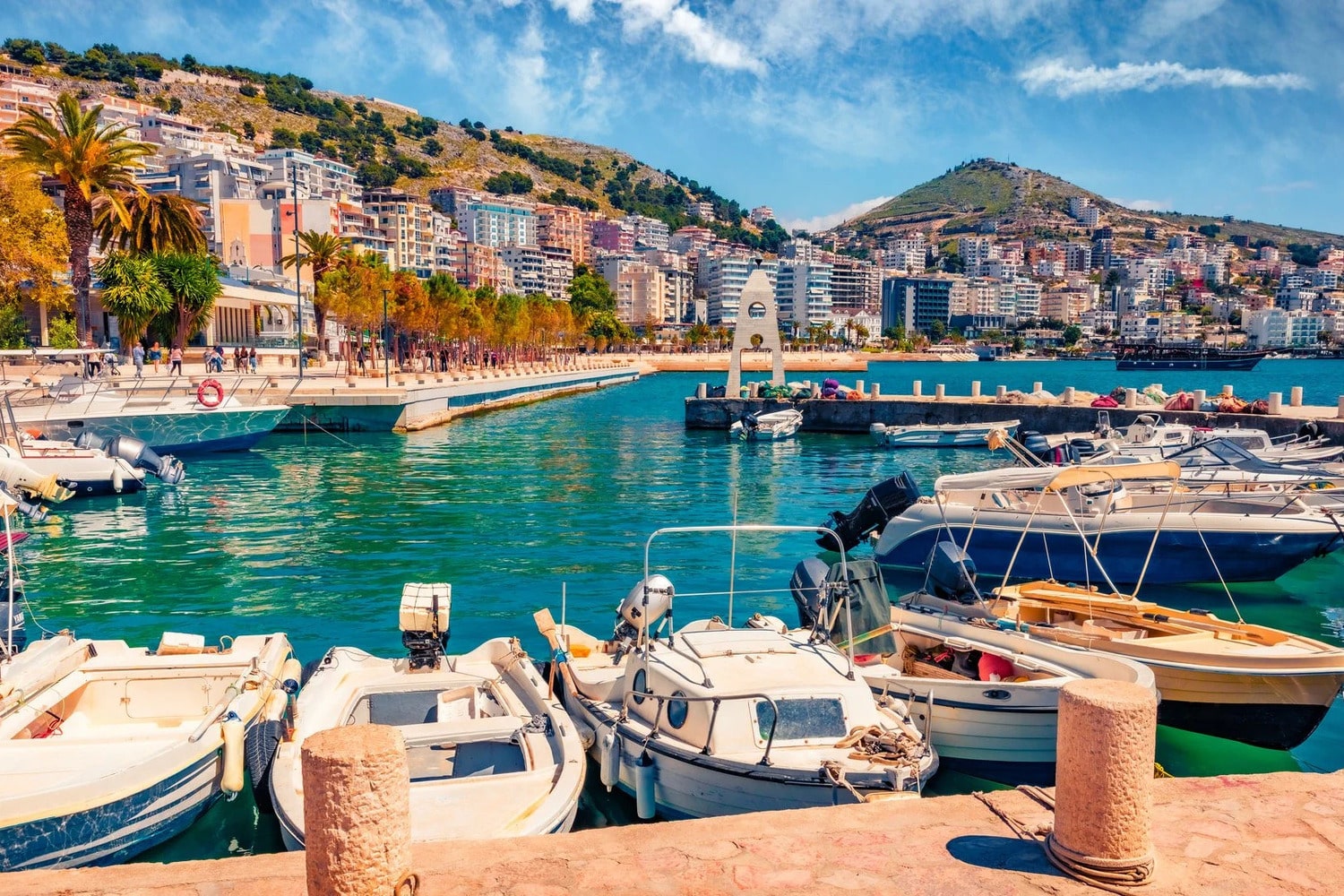
Albania is a country where ancient history, diverse landscapes and deeply rooted traditions blend in a remarkable and harmonious way. Many travellers describe it as one of the most fascinating corners of Europe, as it has preserved much of its authenticity and natural charm. Within a relatively small territory, one can find majestic mountains, emerald coastlines and centuries-old towns with a unique atmosphere. These incredible facts about Albania allow you to see the country from a new perspective and better understand its cultural heritage. Below are captivating facts you may not have known.
- Albanians call their country Shqipëria, which means the land of the eagles. The name comes from an old legend about a boy rescued by an eagle that later became a symbol of strength and freedom. The double-headed eagle on the national flag is one of the most important symbols of the nation. It is also one of the most recognisable emblems of Albania.
- Albania is considered one of the oldest inhabited regions in Europe in terms of ethnic origin. Albanians are believed to be direct descendants of the Illyrians, who lived in this area more than two thousand years ago. Many local traditions and place names are rooted in Illyrian culture. Numerous archaeological discoveries confirm this ancient heritage.
- The Albanian language does not belong to any major European linguistic group. It forms its own independent branch of the Indo-European language family and is not directly related to other languages in the region. This makes it one of the most unique languages in Europe. Its structure and lexicon reflect centuries of cultural influence.
- Albania has access to two seas, the Adriatic and the Ionian. Its coastline stretches for hundreds of kilometres and is famous for turquoise bays, light sandy beaches and exceptionally clear water. Visitors can find both secluded wild spots and popular seaside resorts. Coastal landscapes are among the country’s greatest tourist attractions.
- In southern Albania lies Gjirokastër, known as the stone city. Its houses are built from massive stone blocks and resemble small fortresses. The city is listed as a UNESCO World Heritage Site for its exceptional architectural value. It is one of the best-preserved examples of traditional Balkan architecture.
- In the twentieth century Albania became one of the most isolated countries in the world. During the rule of Enver Hoxha, the state practised strict isolationism and severely restricted contact with foreigners. Almost every aspect of social life was controlled. This period left a strong imprint on the Albanian people.
- Thousands of concrete bunkers built during the Cold War remain scattered throughout the country. They were meant to protect citizens from a supposed invasion, although no real threat existed. These bunkers can be found in mountains, on the coast and even in rural fields. Today many of them are unusual tourist attractions.
- Albania is one of the most mountainous countries in Europe. About three quarters of its territory is covered by mountains, including the Albanian Alps. This unique terrain creates a special climate and makes the country attractive for outdoor enthusiasts. National parks offer scenic trails and breathtaking views.
- In the city of Berat you can see the famous city of a thousand windows. Houses built on the hillside have numerous windows that form a distinctive and visually striking architectural pattern. Berat is also listed as a UNESCO World Heritage Site. It preserves the atmosphere and charm of the Ottoman era.
- Albania once followed an ancient customary law known as the Kanun. Its rules governed many aspects of life, including honour, responsibility and relations between families. Although it is rarely applied today, its influence is still visible in some regions. It is a vivid example of long-lasting cultural traditions.
- Albanians uphold a unique moral code called besa, which means keeping one’s word of honour. A promise given is considered an obligation that must be fulfilled under all circumstances. This principle is deeply rooted in Albanian culture. It builds trust between people and is often mentioned in literature and historical records.
- Albania is home to one of the clearest mountain springs in Europe, known as the Blue Eye. Its water is famous for its deep turquoise colour and incredible transparency. The exact depth of the spring has not yet been determined, which adds a sense of mystery. It is a popular destination for tourists and nature photographers.
- Albanian cuisine blends Mediterranean and Balkan culinary traditions. It features fresh vegetables, seafood, meat and aromatic herbs. Among the most popular dishes are tavë kosi, fërgesë and byrek. The cuisine is known for its simplicity and rich flavours.
- Albania has a centuries-old tradition of olive cultivation and olive oil production. Some of the olive trees in local groves are several hundred years old. Olive oil is one of the essential elements of the Albanian diet. Its quality is recognised and valued beyond the country’s borders.
- The ruins of the ancient city of Butrint, once an important centre of Greek and Roman civilisation, are located in Albania. The site includes a well-preserved theatre, temples and defensive walls. Butrint is listed as a UNESCO World Heritage Site. It is one of the most significant archaeological locations in the Balkans.
These interesting facts about Albania reveal how extraordinary and multifaceted this country truly is. Such remarkable information helps you better understand its natural beauty, cultural roots and historical uniqueness. These fascinating facts inspire a desire to discover Albania firsthand and experience its diversity. The country’s authenticity and scenic landscapes can impress even the most experienced travellers.


