
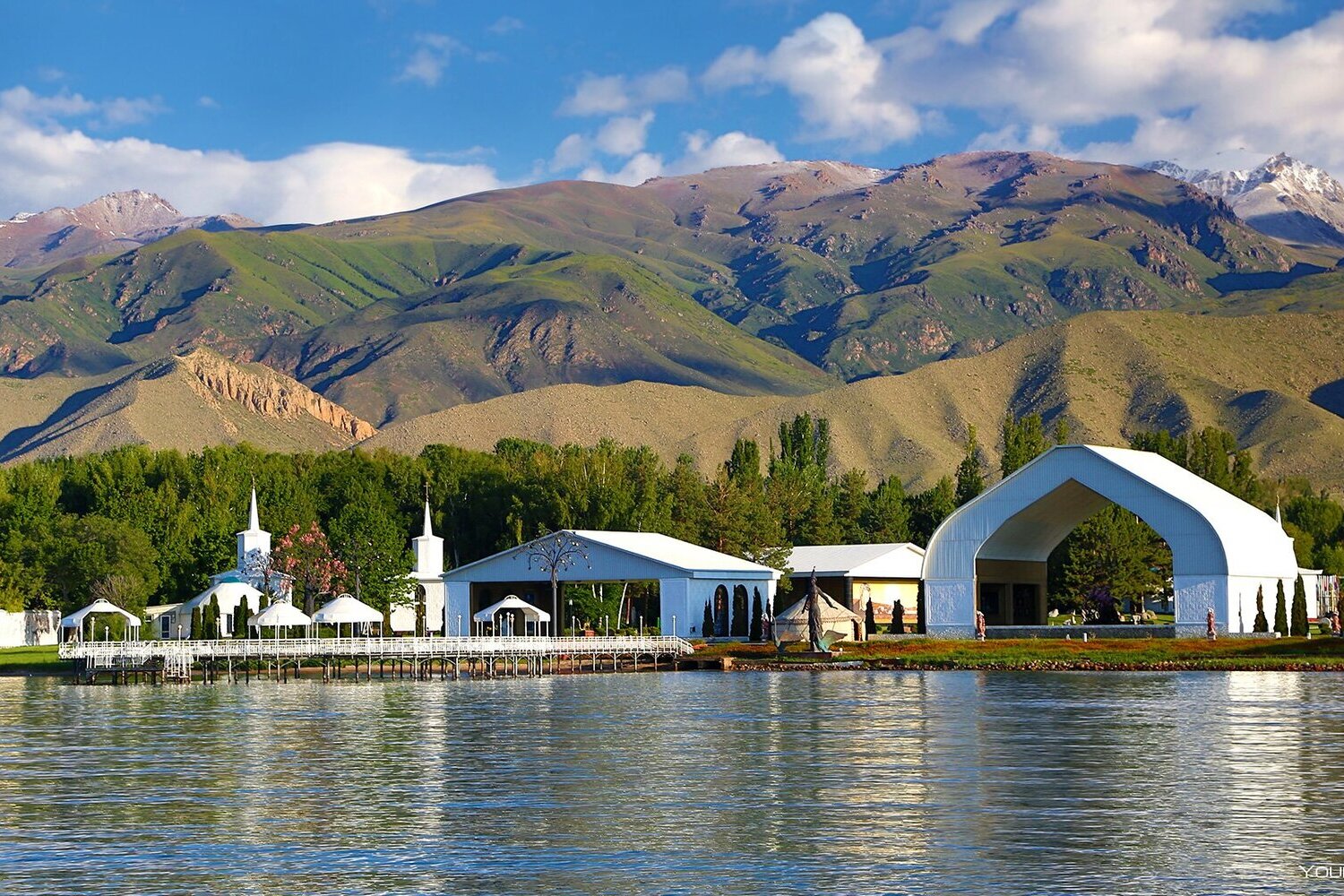
Issyk-Kul has long been regarded as one of the most mysterious natural treasures of Central Asia. It attracts travellers with its striking combination of mountain landscapes, crystal-clear water, and a mild climate that creates a sense of tranquillity. Many secrets lie hidden within the lake and its surroundings, inspiring researchers to continue exploring the region, while its natural beauty makes it one of the most popular tourist destinations. This collection includes interesting facts, some of which you may not have known. Below are fascinating and diverse facts that allow you to see Issyk-Kul from a completely new perspective.
- Issyk-Kul is one of the largest high-altitude lakes in the world, located more than 1600 meters above sea level. Its surface area covers roughly 6230 square kilometres, making it the second-largest mountain lake after Lake Titicaca. The depth exceeds 660 meters, which highlights its impressive scale. These natural parameters contribute to the formation of a unique ecosystem.
- The name Issyk-Kul translates as warm lake because it does not freeze even during cold winter months. This phenomenon is caused by the high mineral content of the water and the great depth of the lake, which prevents ice formation. Despite the harsh mountain climate, the temperature of the water remains above freezing in winter. This unusual behaviour of the lake has attracted scientific interest for many years.
- The lake is surrounded by the Tien Shan mountain ranges, which act as a natural shield against strong winds and create a specific microclimate. Thanks to this natural protection, the shoreline enjoys milder conditions compared to neighbouring regions. The mountains also influence cloud formation and precipitation levels, making the climate around the lake very stable. This combination of mountains and water creates exceptionally picturesque scenery.
- The waters of Issyk-Kul host several endemic fish species that cannot be found anywhere else in the world. The uniqueness of the ecosystem results from the isolation of the lake and its special internal water circulation. Scientists have studied the fauna for decades in an effort to understand the processes that led to the emergence of these species. Such research highlights the importance of protecting the lake’s biodiversity.
- Issyk-Kul contains slightly saline water despite having no direct connection to the sea. Its salinity is explained by the fact that the lake has no outlet, so minerals brought by rivers remain trapped inside. Over thousands of years, the concentration of salts has increased naturally. This affects the chemical and biological properties of the water, giving it exceptional clarity.
- Research confirms that the lake’s floor contains remnants of ancient settlements, some of which may date back to the medieval period. Underwater expeditions have uncovered fragments of walls, household items, and ruins of old structures. Some researchers suggest that these submerged towns may have been associated with the Silk Road. These discoveries make Issyk-Kul an important archaeological site.
- The water in Issyk-Kul is exceptionally clear, and underwater visibility can reach several dozen meters. This clarity results from the low amount of organic matter and the continuous renewal of water layers. The conditions are ideal for diving and underwater exploration. Tourists often remark on the lake’s nearly crystal-like transparency.
- The Issyk-Kul region is one of the sunniest areas in Central Asia, which contributes to its popularity among vacationers. The number of sunny days per year exceeds that of many European resorts. As a result, the warm season lasts from early spring to late autumn. Such favourable weather attracts thousands of visitors annually.
- Numerous health resorts are located along the lake’s shores, using mineral waters and therapeutic mud in their treatments. Issyk-Kul mud is rich in beneficial microelements and is used to treat joint, skin, and nervous system conditions. Local healing traditions rely on a careful combination of natural resources and proven techniques. This has made the region an important centre for wellness tourism.
- Issyk-Kul has a deep cultural heritage reflected in local legends about its origins. Many stories describe submerged cities, tragic events, and mysterious occurrences. These tales are passed down through generations and enrich the cultural identity of the region. Tourists often hear them during cultural excursions and traditional gatherings.
- The lake’s shores play a crucial role for migratory bird species. During seasonal migrations, many birds stop at Issyk-Kul to rest and feed in a safe environment. Birdwatching has become a popular eco-tourism activity. It also helps ornithologists monitor changes in migration routes.
- The Issyk-Kul valley features rich plant diversity, combining steppe and mountain flora. Some plants are adapted to salty and dry conditions and are considered rare. Several species have medicinal properties and are used in traditional remedies. This botanical richness attracts scientists and nature enthusiasts alike.
- The lake holds an important place in Kyrgyz culture, being associated with numerous traditions and celebrations. Along the shores, festivals featuring horse competitions, music, dance, and folk arts are regularly held. These events help preserve regional customs and introduce visitors to the local heritage. They contribute to strengthening the cultural identity of the area.
- The water of Issyk-Kul is known for its striking turquoise colour, which changes depending on the season and weather conditions. On sunny days the lake appears bright and clear, while on cloudy days it takes on a deeper blue tone. This natural phenomenon inspires photographers and artists from around the world. The changing colours emphasise the lake’s beauty and character.
- Geological research is regularly conducted in the Issyk-Kul region. Scientists have determined that the lake’s basin formed as a result of tectonic movements that continue to shape the area today. These studies deepen our understanding of the Earth’s crust and natural processes. The lake remains an important site for geological observation.
- Over fifty rivers and streams flow into Issyk-Kul, yet not a single one flows out of it. This makes the lake a closed hydrological system. The water balance has been forming for thousands of years. Such conditions significantly influence the composition of the water and the development of aquatic life.
- The lake’s coastline features both modern hotels and traditional yurt camps. Travellers can choose comfortable accommodation or an authentic cultural experience in a Kyrgyz yurt. This variety allows visitors to immerse themselves in the spirit of the region and connect with local traditions. Such diversity makes Issyk-Kul an ideal destination for different types of journeys.
Issyk-Kul remains a remarkable place that offers travellers unforgettable impressions and emotional experiences. Its natural beauty and cultural significance form a collection of remarkable facts that broaden understanding of this unique region. Through such fascinating insights, one can better appreciate its role in history and nature. The lake will continue to inspire researchers and travellers who seek to explore the world in all its richness.


