
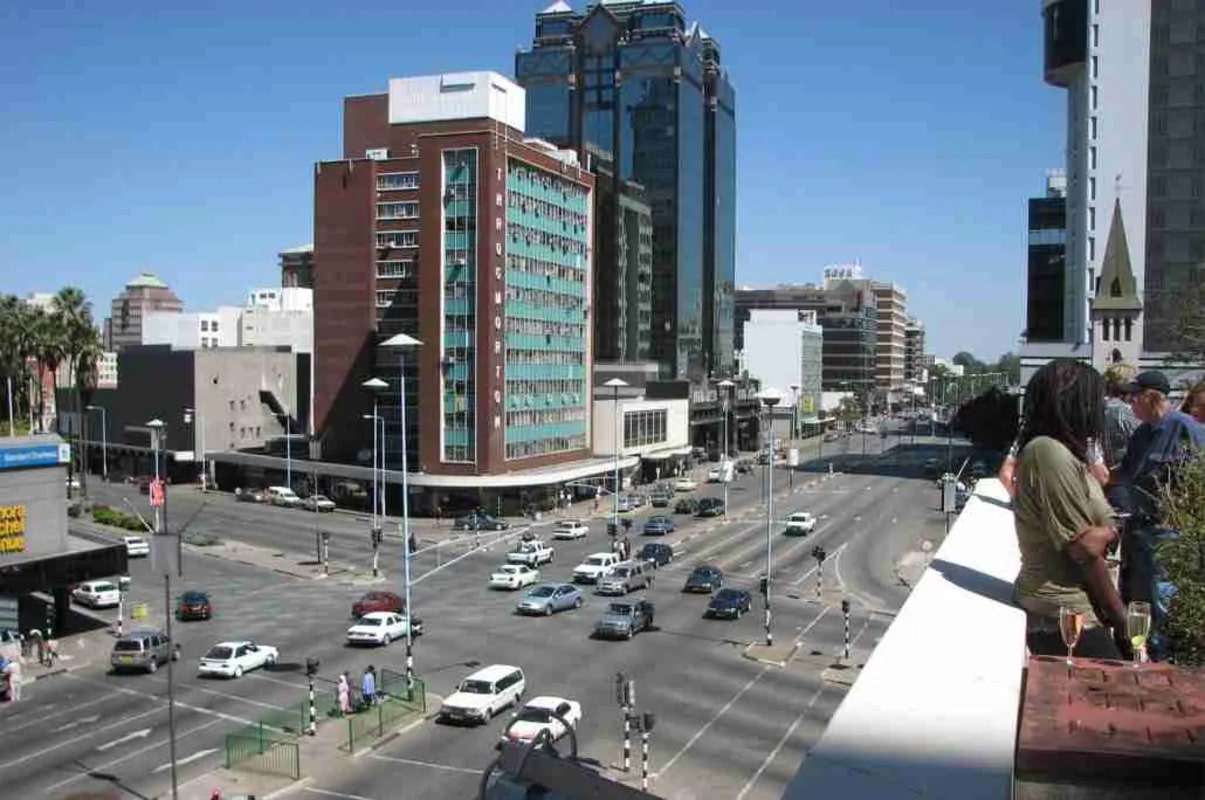
Harare is a vibrant and multifaceted capital of Zimbabwe, where diverse traditions, modern urban life and a strong African identity come together. The city offers a unique blend of culture, nature and history, creating an atmosphere full of contrasts and energy. You might not know that Harare has unusual geographical features, rich biodiversity and many significant historical aspects that helped shape its current character. These interesting facts allow for a deeper understanding of a city that harmoniously combines tradition and modernity. Harare remains one of the most distinctive and fascinating centres in Southern Africa.
- Harare is situated on a plateau at an altitude of around fifteen hundred metres above sea level, which influences its mild subtropical climate. Unlike many African capitals, the city does not experience extreme heat. Even during the hottest periods the elevated terrain provides a pleasant coolness. This makes Harare a comfortable place to live throughout the year.
- The city was founded in the nineteenth century as a colonial settlement and for many years was known as Salisbury. The name was given in honour of the British politician Lord Salisbury, who had influence over the region’s governance. After Zimbabwe gained independence in the 1980s the city was renamed Harare. This change symbolised the revival of national identity.
- Harare is one of the most important cultural centres in Zimbabwe, hosting numerous theatres, museums and art galleries. Festivals dedicated to music, theatre and traditional crafts are held regularly. Local artists actively present their work at exhibitions across the city. This cultural activity strengthens Harare’s role as the artistic heart of the country.
- The city centre is known for its wide avenues, tall buildings and well-maintained parks. Despite rapid development, Harare has preserved many green spaces. Residents often spend time outdoors, relaxing under trees or participating in sports. This balance of nature and urban life creates a pleasant and welcoming environment.
- One of the city’s key natural areas is the Harare Botanical Garden. It contains thousands of plant species native to Africa as well as specimens collected from other continents. Visitors can see rare trees, flowering shrubs and unique examples of flora. The garden plays an important role in the conservation of natural heritage.
- The National Museum of Zimbabwe, located in Harare, houses valuable archaeological and ethnographic collections. Exhibits include artefacts of ancient regional civilisations, traditional ornaments and everyday objects. These displays create a deeper understanding of the culture and history of local communities. The museum is one of the country’s most significant educational institutions.
- One of the most recognisable places in the city is the Mbare market, the largest open-air market in Zimbabwe. It offers handmade crafts, local fruits, spices and traditional items. The market serves as a cultural hub where visitors can observe authentic African craftsmanship. It is popular among both residents and tourists.
- Harare is the economic heart of Zimbabwe, with many major companies and financial institutions located in the city. It plays a key role in agriculture, trade and industry. The tobacco and textile sectors are especially important. This high economic activity contributes significantly to the country’s development.
- The city is also known for its vibrant sports culture and large stadiums. Numerous football matches and cricket events take place in Harare. Sports foster community spirit and help develop the younger generation. The city frequently hosts national and international sporting events.
- The surroundings of Harare include scenic landscapes with granite hills and wide savannas. These areas provide a habitat for diverse species of plants and animals. Antelopes, many bird species and other wildlife can be found in the region. Such natural settings make the area attractive for ecotourism.
- Despite nationwide energy supply issues, the central districts of Harare enjoy relatively stable electricity access. Modernised infrastructure allows businesses and institutions to operate with fewer interruptions. This reliability distinguishes the capital from other parts of the country. Infrastructure stability positively affects the city’s economic and social life.
- Harare is one of the most important transport hubs in Zimbabwe. Major roads connecting the capital with other significant cities pass through it. Bus stations and transport companies maintain regular connections with different regions. As a result, Harare plays a strategic role in the nation’s transportation system.
- Stone carving is a valued art form in Harare and is recognised worldwide. Local artists create expressive sculptures from regional stone, often reflecting the spirituality and traditions of the Shona people. These works have become an important cultural symbol of Zimbabwe. Stone sculpture occupies a special place in the country’s artistic heritage.
- Harare is one of the most dynamic cities in Southern Africa, where various cultures and lifestyles coexist. People from many ethnic groups live here, forming a rich social mosaic. This diversity is reflected in local cuisine, music and creative practices. It gives the city a unique and colourful atmosphere.
These interesting facts about Harare show how the city blends nature, culture and modern life in a harmonious way. You might not know how many fascinating details and hidden stories lie within the Zimbabwean capital. Harare can impress even experienced travellers with its depth, rhythm and distinctive character. It reveals a vivid and memorable side of the African continent.


