
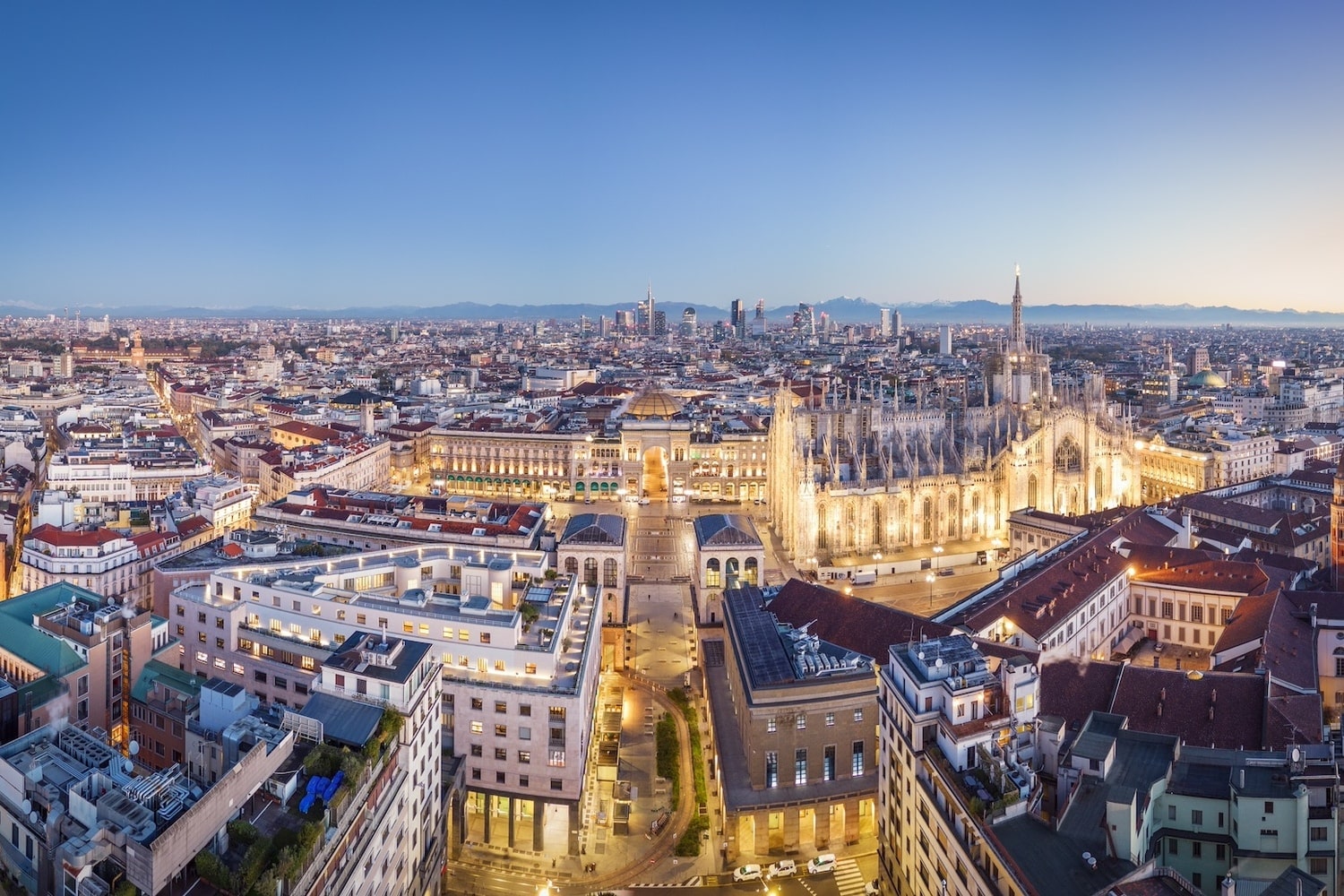
Milan is a city where ancient history meets the rhythm of modern life in a remarkable way. It is known for fashion, architecture, art, and a unique atmosphere that attracts travelers from around the world. Many people think of Milan primarily as a global fashion capital, yet the city holds many more fascinating facts you may not have known. Medieval cathedrals, historic districts, and futuristic skyscrapers stand side by side here, creating a distinctive urban landscape. The following facts will help you better understand the character and uniqueness of this Italian city.
- Milan is considered a global center of fashion. Every year the city hosts Fashion Week, which brings together designers, models and industry professionals from all over the world. Many famous brands such as Armani, Prada and Versace have their headquarters here. Fashion is an essential part of Milan’s cultural identity.
- The main symbol of the city is the Milan Cathedral, known as the Duomo. Its construction lasted more than 500 years, making it one of the largest and most remarkable Gothic churches in Europe. The cathedral is decorated with thousands of statues and spires, creating an impression of stone lace. From its rooftop, there is a spectacular view of the city and the Alps.
- Milan is home to one of Leonardo da Vinci’s most famous works. The Last Supper, his famous fresco, is located in the monastery of Santa Maria delle Grazie. Due to its delicate technique, the fresco has undergone numerous restorations over the centuries. To see it, visitors must reserve their entry far in advance.
- Milan once had a system of canals designed in part with the help of Leonardo da Vinci. The Navigli canals were originally used for transporting goods and supporting local trade. Today the Navigli district is full of stylish cafes, art studios and lively night venues. It is a popular area for both residents and visitors.
- In the 4th century, Milan served as the capital of the Western Roman Empire. This made the city an important political and historical center in Europe. Many archaeological remnants from that era are still hidden beneath modern buildings. Milan maintains a strong connection to its ancient heritage.
- Milan is one of the wealthiest cities in Italy. It is a major financial, business and industrial hub. The Italian Stock Exchange is located here and plays a key role in the national economy. For this reason, Milan is often called the economic capital of Italy.
- La Scala is one of the most famous opera theaters in the world. It opened in the 18th century and hosted the premieres of many renowned operas. Performing at La Scala is considered a pinnacle achievement for opera singers. The theater also has an academy dedicated to training musicians and vocalists.
- The Sforza Castle is one of the largest medieval fortresses in Italy. It was once the residence of the influential Sforza family who ruled the city during the Middle Ages. Today, the castle houses museums and art galleries. It stands as a central cultural landmark in Milan.
- Milanese cuisine has its own traditional dishes. One of the most iconic is risotto alla milanese, made with saffron and famous for its golden color. Another well-known dish is ossobuco, braised veal prepared with vegetables and wine. The local cuisine values delicate flavors and refined taste.
- The tradition of aperitivo is very popular in Milan. In the evening, bars serve drinks accompanied by small snacks, and this has become a customary way to relax and socialize. Aperitivo encourages conversation and strengthens social bonds. It is a key part of daily cultural life in the city.
- Modern architecture is actively evolving in Milan. The Porta Nuova district represents the new face of the city with glass skyscrapers and green building facades. A notable project is Bosco Verticale, or the Vertical Forest, where trees and plants grow directly on residential balconies. It is considered a successful example of blending ecology with urban design.
- Milan has a well-developed public transportation system. The metro, trams and trains allow easy travel within the city and throughout the region. Its strategic location makes Milan an important transportation hub for travel across Italy and Europe. The city combines comfort and the dynamic pace of modern life.
Milan impresses with its diversity, combining history and innovation, elegance and energy. The city preserves its cultural heritage while actively shaping new trends in fashion, art and architecture. It is a place where inspiration can be found at every turn. Milan leaves a lasting impression on everyone who visits it.


