
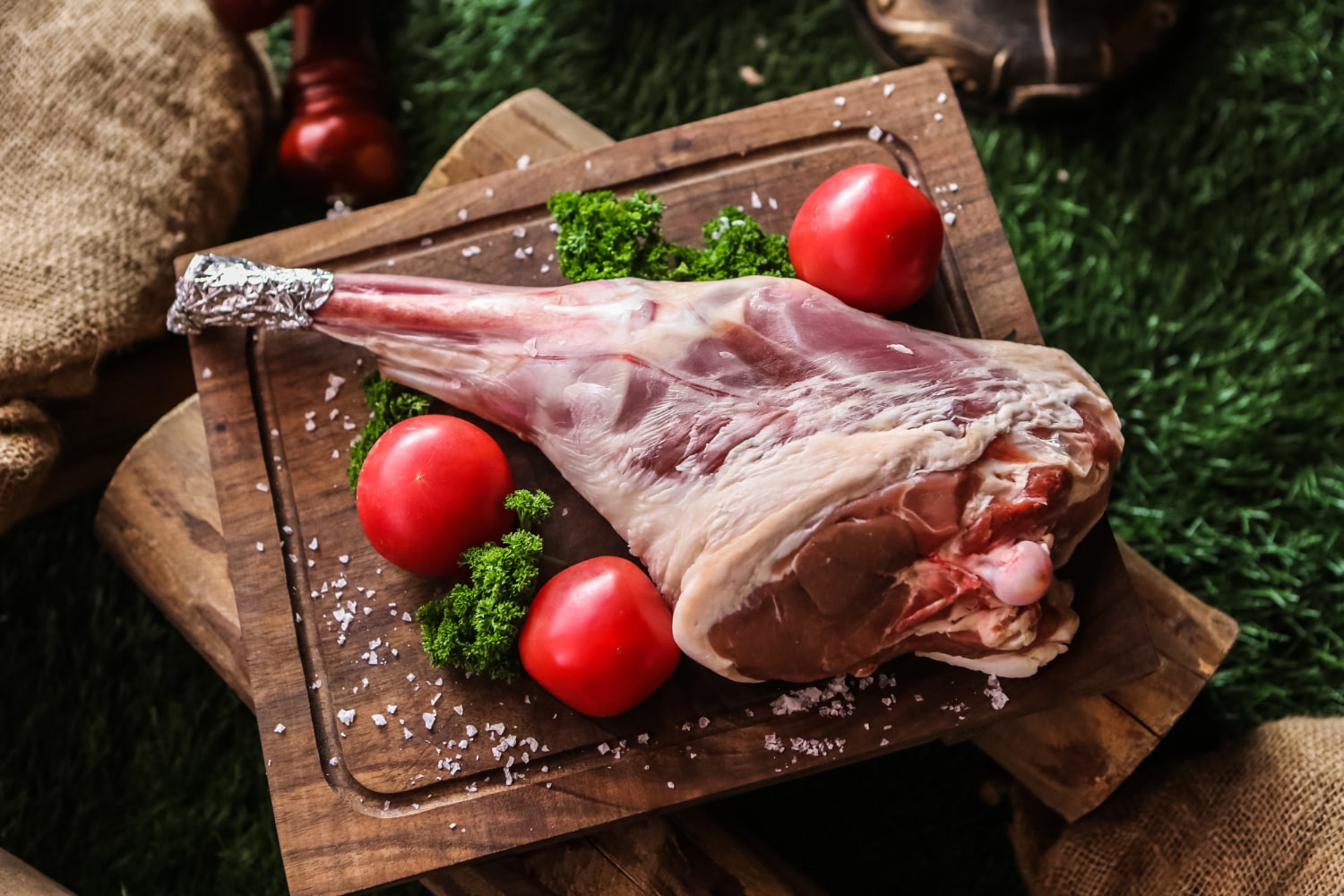
Lamb has long been considered a symbol of abundance and celebration. It is known for its distinctive taste, aroma, and the rich culinary traditions that vary from country to country. This meat is valued not only for its nutritional properties but also for its numerous health benefits. However, lamb has many unique characteristics that are not widely known. Below is a collection of the most interesting and informative facts about lamb that will help you better understand this remarkable product.
- Lamb belongs to the category of red meat and is one of the oldest foods in human history. People began eating sheep meat more than ten thousand years ago. Sheep farming originated in the Middle East and became an important part of nomadic culture.
- The taste and quality of lamb depend on the breed, age, and conditions in which the animal is raised. Meat from young lambs is tender and mild, while older sheep produce a stronger, richer flavor. In gastronomy, lamb under one year of age is considered the most desirable.
- Lamb has a characteristic dark red color due to its high iron content. The color comes from myoglobin, a protein responsible for transporting oxygen in the muscles. It is this compound that gives the meat its rich tone and distinctive appearance.
- Lamb is an excellent source of protein. One hundred grams of lamb contains about twenty-five grams of easily digestible protein. For this reason, it is a great choice for athletes and people who lead an active lifestyle.
- This meat is rich in B vitamins, particularly B12, which supports blood formation and the nervous system. It also contains significant amounts of zinc, phosphorus, and selenium. These trace elements strengthen the immune system and improve the health of skin and hair.
- Compared to pork, lamb contains less saturated fat. Most of its fat is composed of monounsaturated fatty acids, similar to those found in olive oil. This makes lamb one of the healthiest types of red meat.
- An interesting fact is that lamb fat melts at a lower temperature than beef fat, making it easier for the body to digest. In many cultures, it is used not only for cooking but also for medicinal purposes. In folk medicine, lamb fat is believed to help relieve coughs and colds.
- Around the world, lamb holds a special place in national cuisines. It is the primary meat in Central Asia, the Caucasus, the Middle East, and North Africa. From aromatic kebabs to flavorful pilaf, every region has its own traditional recipes.
- In Muslim countries, lamb is regarded as a noble meat and is often eaten during religious celebrations. It is especially popular during Eid al-Adha, when sheep are sacrificed as a symbol of gratitude and generosity.
- Lamb has a distinct aroma caused by specific fatty acids. These compounds give the meat its unique flavor that cannot be confused with any other. The smell can be softened by marinating the meat in vinegar, lemon juice, or yogurt.
- In many cultures, lamb is associated with strength and vitality. It is considered an energizing food that restores power after physical labor. In some regions, broth made from lamb bones is used as a tonic and restorative drink.
- The most tender part of the lamb is the loin, located along the back. This cut is used for famous dishes such as lamb chops and roasted racks. The shoulder is also highly valued for its balance of juiciness and tenderness.
- In modern gastronomy, lamb is often prepared with herbs and spices. It pairs especially well with rosemary, garlic, cumin, mint, coriander, and thyme. These seasonings enhance the natural flavor of the meat and add a rich aroma.
- Sheep that produce lamb meat are typically raised on open pastures. This gives the meat a light, grassy flavor that reflects its natural diet. Because of this, lamb is often considered an environmentally friendly product.
- Lamb is an essential part of many national cuisines. In the United Kingdom, roast lamb is a traditional Sunday meal known as “Sunday roast,” while in France, the famous “Navarin” stew is made from lamb, and in Turkey, kebabs remain a beloved classic. Each recipe reflects the culture and history of its region.
- The structure of lamb meat means it does not require long cooking times. Overcooking can make it tough and dry. For the best results, chefs recommend slow roasting or cooking it over moderate heat to preserve its tenderness.
- Lamb is used not only for main dishes but also for delicacies. In Central Asia, dried and smoked lamb is highly prized, while in Iceland, the traditional dish “hangikjöt” is made by smoking lamb over dried sheep dung. These ancient techniques give the meat a distinctive and unforgettable flavor.
- In some countries, lamb offal — such as liver, heart, and kidneys — is commonly eaten. These organs are fried or added to sausages. Such dishes are considered especially nutritious and rich in essential minerals.
- Another advantage of lamb is that it rarely causes allergies. It is often recommended for children and people with sensitive digestion. Because of this, lamb is viewed as one of the safest meats for a balanced diet.
- Broth made from lamb bones is highly valued for its deep flavor and health benefits. It contains collagen, which supports healthy skin, joints, and hair. In many cultures, lamb broth is served as a restorative and strengthening meal.
- It is not recommended to fry lamb over high heat, as the fat can burn and give the meat a bitter taste. The best method is slow cooking, which keeps the meat juicy and tender. This technique has been known and used since ancient times.
- Lamb pairs perfectly with vegetables such as potatoes, eggplants, carrots, and onions. These combinations create balanced and easily digestible dishes. Mixing lamb with natural ingredients enhances both its flavor and nutritional value.
Lamb is not just a type of meat — it is a part of humanity’s cultural heritage. It combines nutrition, tradition, and culinary diversity. These interesting facts show why lamb holds such a special place among all meats. Its taste, health benefits, and deep-rooted history make it a true treasure of world cuisine.


