
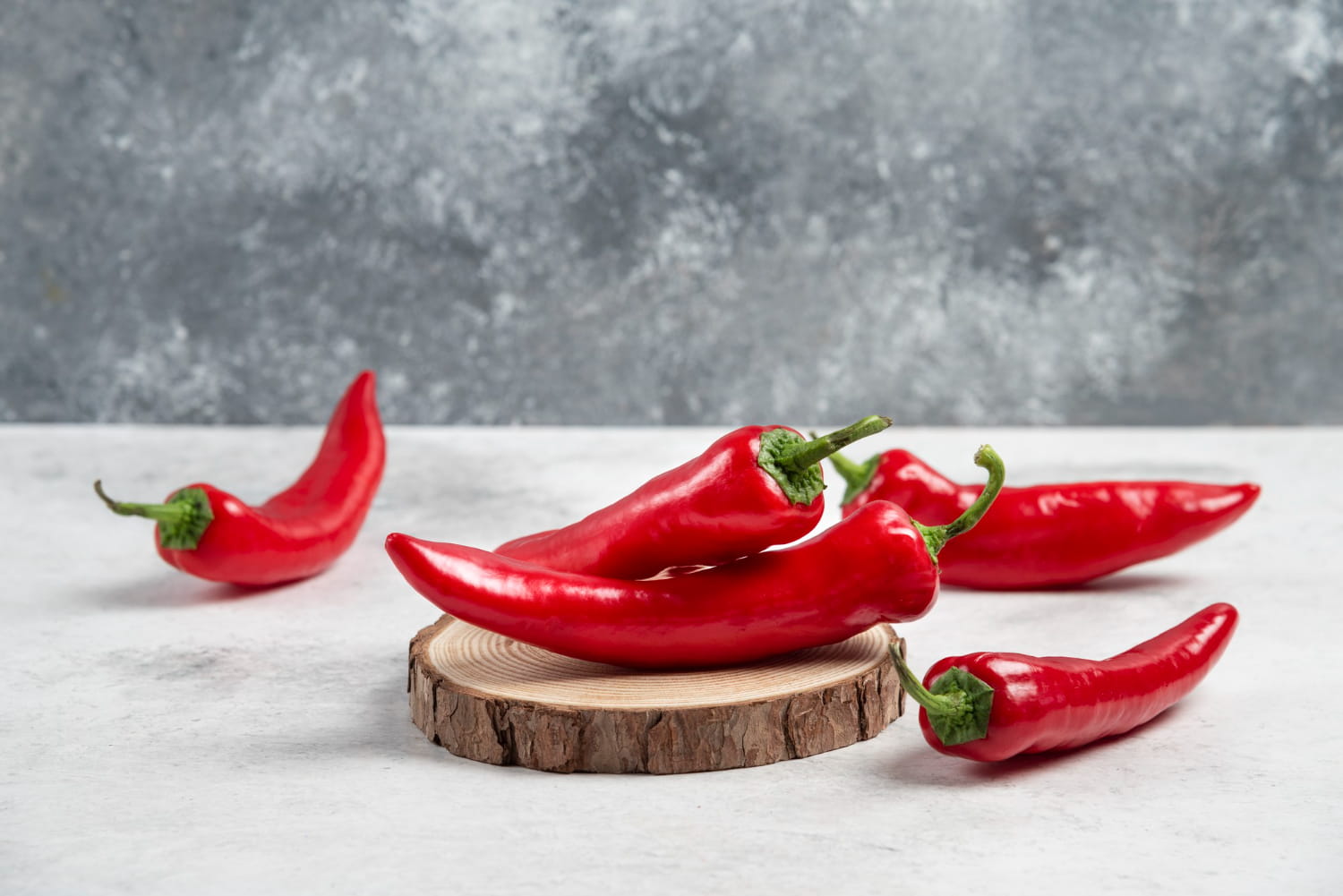
Pepper is one of the most widespread and ancient spices in the world, and it is hard to imagine modern cuisine without it. Its aroma and flavour are familiar to everyone, yet behind this seemingly ordinary seasoning lies a wealth of fascinating facts that can surprise even the most experienced cook. From ancient trade routes to modern medicine, pepper has been leaving its mark on human history for thousands of years. If you think you know everything about this plant, the interesting facts gathered below will certainly make you think again. Get ready to discover far more about pepper than you ever thought possible.
- Black, white and green pepper are all fruits of the same plant, Piper nigrum, simply harvested at different stages of ripeness and processed in different ways. Green pepper consists of unripe fruits, black pepper is obtained by drying unripe berries, and white pepper is made from fully ripened fruits with the outer skin removed. In this way, a single vine can yield three completely different spices, each with its own distinct flavour and aroma.
- Pepper was such a valuable commodity in the Middle Ages that it was used as currency to pay taxes, rent and even ransom for prisoners. When the Visigoths sacked Rome in 410 AD, among their demands was 3,000 pounds of pepper as part of the ransom. The word peppercorn in the English language is still used in the expression peppercorn rent, meaning a symbolically low payment for the use of property.
- The homeland of black pepper is the Malabar Coast in south-western India, where it has been cultivated for more than 4,000 years. The search for a sea route to the sources of pepper and other spices was one of the primary driving forces behind the Age of Discovery. When Vasco da Gama reached India in 1498, he effectively opened a direct route for Europe to access this invaluable commodity.
- The heat of chilli pepper is measured on the Scoville scale, developed by American pharmacist Wilbur Scoville in 1912. The scale measures the concentration of capsaicin, the compound responsible for the burning sensation. Sweet bell pepper scores 0 on the Scoville scale, while the hottest pepper in the world, Pepper X, can exceed 3 million Scoville Heat Units.
- Capsaicin, found in hot peppers, is a powerful natural painkiller and is widely used in pharmacology. It activates pain receptors, but with regular use it depletes the reserves of Substance P, the neurotransmitter that carries pain signals to the brain. This is why creams and patches containing capsaicin are used to treat arthritis, neuralgia and muscle pain.
- Red, yellow and green bell peppers are in fact the same fruit at different stages of ripening, rather than different varieties of plant. Green pepper is the least ripe and has the most grassy flavour, yellow is at an intermediate stage, and red is fully ripe and the sweetest of the three. Because it requires a longer growing period, red bell pepper is generally more expensive than green.
- Pink pepper, despite its name, is not a true pepper and does not belong to the genus Piper at all. It consists of the dried berries of the Brazilian tree Schinus terebinthifolia and is a relative of cashew and mango. Pink pepper has a sweet, slightly fruity aroma and is prized in French cuisine for its decorative appearance and delicate flavour.
- Ancient Egyptians used black pepper in mummification rituals, and peppercorns were discovered in the nostrils of the mummy of Pharaoh Ramesses II. This demonstrates that even in those times, pepper held not only culinary but also spiritual and ceremonial significance. Archaeologists date these findings to approximately 1213 BC.
- Pepper holds a record among spices for its antioxidant content and also contains piperine, a compound that significantly increases the bioavailability of other nutrients. Piperine enhances the absorption of curcumin from turmeric by up to 2,000 per cent, which explains why these two spices are so frequently combined in Ayurvedic medicine. This is precisely why adding black pepper to dishes containing turmeric is not merely a tradition but a scientifically grounded practice.
- Chilli pepper did not appear in Eurasia until after 1492, when Columbus brought it back from the Americas. Before that, the people of Europe, Asia and Africa had no knowledge whatsoever of this plant’s existence. Yet within just a few decades, hot pepper had spread across the entire world and become an indispensable part of cuisines such as Indian, Thai, Hungarian and Korean.
- Hungarian paprika, regarded as a symbol of the national cuisine, is in fact a legacy of the Turkish conquest of the sixteenth and seventeenth centuries. The Turks brought sweet pepper to the Balkans and Central Europe, where it gradually became a cornerstone of Hungarian gastronomy. Today, Hungary produces paprika in eight distinct varieties, ranging from sweet to fiery hot.
- Sichuan pepper, widely used in Chinese cuisine, is in fact the berry of a plant belonging to the rue family and has nothing in common with either black pepper or chilli pepper. Its unique property is to cause a mild numbing and tingling sensation in the mouth, which is linked to the compound hydroxy-alpha-sanshool. It is precisely this sensation, known as ma, that forms the basis of the famous Sichuan concept of ma la, meaning a numbing and spicy flavour.
- Approximately 6 million tonnes of hot chilli pepper are produced worldwide each year, making it the most widely consumed spice on the planet. More than a third of humanity consumes hot pepper in one form or another on a daily basis. The leading producers are China, Mexico and Turkey.
- The aroma of freshly ground black pepper differs considerably from that of pre-ground pepper, because the volatile essential oils evaporate rapidly after the peppercorns are crushed. This is why true food enthusiasts and professional chefs always grind pepper immediately before serving a dish. Whole peppercorns retain their aroma for years, whereas ground pepper loses it within just a few months.
Pepper is a great deal more than a simple seasoning on your table, and the incredible facts drawn from its history prove this beyond any doubt. Over the course of thousands of years, it has served as currency, the object of conquest, a medicine and a spiritual attribute across a wide range of cultures. These captivating facts remind us that even the most everyday objects can conceal remarkable depth, if only we take the time to look more closely. Pepper stands as living proof of how one small plant can alter the course of world history.


